
Get Answers
The Importance of Family Involvement
Family involvement is crucial in recognizing and addressing grooming behaviors. In today's digital age, children are more exposed than ever to online predators. Parents and guardians play a pivotal role in safeguarding their children from potential harm.
By staying alert and informed, families can identify the early signs of grooming. Open communication within the family can lead to the early detection of such behaviors. Involving family members ensures a collective effort towards child safety.
Recognizing Grooming Behaviors
Grooming behaviors can often be subtle and difficult to notice. Predators typically start by building trust with their victims, often appearing kind and understanding. This makes it critical for families to recognize these signs early on.
Family members should be aware of sudden changes in a child's behavior, especially their willingness to keep secrets. Parents should look for signs like excessive time spent online or unusual gifts. Through awareness, families can prevent further exploitation.
Creating an Open Environment
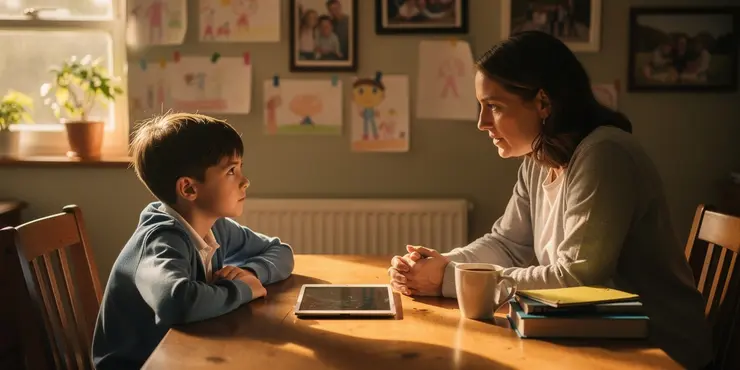
An open and safe family environment encourages children to speak up. Children should feel comfortable discussing their online activities with their parents. This openness allows for timely intervention if grooming behaviors are suspected.
Families can achieve this by having regular discussions about internet safety. Creating a space where children feel heard reduces the risk of grooming. Educating children about boundaries also empowers them to recognize inappropriate behavior.
Resources and Support for Families
Families in the UK have access to numerous resources and support networks. Organizations like the NSPCC offer guidance on recognizing and responding to grooming. These resources are vital in educating families about the dangers of online grooming.
Support networks provide a valuable platform for families to share experiences and advice. They offer reassurance and collective strength in addressing grooming concerns. Utilizing these resources strengthens a family's ability to protect their children.
The Role of Education in Prevention
Education is essential in preventing grooming behaviors from taking hold. Both parents and children benefit from being informed about grooming tactics. Understanding how predators work enables families to take pre-emptive action.
Schools play a crucial role in this educational effort by integrating online safety into their curriculum. Collaborative efforts between families and educational institutions bolster prevention strategies. This comprehensive approach prepares children to safely navigate the online world.
Frequently Asked Questions
Grooming behavior is a tactic used by abusers to manipulate and gain the trust of a victim to facilitate exploitation.
Family involvement is crucial because they can provide support, observe changes in behavior, and notice red flags that the individual may not be aware of.
Families can educate themselves by attending workshops, reading literature on the topic, and consulting professionals who specialize in abuse prevention.
Signs include excessive attention, gift-giving, isolation from family or friends, and violating personal boundaries.
They can start by expressing concern, asking open-ended questions, and showing empathy without judgment.
Families can offer emotional support, listen actively, validate feelings, and seek professional help if needed.
Open and consistent communication helps family members recognize unusual behaviors and share any concerns they might have.
Cultural norms and taboos can impact awareness and willingness to discuss grooming behaviors, making family education and understanding vital.
Yes, families can access helplines, counseling services, online educational resources, and community support groups.
It is never too early. Age-appropriate conversations about boundaries and trust can begin in early childhood.
Monitoring online interactions and maintaining open dialogues about internet safety can help identify potential grooming.
They should approach the situation with care, gather evidence, and seek professional guidance without confronting the suspected abuser directly.
Schools can provide education programs, create safe environments, and collaborate with parents to monitor and address concerns.
Victims might not recognize grooming due to manipulation, emotional attachment, or a lack of awareness about such behaviors.
Yes, vigilance and timely intervention by family members can prevent grooming behaviors from escalating to abuse.
Grooming can lead to trust issues, emotional distress, and strained relationships within the family.
Family values emphasizing openness, trust, and protection can encourage quick recognition and response to grooming behaviors.
Misconceptions like believing grooming only happens in certain environments or that it's always obvious can delay family intervention.
Family counseling can provide a safe space for discussing concerns, rebuilding trust, and developing strategies to prevent future incidents.
Families can maintain open communication, educate children about safety, and regularly engage with them about their interactions both online and offline.

Ergsy Search Results
This website offers general information and is not a substitute for professional advice.
Always seek guidance from qualified professionals.
If you have any medical concerns or need urgent help, contact a healthcare professional or emergency services immediately.
Some of this content was generated with AI assistance. We've done our best to keep it accurate, helpful, and human-friendly.
- Ergsy carefully checks the information in the videos we provide here.
- Videos shown by Youtube after a video has completed, have NOT been reviewed by ERGSY.
- To view, click the arrow in centre of video.
- Most of the videos you find here will have subtitles and/or closed captions available.
- You may need to turn these on, and choose your preferred language.
- Go to the video you'd like to watch.
- If closed captions (CC) are available, settings will be visible on the bottom right of the video player.
- To turn on Captions, click settings.
- To turn off Captions, click settings again.