
Get Answers
Understanding Fatigue and Its Impact on Driving
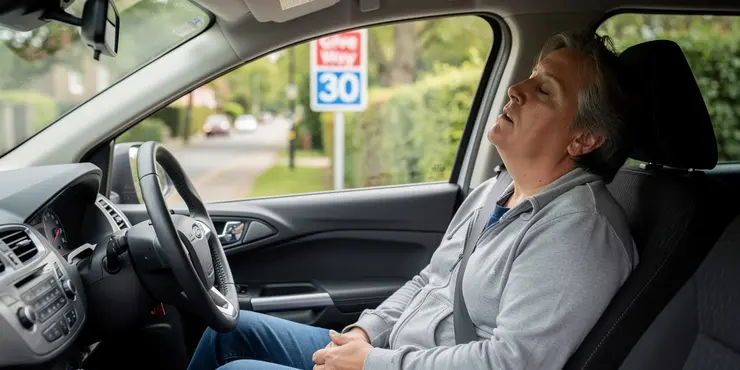
Fatigue is a state of physical and mental exhaustion that can significantly impair a person’s ability to drive safely. In the UK, fatigue-related driving incidents are a serious concern, contributing to a substantial number of road accidents each year. Fatigue affects reaction times, attention, and decision-making, all of which are critical for safe driving. Understanding how fatigue impacts driving can help reduce the risk of accidents.
The Scale of the Problem in the UK
Fatigue is estimated to be a contributing factor in around 20% of road accidents in the UK. This statistic highlights the severity of the issue. Tired drivers are more likely to experience lapses in concentration, slower reaction times, and even microsleeps, which can lead to collisions. The UK government and various road safety organizations have recognized the threat posed by fatigued drivers and continuously work towards raising awareness and improving safety measures.
Signs of Fatigue While Driving
Drivers should be aware of the common signs of fatigue, which include yawning frequently, blinking more than usual, trouble keeping eyes open, difficulty concentrating, missing road signs, or drifting out of the lane. Experiencing any of these symptoms is a clear indication that it is time to take a break. It is recommended to stop every two hours on a long journey and to take a 15-minute rest to combat fatigue.
Preventive Measures and Tips
To prevent fatigue from affecting your driving, it is essential to have adequate rest before embarking on a long journey. Planning your trip to include regular breaks and avoiding driving during typical sleep hours can reduce the likelihood of becoming tired behind the wheel. It is also important to avoid alcohol and medications that cause drowsiness before driving.
The Role of Employers and Legislation
Employers have a responsibility to manage fatigue in their workforce, particularly for professions that involve extensive driving. Implementing policies such as limiting driving hours, promoting safe driving practices, and educating employees about the risks of fatigue can help. UK legislation also mandates that professional drivers adhere to strict driving hours regulations to mitigate the risks associated with fatigue.
Conclusion
Fatigue can indeed result in dangerous driving, posing a risk to the driver, passengers, and other road users. By understanding the risks associated with fatigue, recognizing its signs, and implementing preventive measures, both individuals and employers can contribute to safer roads in the UK. Continuous efforts to raise awareness and educate drivers about the dangers of fatigue are crucial in reducing road accidents and saving lives.
Understanding Tiredness and Its Impact on Driving
Being very tired, or fatigued, means you are really exhausted. This can make driving safely very hard. In the UK, tired drivers cause many car accidents each year. Being tired slows you down, makes it hard to pay attention, and affects your choices, all of which are important to drive safely. If we know how tiredness affects driving, we can try to prevent accidents.
The Size of the Problem in the UK
Experts think tiredness is a factor in about 20 out of every 100 car accidents in the UK. This shows how big the problem is. Tired drivers might not pay attention, react slowly, or even fall asleep for a few seconds, which can cause crashes. The UK government and safety groups are working to let people know how dangerous being a tired driver can be and how to make driving safer.
Signs of Feeling Tired While Driving
Drivers should watch for signs of tiredness like yawning a lot, blinking more, struggling to keep eyes open, losing focus, missing road signs, or going out of their lane. If you notice these signs, it is time to stop. Take a break every two hours when driving long distances, and rest for 15 minutes to feel better.
Tips to Prevent Tiredness When Driving
To stay safe, get enough sleep before driving a long way. Plan your trip with breaks and avoid driving when you usually sleep. Stay away from alcohol and medicines that make you sleepy before you drive.
The Role of Employers and Laws
Employers should help manage tiredness in their workers, especially those who drive a lot. They can do this by setting rules on how long someone can drive, teaching safe driving, and informing workers about tiredness risks. UK laws say that professional drivers must follow strict driving rules to lower the risk of tiredness.
Conclusion
Tiredness can make driving dangerous for the driver, passengers, and others on the road. By knowing the dangers, spotting the signs, and following safety tips, both people and employers can help make roads safer in the UK. It is crucial to keep spreading the word about the dangers of tiredness to cut down on car accidents and save lives.
Frequently Asked Questions
Fatigue is a state of physical or mental exhaustion that can affect your ability to function properly.
Yes, fatigue can significantly impair driving ability, reducing reaction times, attention, and decision-making skills.
Common signs include yawning, heavy eyelids, drifting from your lane, trouble focusing, and missing exits or traffic signs.
Driving while fatigued is dangerous because it can lead to slower reaction times, impaired judgment, and even falling asleep at the wheel.
Research shows that being awake for over 18 hours can impair driving to a level comparable to having a blood alcohol concentration (BAC) of 0.05%.
Driver fatigue can be caused by lack of sleep, long hours behind the wheel, stress, monotonous driving, or medical conditions such as sleep apnea.
To prevent fatigue-related accidents, ensure you get enough rest, take regular breaks during long drives, avoid alcohol or sedatives, and share driving responsibilities if possible.
There is no legal limit for fatigue like there is for alcohol, but drivers can be penalized for dangerous driving behavior caused by fatigue.
Fatigue-related crashes are most common during late night and early morning hours, when the body's natural sleep urge is strong.
Shift workers, long-haul drivers, young drivers, and those with sleep disorders are at higher risk for fatigue-related driving accidents.
If you start feeling fatigued while driving, find a safe place to take a break, have a short nap, or switch drivers if possible.
Caffeine can temporarily increase alertness and delay fatigue, but it is not a substitute for sleep and its effects can vary between individuals.
Sleep deprivation affects driving performance by slowing reaction times, reducing attentiveness, and increasing the likelihood of making errors.
Using cruise control when fatigued is not safe, as it could increase the risk of zoning out and not reacting to sudden changes in traffic conditions.
Recovery time from driver fatigue depends on the individual and the level of fatigue, but generally, a good night's sleep is recommended before driving again.
Boredom can contribute to driver fatigue as monotonous driving conditions may cause a driver to become less alert and more lethargic.
The type of vehicle can affect fatigue; larger vehicles or those with uncomfortable seats may lead to more fatigue on long drives.
Yes, some modern vehicles come equipped with fatigue monitoring systems that alert the driver if signs of fatigue are detected.
Poor quality sleep can contribute to fatigue, affecting your concentration and reaction times when driving, regardless of the number of hours slept.
Microsleep refers to brief moments of sleep that last a few seconds, which can occur without warning, and is extremely dangerous when driving.
Feeling very tired, or 'fatigue,' means your body or brain is worn out. This makes it hard to do things well.
Yes, being very tired can make it hard to drive safely. It can slow down how fast you react, make it hard to pay attention, and make it harder to make good decisions.
Common signs that you are too tired when driving are:
- Yawning a lot.
- Heavy eyes.
- Moving out of your lane.
- Finding it hard to focus.
- Missing exits or traffic signs.
Here are some things that can help:
- Take regular breaks when driving.
- Share driving with someone else if you can.
- Pull over to rest if you feel sleepy.
Driving when you are very tired is not safe. It can make you slow to react, mess up your thinking, and you might even fall asleep while driving.
Studies say that if you stay awake for more than 18 hours, it can make driving unsafe. It's like driving after drinking too much alcohol.
Feeling very tired when driving can happen if you don't sleep enough, drive for a long time, feel stressed, or get bored while driving. Some people feel tired because they have a medical problem like sleep apnea.
To stop getting too tired while driving:
- Make sure you get enough sleep.
- Take breaks often if you drive a long way.
- Don't drink alcohol or take sleep medicine.
- Share the driving if you can.
Here are some tools to help:
- Use an alarm clock to remember breaks.
- Listen to music or audiobooks to stay alert.
- Set reminders on your phone to stop and rest.
There are no rules about how tired you can be like there are for drinking alcohol. But, if you drive badly because you are tired, you can get in trouble.
Car crashes happen a lot when people are too tired. This is most likely late at night and early in the morning, because that's when we feel the most sleepy.
People who work at night, truck drivers who drive long trips, new drivers, and people with sleep problems need to be very careful. They can get tired and have car accidents.
If you feel very tired while driving, find a safe place to stop. You can then take a short nap or ask someone else to drive if they can.
Caffeine helps you stay awake and not feel tired for a short time. But it cannot replace sleep. It affects people in different ways.
Not getting enough sleep makes driving more dangerous. It slows down how fast you can react, makes it hard to pay attention, and makes it easier to make mistakes.
Using cruise control when you are tired is not safe. It could make you stop paying attention and not react quickly if traffic changes suddenly.
How long it takes to rest after feeling tired from driving can be different for everyone. But usually, it is best to have a good night’s sleep before you drive again.
When driving is boring, it can make drivers feel tired. Boring roads make drivers less awake and more sleepy.
The type of car you drive can make you tired. Big cars or cars with seats that are not comfy can make you more tired on long trips.
Yes, some new cars have special systems to see if the driver is getting tired. These systems will let the driver know if they look sleepy.
Bad sleep can make you tired. This makes it hard to focus and react quickly when driving, no matter how long you slept.
If you have trouble with sleep, try these tips:
- Go to bed at the same time every night.
- Make your room dark and quiet.
- Avoid screens before bed.
- Listen to calm music or try deep breathing to relax.
Microsleep means falling asleep for a few seconds without knowing it. This can happen anytime, and it is very dangerous if you are driving.
Here are some ways to help:
- Make sure you get enough sleep at night.
- Take breaks if you feel tired when driving.
- Use a timer to remind you to rest.

Ergsy Search Results
This website offers general information and is not a substitute for professional advice.
Always seek guidance from qualified professionals.
If you have any medical concerns or need urgent help, contact a healthcare professional or emergency services immediately.
Some of this content was generated with AI assistance. We've done our best to keep it accurate, helpful, and human-friendly.
- Ergsy carefully checks the information in the videos we provide here.
- Videos shown by Youtube after a video has completed, have NOT been reviewed by ERGSY.
- To view, click the arrow in centre of video.
- Most of the videos you find here will have subtitles and/or closed captions available.
- You may need to turn these on, and choose your preferred language.
- Go to the video you'd like to watch.
- If closed captions (CC) are available, settings will be visible on the bottom right of the video player.
- To turn on Captions, click settings.
- To turn off Captions, click settings again.