
Get Answers
Introduction
Moving into a care home is a significant transition for many elderly individuals and their families. One of the primary concerns during this transition is whether residents can personalize their living space to feel more at home. Personalization of spaces can significantly impact the well-being and comfort of residents. In the UK, most care homes encourage personal touches to help residents adjust to their new environment.
The Importance of Personalization
Personalizing a living space is crucial for maintaining a sense of identity and autonomy. It allows residents to bring familiar items that evoke memories and provide comfort. By surrounding themselves with personal belongings, residents can create a more homely and comforting atmosphere, reducing feelings of anxiety and enhancing their overall quality of life.
Common Personalization Options
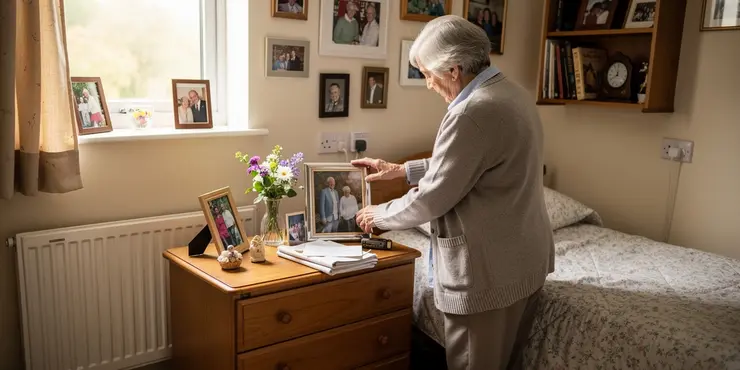
In UK care homes, residents typically have the option to personalize their rooms to varying extents. This often includes bringing personal furniture, such as a favorite chair or small table, and decorating with family photographs, artwork, or cherished memorabilia. Care homes usually provide basic furniture, but many allow residents to supplement or replace these pieces to reflect their personal taste.
Guidelines and Restrictions
While personalization is encouraged, there may be guidelines and restrictions to ensure safety and compliance with care home regulations. For instance, any electrical items brought in might need to undergo safety checks, and larger pieces of furniture must fit within the space without posing a hazard. Some care homes have policies regarding wall decorations and modifications to ensure that any changes made are reversible.
Working with Care Home Staff
Care home staff play a crucial role in facilitating personalization for new residents. Upon moving in, family members typically have the opportunity to discuss personalization preferences with the staff. Staff members can provide advice on what is feasible and help with the arrangement of personal items to ensure a functional and comfortable living environment. It is important for families and residents to communicate openly with staff to achieve the best possible outcome.
The Benefits of Personalization
Allowing residents to personalize their living spaces can lead to a number of positive outcomes. It helps in reducing stress and anxiety associated with the transition, supports mental and emotional well-being, and fosters a sense of ownership over their environment. Personal touches can also serve as conversation starters, enabling residents to connect with staff and other residents over shared stories and interests.
Conclusion
In conclusion, personalization of living spaces in UK care homes is generally supported and encouraged, within certain guidelines. By allowing residents to bring personal items and make their space their own, care homes can enhance the comfort and well-being of their residents. It is an important aspect of care home life that contributes greatly to the residents' sense of belonging and overall happiness.
Introduction
Moving into a care home is a big change for older people and their families. A common question is if people can make their rooms feel like home. Making spaces feel personal is very important. It helps people feel happy and comfortable. In the UK, most care homes let people add personal touches to their rooms.
The Importance of Personalization
Making a space personal is important. It helps people feel like themselves and keep their independence. People can bring items they love, like photos or favorite things. This makes their room feel cozy and reduces worry. It helps them feel better overall.
Common Personalization Options
In UK care homes, people can often decorate their rooms. They might bring things like a favorite chair, table, or family photos. Care homes give basic furniture, but people can add or change items to fit their style.
Guidelines and Restrictions
While making rooms personal is welcome, there are rules to keep everyone safe. For example, electrical items might need safety checks. Big furniture needs to fit in the room and be safe. Some homes have rules about what can go on walls and how to safely change things.
Working with Care Home Staff
Care home staff help new residents personalize their rooms. When someone moves in, families can talk to staff about what they want. Staff give advice and help arrange items. It’s important for families and staff to talk openly to make the rooms as nice as possible.
The Benefits of Personalization
Letting people personalize their spaces has many benefits. It helps reduce stress and worry. It supports mental health and makes people feel good. Personal items can help people start conversations and make friends with staff and other residents by sharing stories.
Conclusion
In summary, making rooms personal in UK care homes is mostly supported if it follows the rules. By bringing personal items, residents can feel more comfortable and happy. This helps them feel they belong and improves their quality of life in the care home.
Frequently Asked Questions
Yes, most care homes allow residents to hang personal photos and artwork to make their spaces feel more like home.
Many care homes allow residents to bring their own furniture, but it depends on the space available and the home's policies.
Typically, care homes have standard colors for walls, but some may allow personalization after discussing with management.
Certain decorations may be restricted for safety reasons, such as those that could pose a fire hazard or obstruct mobility.
Policies on pets vary by care home, but some do allow small pets or have dedicated pet-friendly areas.
Yes, residents are typically encouraged to use their own bedding and linens for comfort and personalization.
Installation of wall hooks or shelves may require permission to ensure safety and avoid damage to the property.
Residents often have flexibility in arranging their room layout, as long as it adheres to safety guidelines.
Residents may be allowed personal electronic devices, but the care home may impose rules regarding energy consumption and safety.
Shared spaces typically have less opportunity for personalization, but residents can often contribute to seasonal or thematic decorations.
Residents can usually play background music in their rooms, but they are advised to keep the volume at a respectful level.
Yes, many care homes allow small plants in resident rooms, but it's best to check for any specific plant-related policies first.
Typically, open flame candles are not allowed for safety reasons, but some care homes may allow electric diffusers.
Permission for small appliances varies and usually depends on electrical capacity and safety regulations.
Many care homes offer staff assistance to help residents choose and arrange decorations or furniture.
Yes, residents are permitted and encouraged to bring in any medical accessories they require.
Some care homes offer personalization services or packages as part of their amenities to enhance resident comfort.
Residents often are encouraged to personalize their door for easy identification and personalization, within certain guidelines.
Significant modifications like painting or construction typically require approval from the care home's management.
Yes, family members are generally welcome to assist with personalizing the living spaces for residents.
Yes, most care homes let people put up their own photos and artwork. This helps their rooms feel more like home.
Some care homes let people bring their own furniture. But, it depends on how much space there is and the home's rules.
Care homes often have regular colors on the walls. Sometimes, they might let you change the color if you talk to the people in charge.
Some decorations might not be allowed to keep everyone safe. For example, things that can catch fire easily or make it hard for people to move around safely might not be used.
Different care homes have different rules about pets. Some care homes let people have small pets, or they have special areas for pets.
Yes, people are usually asked to bring their own sheets and blankets. This helps them feel more comfortable and at home.
Before putting up hooks or shelves on the wall, you might need to ask for permission. This helps to keep everything safe and makes sure the walls are not damaged.
You can change how your room looks. Just make sure it is safe.
People who live in the care home might be able to have their own electronic devices. But the care home can make rules about how much energy the devices use and how safe they are to use.
Shared spaces are areas where everyone can go. People usually can't make these places their own, but they can help put up decorations for different seasons or themes.
People who live here can play quiet music in their rooms. But they should keep the music not too loud.
Yes, lots of care homes let people have small plants in their rooms. But it’s a good idea to ask the care home about their rules first.
Most of the time, care homes do not let people use candles with flames because it can be dangerous. But some care homes might allow electric diffusers instead.
Different places have different rules for using small electric machines. This is because of how much electricity they use and safety rules.
A lot of care homes have people who can help you pick and set up decorations or furniture.
Yes, people who live here can bring the medical things they need. We think it's a good idea to do this.
Some care homes give special services to make people feel more at home. This helps everyone be more comfy.
People who live here are often told to decorate their doors. This helps others know who lives there. You can make your door special, but there are some rules to follow.
If you want to make big changes, like painting or building something, you usually need to get permission from the people who run the care home.
Yes, family can help make the rooms look nice for people who live there.

Ergsy Search Results
This website offers general information and is not a substitute for professional advice.
Always seek guidance from qualified professionals.
If you have any medical concerns or need urgent help, contact a healthcare professional or emergency services immediately.
Some of this content was generated with AI assistance. We've done our best to keep it accurate, helpful, and human-friendly.
- Ergsy carefully checks the information in the videos we provide here.
- Videos shown by Youtube after a video has completed, have NOT been reviewed by ERGSY.
- To view, click the arrow in centre of video.
- Most of the videos you find here will have subtitles and/or closed captions available.
- You may need to turn these on, and choose your preferred language.
- Go to the video you'd like to watch.
- If closed captions (CC) are available, settings will be visible on the bottom right of the video player.
- To turn on Captions, click settings.
- To turn off Captions, click settings again.