
Get Answers
Introduction to Sunbed Tanning
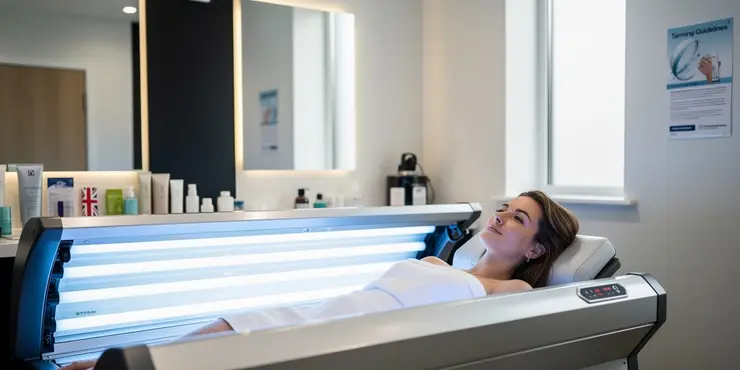
Sunbed tanning is a popular way to achieve a bronzed look without exposure to natural sunlight. Many people believe that tanning can boost their mood. This belief often stems from the fact that exposure to UV light can influence certain hormones.
Sunbeds are available in many salons across the UK. They appeal particularly to those looking for a quick tan, especially during the gloomy winter months. But does tanning really improve your mood?
The Science Behind UV Light and Mood
Exposure to UV light can cause the body to release endorphins. Endorphins are chemicals that can create feelings of pleasure and happiness. This is one reason some people feel better after using a sunbed.
UV light also helps in the production of vitamin D. Adequate vitamin D levels are associated with improved mood and mental health. However, most sunbeds emit UVA light, which is less effective for vitamin D production compared to UVB light.
Potential Risks of Sunbed Use
Despite the potential mood benefits, using sunbeds can pose significant risks. The primary concern is the increased risk of skin cancer from UV exposure. Regular use of sunbeds can significantly heighten the risk of melanoma.
Moreover, sunbeds can cause premature skin ageing and damage over time. This can result in wrinkles and skin discolouration. It's essential to weigh these risks against the potential mood benefits.
Psychological Considerations
For some, tanning becomes a habit due to the temporary boost in mood. This can lead to a dependency similar to addiction. Constantly seeking this mood lift from tanning could mask underlying issues.
Those with mood disorders should consider other forms of therapy. Non-UV options, such as light therapy, might provide a safer mood enhancement. Consulting with health professionals is recommended for persistent mood issues.
Alternative Mood-Boosting Strategies
There are safer alternatives for improving mood without the risks of UV exposure. Engaging in regular physical activity is a well-known method to boost mood. Exercise stimulates endorphin production and increases overall well-being.
Consuming foods rich in omega-3 fatty acids, such as fish, can also enhance mood. Likewise, ensuring adequate sleep and managing stress levels are crucial. Opting for these approaches can contribute to a more balanced mental health strategy.
Conclusion
While sunbeds might offer a temporary mood lift, the risks often outweigh the benefits. With alternatives available, seeking safer methods is advisable. Prioritising long-term health over short-term gains is essential.
Understanding the full impact of sunbed use is crucial. Consulting with health professionals can guide better choices for both mood and health. Weigh your options carefully when considering sunbed tanning.
Frequently Asked Questions
Some people believe that tanning on sunbeds can improve mood by mimicking exposure to sunlight, which is known to increase serotonin levels. However, the risks often outweigh the potential benefits.
There is limited scientific evidence that suggests exposure to UV light could affect mood, but sunbeds are not recommended due to the health risks involved.
UV light exposure can increase serotonin production, a neurotransmitter thought to influence mood, but the health risks of artificial UV exposure generally surpass the benefits.
No, sunbeds are not recommended for treating SAD. Light therapy using full-spectrum light boxes is the safer and more effective recommendation.
Using sunbeds increases the risk of skin cancer, premature skin aging, and eye damage among other health issues.
Yes, spending time outdoors in natural sunlight and using light therapy boxes are safer alternatives to improve mood through light exposure.
Yes, some individuals may develop a dependence on tanning, often referred to as 'tanorexia,' due to the endorphin release from UV exposure.
While Vitamin D is linked to mood improvements, the amount produced during sunbed tanning may not justify the risks compared to safer Vitamin D sources like supplements or natural sunlight.
Alternatives include regular exercise, a healthy diet, quality sleep, social interactions, light therapy, and consulting mental health professionals.
Yes, any mood enhancement from endorphins or serotonin could be temporary, while health risks accumulate over time with prolonged use.
You can increase serotonin levels safely through regular exercise, a balanced diet rich in tryptophan, exposure to natural sunlight, and stress-reducing activities.
Yes, the feeling of relaxation and warmth from tanning sessions may contribute psychologically to perceived mood enhancements.
No, dermatologists do not recommend sunbeds due to the significant risks of skin cancer and other health issues without sufficient mood benefits.
Natural sunlight stimulates the production of serotonin, which can enhance mood, as well as Vitamin D, which has mood-stabilizing properties.
The warmth and perceived glow from tanning, along with the release of endorphins, might provide short-term mood improvement.
Overreliance on sunbeds for mood may neglect underlying mental health issues, potentially worsening conditions like depression or anxiety.
Yes, even occasional sunbed use can increase the risk of melanoma and other skin cancers over time.
Organizations such as the World Health Organization (WHO), American Academy of Dermatology (AAD), and the Skin Cancer Foundation advise against sunbed use.
There is no evidence supporting long-term mental health benefits from tanning, and the practice poses substantial health risks.
Yes, the temporary psychological uplift from tanning can become addictive, encouraging repeated use despite known dangers.

Ergsy Search Results
This website offers general information and is not a substitute for professional advice.
Always seek guidance from qualified professionals.
If you have any medical concerns or need urgent help, contact a healthcare professional or emergency services immediately.
Some of this content was generated with AI assistance. We've done our best to keep it accurate, helpful, and human-friendly.
- Ergsy carefully checks the information in the videos we provide here.
- Videos shown by Youtube after a video has completed, have NOT been reviewed by ERGSY.
- To view, click the arrow in centre of video.
- Most of the videos you find here will have subtitles and/or closed captions available.
- You may need to turn these on, and choose your preferred language.
- Go to the video you'd like to watch.
- If closed captions (CC) are available, settings will be visible on the bottom right of the video player.
- To turn on Captions, click settings.
- To turn off Captions, click settings again.