
Get Answers
Understanding BPH and Its Impact
Benign Prostatic Hyperplasia (BPH) is a common condition affecting men as they age. It involves the enlargement of the prostate gland, which can lead to uncomfortable urinary symptoms. These symptoms may include frequent urination, a weak urine stream, difficulty starting urination, and the feeling of not completely emptying the bladder. While medical treatments are available, many men seek lifestyle changes to alleviate these symptoms. This approach can be particularly appealing for those looking to minimise medication use or delay more invasive procedures.
Dietary Adjustments
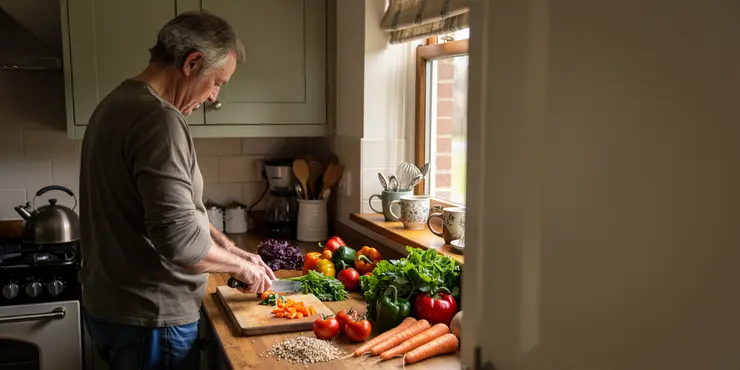
One of the primary lifestyle changes that can help manage BPH symptoms is modifying one’s diet. Reducing the intake of caffeine and alcohol, which can irritate the bladder and increase urinary frequency, may prove helpful. Incorporating a diet rich in fruits, vegetables, and healthy fats can also be beneficial. Foods high in antioxidants, such as berries and greens, alongside omega-3 fatty acids found in fish like salmon, contribute to overall prostate health.
Exercise and Physical Activity
Engaging in regular physical activity is another effective way to manage BPH symptoms. Exercise, particularly aerobic exercises such as walking, cycling, or swimming, can help improve bladder function and reduce symptoms. Regular physical activity can also assist in maintaining a healthy weight, which is important as obesity can exacerbate BPH symptoms. Moreover, pelvic floor exercises, or Kegel exercises, can strengthen the muscles around the bladder and improve urinary control.
Fluid Management
Managing fluid intake plays a crucial role in reducing BPH symptoms. Men affected by BPH are advised to monitor their fluid consumption, particularly in the evening, to reduce nighttime urination. Spacing out fluid intake throughout the day, rather than consuming large amounts at once, can help manage symptoms more effectively. Additionally, opting for non-caffeinated and non-carbonated fluids can prevent bladder irritation.
Stress Reduction Techniques
Stress and anxiety can aggravate BPH symptoms by increasing the frequency of urination. Implementing stress management techniques such as mindfulness, yoga, or meditation can be beneficial. These practices not only reduce stress but also promote relaxation, which can help in managing urinary symptoms associated with BPH.
Consulting Healthcare Professionals
While lifestyle changes can significantly impact the management of BPH symptoms, it is crucial to keep in mind that they are complementary to professional medical advice. Consulting with healthcare providers ensures that men receive comprehensive care tailored to their specific needs. Regular check-ups and discussions with a GP or urologist can help monitor the condition and adapt lifestyle strategies accordingly.
Understanding BPH and Its Impact
BPH stands for Benign Prostatic Hyperplasia. It is common in men as they get older. It means the prostate gland gets bigger. This can make it hard to pee. You might need to pee a lot, have a slow stream, or feel like your bladder isn't empty. Doctors can help with medicine, but some men try to change their habits first. This is because they might want to avoid taking medicine or having surgery.
Dietary Adjustments
Changing what you eat can help with BPH symptoms. Try to drink less caffeine and alcohol because they can make you pee more. Eating fruits, vegetables, and healthy fats is good. Foods like berries, greens, and fish such as salmon are healthy for the prostate.
Exercise and Physical Activity
Being active is good for BPH. Exercise like walking, cycling, or swimming can help your bladder work better. It can also help you stay at a healthy weight. Being overweight can make BPH worse. You can also do exercises called Kegel exercises. These make the muscles around your bladder stronger and help you control peeing better.
Fluid Management
Watching how much you drink is important for BPH. Try not to drink a lot in the evening to avoid getting up at night to pee. Spread your drinks out during the day. Drinking non-caffeinated and non-carbonated fluids is better for your bladder because they don’t irritate it.
Stress Reduction Techniques
Feeling stressed can make BPH worse. It can make you pee more often. Try things like mindfulness, yoga, or meditation to feel calmer. These can help you relax and manage your symptoms better.
Consulting Healthcare Professionals
It's important to talk to a doctor about BPH. Lifestyle changes help but always follow medical advice too. Doctors can give you care tailored to your needs. Regular visits with them can help you manage BPH better.
Frequently Asked Questions
BPH stands for Benign Prostatic Hyperplasia, which is a non-cancerous enlargement of the prostate gland common in older men.
Yes, lifestyle changes can help manage BPH symptoms and improve quality of life for many individuals.
Common symptoms include frequent urination, difficulty starting urination, weak urine stream, and needing to urinate at night.
A healthy diet rich in fruits, vegetables, and whole grains can improve overall health and may help manage BPH symptoms.
Reducing caffeine, alcohol, and spicy foods can help minimize BPH symptoms.
While staying hydrated is important, reducing fluid intake in the evening can help reduce nighttime urination.
Yes, regular physical activity can improve overall health and may help reduce BPH symptoms.
Aerobic exercises, such as walking or swimming, and pelvic floor exercises may be beneficial.
Maintaining a healthy weight can help reduce pressure on the bladder and improve BPH symptoms.
Yes, reducing stress through relaxation techniques can help reduce the severity of BPH symptoms.
Some people find relief in supplements such as saw palmetto, but it's important to consult a healthcare provider before starting any supplement.
Yes, consult with your doctor to ensure current medications do not aggravate BPH symptoms.
Avoiding irritants like caffeine, alcohol, and acidic foods can help reduce bladder irritation and associated symptoms.
Yes, regular bathroom trips can help minimize urgency and frequency associated with BPH.
Quitting smoking can improve overall health and may benefit those with BPH.
Yes, limiting fluids a few hours before bedtime can reduce nighttime urination.
A low-sodium diet can help reduce fluid retention and pressure on the bladder.
Yes, prolonged sitting can increase pelvic pressure, so regular movement is recommended.
Alcohol can irritate the bladder, so moderation or avoidance can help manage symptoms.
Caffeine can act as a diuretic and bladder stimulant, thus potentially worsening symptoms, so reducing intake is advisable.
BPH means Benign Prostatic Hyperplasia. This is when the prostate gland gets bigger, but it is not cancer. It often happens to older men.
Yes, changing some habits can help with BPH symptoms and make life better for many people.
Common signs are peeing a lot, hard time starting to pee, weak pee stream, and needing to pee at night.
If reading feels hard, try:
- Reading out loud
- Using a ruler to follow lines
- Drawing pictures of what you read
Eating healthy foods can help you feel better and stay healthy. Try to eat lots of fruits, vegetables, and whole grains. This can also help if you have problems like BPH.
Having less caffeine, alcohol, and spicy food can help with BPH symptoms.
Drinking enough water is good for you. But if you drink less in the evening, you might not need to pee so much at night.
Yes, doing exercise often can make you healthier and might help make BPH symptoms better.
Doing exercises like walking or swimming is good for you. Exercises for the muscles you use to go to the bathroom are also helpful.
Staying at a weight that is right for you can help your bladder feel better. It can also make BPH symptoms better.
Yes, doing things that help you relax can make the signs of BPH (a problem with the prostate) not as bad.
Some people feel better when they take supplements like saw palmetto. But it's important to talk to a doctor or nurse before you start taking any supplements.
Yes, talk to your doctor to make sure your medicine does not make BPH problems worse.
Stay away from things like caffeine, alcohol, and foods that are very sour. These can bother your bladder and make you feel uncomfortable.
Going to the bathroom at regular times can help you not feel like you need to go so much because of BPH (this is a condition that can make some people feel like they need the bathroom a lot).
Stopping smoking is good for your health. It can also help people who have BPH, which stands for Benign Prostatic Hyperplasia.
Yes, drinking less before bedtime can help you not need the bathroom at night.
A low-salt diet can help your body hold less water and make your bladder feel better.
Yes, sitting for a long time can make your pelvis feel pressure. It is good to move around often.
Drinking alcohol can bother your bladder. Try drinking less or not at all to feel better.
Caffeine can make you pee more and might bother your bladder. It can make some problems worse, so it's a good idea to drink less of it.

Ergsy Search Results
This website offers general information and is not a substitute for professional advice.
Always seek guidance from qualified professionals.
If you have any medical concerns or need urgent help, contact a healthcare professional or emergency services immediately.
Some of this content was generated with AI assistance. We've done our best to keep it accurate, helpful, and human-friendly.
- Ergsy carefully checks the information in the videos we provide here.
- Videos shown by Youtube after a video has completed, have NOT been reviewed by ERGSY.
- To view, click the arrow in centre of video.
- Most of the videos you find here will have subtitles and/or closed captions available.
- You may need to turn these on, and choose your preferred language.
- Go to the video you'd like to watch.
- If closed captions (CC) are available, settings will be visible on the bottom right of the video player.
- To turn on Captions, click settings.
- To turn off Captions, click settings again.