
Speak To An Expert
Get clear, personalised advice for your situation.
Jot down a few questions to make the most of your conversation.
Understanding Health-Related Anxiety
Health-related anxiety, often referred to as health anxiety, involves excessive worry about having a serious illness. This type of anxiety can affect anyone and lead to constant checking for symptoms.
People experiencing this anxiety may repeatedly seek reassurance from medical professionals. It can significantly impact daily life, making it crucial to find effective ways to manage it.
The Role of Lifestyle Changes
Implementing lifestyle changes can be a powerful way to manage health-related anxiety. While therapy and medication are effective, lifestyle modifications can complement these treatments.
Changes in diet, physical activity, and sleep patterns can foster a sense of control over one's health. These changes do not replace professional advice but can be beneficial when used alongside it.
Exercise and Its Benefits
Regular physical activity has been shown to reduce anxiety symptoms. Exercise releases endorphins, which are chemicals in the brain that act as natural painkillers and mood elevators.
Engaging in activities like walking, cycling, or yoga for at least 30 minutes a day can make a noticeable difference. Not only does it help with anxiety, but it also improves overall cardiovascular health.
The Importance of Nutrition
A balanced diet plays a crucial role in maintaining mental well-being. Consuming a variety of fruits, vegetables, and whole grains can support brain health.
Avoiding excessive caffeine and sugar is important as they can trigger anxiety symptoms. Drinking plenty of water also ensures proper hydration and supports overall bodily functions.
Improving Sleep Patterns
Quality sleep is essential for managing anxiety. Poor sleep can exacerbate anxiety symptoms and create a cycle of worry.
Creating a bedtime routine can improve sleep quality. This might include setting a regular sleep schedule, reducing screen time before bed, and creating a comfortable sleep environment.
Mindfulness and Relaxation Techniques
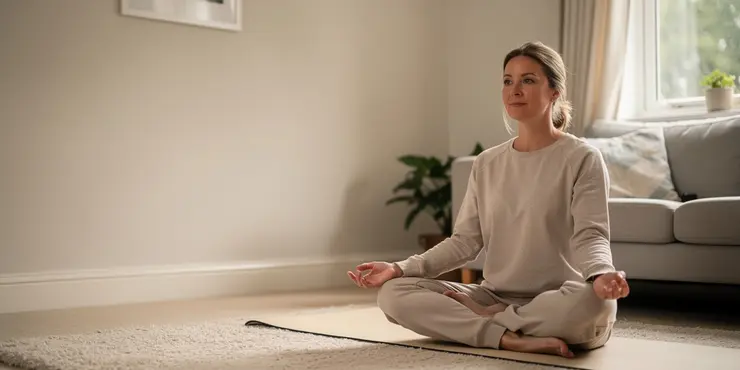
Mindfulness exercises can help individuals manage health-related anxiety by promoting relaxation and minimizing negative thought patterns. Practices such as meditation and deep breathing can be very calming.
Setting aside a few minutes each day for mindfulness can potentially reduce stress levels. It's a simple yet effective way to gain control over anxious thoughts.
Seeking Support and Professional Advice
While lifestyle changes are beneficial, they should not replace professional help. It's important to consult healthcare professionals for persistent health-related anxiety.
Support groups and therapy can provide additional coping strategies and reassurance. Combining these resources with lifestyle changes can lead to improved mental and physical health.
Frequently Asked Questions
Lifestyle changes can help reduce health-related anxiety by promoting overall well-being, improving mood, and decreasing stress levels. Such changes can include regular exercise, a balanced diet, adequate sleep, and mindfulness practices.
Exercise helps manage anxiety by releasing endorphins, which are natural mood lifters. It also helps reduce stress hormones, improve sleep, boost self-esteem, and distract from anxious thoughts.
Yes, a balanced diet can have a positive effect on reducing anxiety. Consuming nutrient-rich foods, maintaining stable blood sugar levels, and avoiding stimulants like caffeine can help manage anxiety symptoms.
Adequate sleep is crucial for emotional regulation. Sleep deprivation can exacerbate anxiety symptoms, while sufficient sleep can improve mood, increase resilience to stress, and enhance overall mental health.
Mindfulness can reduce health anxiety by helping individuals stay focused on the present moment, reduce rumination on health concerns, and foster a non-judgmental awareness of their thoughts and feelings.
Yes, relaxation techniques such as deep breathing, progressive muscle relaxation, and guided imagery can help reduce the physical symptoms of anxiety and induce a state of calm.
Reducing screen time, especially on health-related content, can help decrease anxiety by limiting exposure to potentially distressing information and reducing overall stress load on the mind.
Having a strong social support network can alleviate anxiety by providing emotional support, improving self-esteem, and offering perspective. Engaging in social activities can also reduce feelings of isolation.
Proper hydration is important for maintaining energy levels and cognitive function. Dehydration can lead to fatigue, irritability, and confusion, which can exacerbate anxiety symptoms.
Reducing alcohol consumption can be beneficial because alcohol can interfere with sleep and increase feelings of anxiety. Moderating alcohol intake can help stabilize mood and reduce anxiety symptoms.
Setting realistic and achievable goals can help reduce anxiety by providing structure, building self-confidence, and promoting a sense of control over one's life.
Avoiding self-diagnosis and excessive health research can prevent unnecessary worry and catastrophic thinking. It is better to consult healthcare professionals for accurate information and reassurance.
Journaling can help by allowing individuals to express their thoughts and emotions. It can clarify thinking, reduce stress, and provide a sense of relief, contributing to decreased anxiety.
Practicing gratitude can shift focus from worries to positive aspects of life, fostering a positive mindset. This practice can enhance well-being and reduce the intensity of anxiety feelings.
Caffeine is a stimulant that can increase heart rate and feelings of nervousness. Reducing caffeine intake can help minimize these symptoms and contribute to a calmer state of mind.
Engaging in hobbies can distract from anxiety-provoking thoughts, provide enjoyment, and improve emotional well-being, which helps in managing health-related anxiety.
Spending time in nature can reduce anxiety by promoting relaxation, reducing stress, and improving mood. Nature exposure can enhance overall mental well-being.
While lifestyle changes can be beneficial, professional therapy may be necessary for individuals with severe or persistent health anxiety. Therapy can provide tailored strategies to manage anxiety effectively.
Mental health professionals offer support through techniques like cognitive-behavioral therapy, stress management strategies, education about anxiety, and guidance in making effective lifestyle changes.
Maintaining a balanced routine provides stability, reduces stress, and helps manage time effectively. It ensures that there is time for self-care, social interactions, and physical activity, all of which can reduce health-related anxiety.

Ergsy Search Results
This website offers general information and is not a substitute for professional advice.
Always seek guidance from qualified professionals.
If you have any medical concerns or need urgent help, contact a healthcare professional or emergency services immediately.
Some of this content was generated with AI assistance. We've done our best to keep it accurate, helpful, and human-friendly.
- Ergsy carefully checks the information in the videos we provide here.
- Videos shown by Youtube after a video has completed, have NOT been reviewed by ERGSY.
- To view, click the arrow in centre of video.
- Most of the videos you find here will have subtitles and/or closed captions available.
- You may need to turn these on, and choose your preferred language.
- Go to the video you'd like to watch.
- If closed captions (CC) are available, settings will be visible on the bottom right of the video player.
- To turn on Captions, click settings.
- To turn off Captions, click settings again.