
Speak To An Expert
Get clear, personalised advice for your situation.
Jot down a few questions to make the most of your conversation.
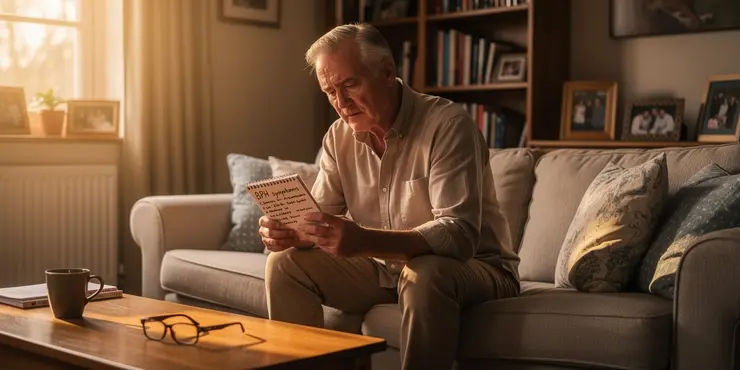
What is BPH?
BPH, or Benign Prostatic Hyperplasia, is a common condition that affects men as they age. It refers to the non-cancerous enlargement of the prostate gland. This enlargement can lead to bothersome urinary symptoms due to the pressure it places on the urethra, which is the tube that carries urine out of the bladder.
Symptoms of BPH
Men experiencing BPH often notice changes in their urinary habits, which can significantly impact daily life. While not everyone with an enlarged prostate will have symptoms, many will exhibit some of the following:
Frequent Urination
One of the hallmark symptoms of BPH is the need to urinate more frequently, particularly at night. This increased urgency is often inconvenient and can disrupt sleep patterns, leading to fatigue and other related issues.
Urgency to Urinate
Alongside frequency, many men feel a sudden, compelling need to urinate. This urgency might be accompanied by the fear of not making it to the toilet in time, causing distress and anxiety.
Difficulty Starting Urination
Some men with BPH experience hesitancy or difficulty in starting the urine stream. Despite feeling the urge, they may find it takes effort or time to begin urinating, leading to frustration.
Weak Urine Stream
A noticeable reduction in the strength or force of the urine stream is common in BPH. This weak flow can extend the duration of urination and contribute to incomplete bladder emptying.
Intermittent Urine Flow
Another symptom is an interrupted or stop-start flow. This can create an uncertain and uncomfortable process for urination, adding to the stress of managing the condition.
Incomplete Emptying of the Bladder
Men with BPH may feel as though their bladder is never completely empty after urinating. This sensation can lead to repeated visits to the bathroom and increase the risk of urinary tract infections.
Straining to Urinate
The enlargement of the prostate can lead to straining or pushing to start or maintain urination. This exertion can cause other problems, such as haemorrhoids or discomfort.
Post-Void Dribbling
Post-void dribbling refers to the leakage of urine immediately after finishing urination. This can be both physically uncomfortable and socially embarrassing for individuals dealing with BPH.
Conclusion
If you're experiencing these symptoms, it's important to consult a healthcare professional. While BPH is a non-cancerous condition, the symptoms can mimic more serious illnesses, and proper diagnosis is crucial. Effective treatments are available to manage and alleviate the symptoms of BPH, helping to maintain quality of life.
What is BPH?
BPH means your prostate gland gets bigger as you get older. It is not cancer. It can make it hard to pee because the gland presses on the tube that carries pee out of your body.
What are the signs of BPH?
If you have BPH, you might notice your bathroom habits change. This can make life hard. Here are some common signs:
Peeing Often
You might need to pee a lot, especially at night. This can wake you up and make you tired during the day.
Needing to Pee Fast
You might suddenly need to pee quickly and feel worried you won't make it to the bathroom in time. This can make you feel stressed.
Hard to Start Peeing
Sometimes, it is hard to begin peeing even when you feel like you have to go. This can be frustrating.
Weak Pee Stream
Your pee might come out slowly or weakly. It can take a long time to finish peeing, and your bladder may not empty all the way.
Stop and Start Peeing
Your pee might start and stop while you are using the bathroom. This can be uncomfortable and annoying.
Not Emptying Your Bladder
It may feel like there is still pee left in your bladder even after you are done. This can make you go to the bathroom many times.
Straining to Pee
You might push hard to start or keep peeing. This straining can cause other problems and make you uncomfortable.
Pee Dribbling
You might leak a bit of pee after you think you are finished. This can feel awkward and embarrassing.
What To Do
If you have these symptoms, see a doctor. BPH is not cancer, but it can seem like other serious problems. There are treatments that can help you feel better and make life easier.
Frequently Asked Questions
Common urinary symptoms of BPH include frequent urination, especially at night (nocturia), difficulty starting urination, weak urine stream, and the feeling of incomplete bladder emptying.
BPH typically does not cause pain during urination, but it can cause discomfort due to other urinary symptoms.
Yes, BPH can contribute to urgency incontinence, where there is a sudden, intense urge to urinate and sometimes involuntary leakage of urine.
Nocturia, or frequent urination during the night, is a common symptom associated with BPH.
Yes, difficulty starting urination is a common symptom of BPH, often referred to as hesitancy.
Yes, a weak urine stream is a common symptom of BPH due to the pressure on the urethra from the enlarged prostate.
Straining to urinate refers to the effort required to initiate urination or maintain a steady flow, often experienced by those with BPH.
Yes, BPH can cause a sudden need to urinate, which is referred to as urinary urgency.
Frequent urination means needing to urinate more often than usual, which is a common sign of BPH.
BPH does not typically cause blood in the urine, though it's important to consult a doctor if this symptom occurs.
Yes, BPH can increase the risk of urinary tract infections due to incomplete bladder emptying.
Painful ejaculation is not commonly associated with BPH, though some men may experience discomfort during ejaculation.
Yes, BPH can lead to bladder stones due to retained urine, which provides an environment for stone formation.
Intermittent urine stream refers to a urine flow that stops and starts, a symptom which may be experienced by those with BPH.
Yes, feeling as though you cannot completely empty your bladder is a common symptom of BPH.
Symptoms of BPH often worsen with age as the prostate continues to enlarge, affecting urinary function.
Yes, symptoms of BPH can vary in severity over time and may be influenced by lifestyle factors such as diet and fluid intake.
While BPH itself does not directly cause erectile dysfunction, the conditions can coexist and the stress of BPH symptoms can contribute to sexual health issues.
BPH symptoms are primarily urinary, but it can impact overall quality of life and cause stress and anxiety.
BPH and prostate cancer can have similar urinary symptoms, but prostate cancer may also include symptoms like bone pain or unexplained weight loss. It's important to consult a healthcare provider for an accurate diagnosis.
BPH can make you need to pee a lot, especially at night. It can be hard to start peeing, and the pee might come out weak. You might feel like your bladder is not empty when you finish peeing.
When you have BPH, peeing usually does not hurt. But it can feel uncomfortable because of other pee problems.
Yes, BPH can make you feel like you need to pee really badly all of a sudden. Sometimes, you might pee a little without meaning to.
Nocturia means needing to pee often during the night. This happens a lot if someone has BPH, which means the prostate is bigger than normal.
Yes, having trouble starting to pee is a common sign of BPH, which sometimes people call hesitancy.
Yes, a weak urine stream can happen because of an enlarged prostate. This pushes on the tube called the urethra where urine comes out.
Straining to pee means having a hard time starting to pee or keeping a steady stream. This often happens to people with BPH, which means the prostate is bigger than usual.
Yes, BPH can make you feel like you need to pee all of a sudden. This is called urinary urgency.
Frequent urination means you need to go to the toilet to pee more often than normal. It can be a sign of a problem called BPH (Benign Prostatic Hyperplasia).
BPH usually does not make blood show up in your pee. But if you see this, it's important to talk to a doctor.
Yes, BPH can make urinary infections more likely because the bladder does not empty all the way.
Having pain when you ejaculate is not usually a problem caused by BPH. But some men might feel some pain when they ejaculate.
Here are a few things that might help:
- Talk to a doctor: They can check what's going on and give you advice.
- Relaxation techniques: Try deep breathing or gentle stretches.
- Support groups: Talking to others who have similar experiences can be helpful.
Yes, sometimes pee stays in the bladder because of BPH. This can cause bladder stones to form.
Sometimes, when you pee, the pee might stop and start again. This can happen if you have something called BPH.
Yes, feeling like you can't fully empty your bladder is normal for people with BPH.
As men get older, their prostate can get bigger. This can make it hard for them to pee.
Yes, the signs of BPH can change over time. How bad they are might be affected by things like what you eat and drink.
BPH does not make erectile dysfunction happen. But, you can have both BPH and erectile dysfunction at the same time. Feeling stressed because of BPH can also cause problems with sexual health.
The main signs of BPH affect how you pee. But it can also make you feel worried and upset, and make life harder.
BPH and prostate cancer can make you pee more often. But prostate cancer can also make your bones hurt or make you lose weight for no reason. It's important to talk to a doctor to find out what's wrong.

Ergsy Search Results
This website offers general information and is not a substitute for professional advice.
Always seek guidance from qualified professionals.
If you have any medical concerns or need urgent help, contact a healthcare professional or emergency services immediately.
Some of this content was generated with AI assistance. We've done our best to keep it accurate, helpful, and human-friendly.
- Ergsy carefully checks the information in the videos we provide here.
- Videos shown by Youtube after a video has completed, have NOT been reviewed by ERGSY.
- To view, click the arrow in centre of video.
- Most of the videos you find here will have subtitles and/or closed captions available.
- You may need to turn these on, and choose your preferred language.
- Go to the video you'd like to watch.
- If closed captions (CC) are available, settings will be visible on the bottom right of the video player.
- To turn on Captions, click settings.
- To turn off Captions, click settings again.