
Speak To An Expert
Get clear, personalised advice for your situation.
Jot down a few questions to make the most of your conversation.
Understanding Rice Contamination
Rice is a staple food around the world, but it can sometimes harbour harmful bacteria. One common bacterium found in rice is Bacillus cereus. This bacterium can cause food poisoning if ingested in large amounts.
Bacillus cereus spores can survive cooking temperatures. If rice is left at room temperature after cooking, these spores can multiply quickly. Proper storage is crucial to prevent foodborne illnesses from rice.
The Role of Freezing
Freezing is a common method for preserving food, but its effectiveness depends on the type of bacteria. While freezing can stop bacterial growth, it does not necessarily kill all bacteria.
In the case of Bacillus cereus, freezing cooked rice can halt bacterial proliferation. However, freezing does not eliminate the spores that may be present. This means that improper handling after thawing can still pose risks.
Safe Rice Storage Practices
To ensure rice safety, it's essential to store it properly. Always cool cooked rice quickly to prevent bacterial growth. Divide large quantities into shallow containers to speed up the cooling process.
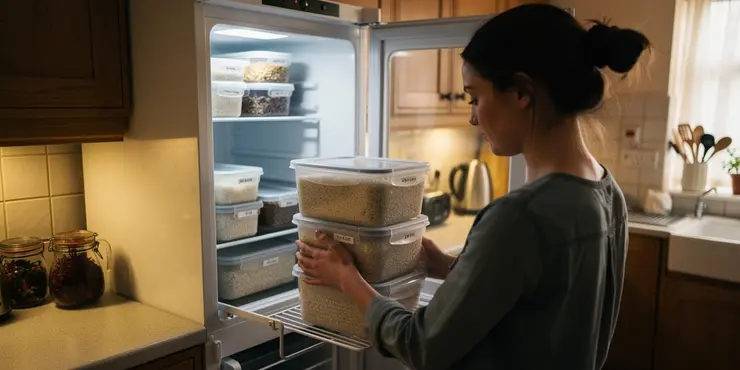
Once cooled, place rice in the refrigerator or freezer immediately. If storing in the freezer, use airtight containers or freezer bags to prevent freezer burn and maintain quality.
When reheating, ensure rice is steaming hot all the way through. This will help kill any bacteria that may have developed during storage.
Refrigeration vs Freezing
Storing cooked rice in the refrigerator or freezer both have benefits. Refrigeration slows bacterial growth and is suitable for short-term storage. Typically, rice can be safely refrigerated for one to two days.
Freezing is more effective for long-term storage. Properly frozen rice can last for up to a month. Always use proper reheating methods to ensure safety, regardless of the storage method used.
Best Practices for Thawing Rice
Thawing methods can influence safety. Thaw rice in the refrigerator overnight or use a microwave for quicker results. Avoid leaving rice at room temperature during thawing.
When microwaving, ensure the rice is heated evenly. Stir the rice thoroughly to distribute heat and eliminate cold spots that could harbour bacteria.
Conclusion
While freezing rice can halt bacterial growth, it does not kill all harmful bacteria. Safe handling and storage are key to preventing foodborne illnesses.
Always follow thorough cooling, freezing, and reheating practices to enjoy rice safely. With proper procedures, you can minimise the risk of contamination.
Frequently Asked Questions
Freezing rice does not kill harmful bacteria. It can stop their growth, but the bacteria remain alive and can become active again once the rice is thawed.
Freezing temperatures typically pause bacterial activity but do not destroy most types of bacteria, which can survive the cold and reactivate upon thawing.
After cooking, rice should be cooled quickly and stored in the refrigerator within two hours to slow bacterial growth. It can also be frozen for longer storage.
Cooked rice should be cooled quickly and frozen or refrigerated within two hours of cooking to minimize the risk of bacterial growth.
Freezing does not destroy Bacillus cereus spores, which can survive freezing temperatures and become active at warmer temperatures.
Bacteria in rice become dormant when frozen but are not killed. They can reactivate when the rice is thawed and left at temperatures where they can grow.
Freezing rice can help improve safety by halting bacterial growth, but it does not eliminate bacteria. Safe handling and cooking practices are still required.
Yes, it's safe to eat leftover rice that has been properly frozen and thawed, provided it was stored correctly and reheated to the right temperature before consumption.
Rice should be reheated to at least 165°F (74°C) to ensure that any active bacteria are killed.
Rice can be safely frozen for up to six months. Beyond this time, quality may decline, but it is still safe to eat.
Freezing can slightly alter the texture of rice, often making it softer or mushier when thawed, but this does not affect its safety.
Cool rice quickly after cooking, place it in airtight containers or freezer bags, and freeze. This method minimizes texture changes and bacterial risk.
Yes, rice can be frozen with other ingredients such as vegetables and meats. Ensure all components are properly cooked and cooled before freezing.
Thaw frozen rice in the refrigerator overnight or reheat directly from frozen using a microwave or stove to ensure even heating.
Refreezing rice is not recommended as it can affect texture and increase the risk of bacterial growth if not handled correctly between freezes.
Adding salt does not kill bacteria when freezing rice. The primary benefit of salt is flavor enhancement, not bacterial control.
Signs of spoilage include a sour smell, slimy texture, or visible mold. If any of these are present, it is best to discard the rice.
Yes, both cooked and uncooked rice can be frozen. Cooked rice should be cooled properly before freezing, while uncooked rice can be frozen to prevent bugs.
All types of rice can be frozen similarly, but texture changes might be more noticeable in some varieties, like sushi rice or jasmine rice.
Freezing halts bacterial growth, reducing the risk of foodborne illness, but it does not prevent it completely. Proper cooking and reheating are essential.

Ergsy Search Results
This website offers general information and is not a substitute for professional advice.
Always seek guidance from qualified professionals.
If you have any medical concerns or need urgent help, contact a healthcare professional or emergency services immediately.
Some of this content was generated with AI assistance. We've done our best to keep it accurate, helpful, and human-friendly.
- Ergsy carefully checks the information in the videos we provide here.
- Videos shown by Youtube after a video has completed, have NOT been reviewed by ERGSY.
- To view, click the arrow in centre of video.
- Most of the videos you find here will have subtitles and/or closed captions available.
- You may need to turn these on, and choose your preferred language.
- Go to the video you'd like to watch.
- If closed captions (CC) are available, settings will be visible on the bottom right of the video player.
- To turn on Captions, click settings.
- To turn off Captions, click settings again.