
Get Answers
Visual Inspection of Rice
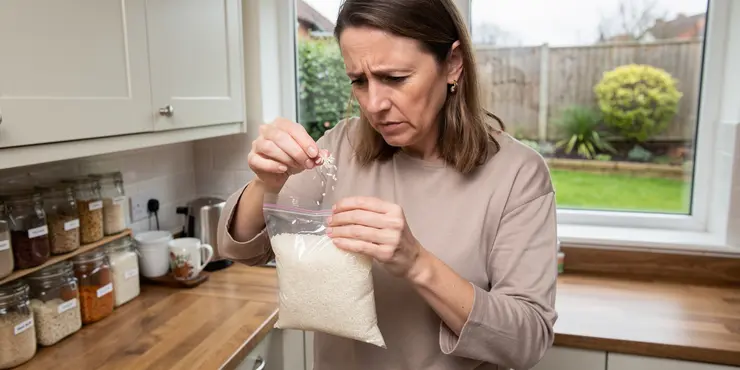
One of the first steps to determine if rice has gone bad is to look at its appearance. Fresh rice should have a consistent colour and texture without any noticeable discolouration.
If you notice dark spots, mould, or signs of discolouration, it's a clear indication that the rice is no longer safe to consume. Mould can be harmful, so discard any rice showing these signs.
Checking the Smell
Rice that has gone bad often emits an unpleasant odour. Give your rice a sniff and see if it smells off. Fresh rice should have a neutral smell, so any sour or musty scent is a cause for concern.
If the rice smells unusual, it's best to err on the side of caution and dispose of it. Cooking rice that smells bad can result in food that is unpleasant and potentially unsafe to eat.
Examining for Insects
In some cases, rice can become infested with pests such as weevils. These insects are small and can be tricky to spot at first. Carefully examine your rice for any signs of movement or small holes in the grains.
It’s important to store rice in airtight containers to prevent infestation. If you do spot insects, it’s advisable to discard the contaminated batch immediately.
Texture and Consistency
For cooked rice, texture is a vital indicator of freshness. Freshly cooked rice should be firm yet tender. If it has taken on a slimy texture, it’s gone bad and should be thrown away.
Uncooked rice should feel dry and separate. Any clumping or unusual stickiness in uncooked rice suggests it has absorbed moisture and is likely spoiled.
Best Before Dates and Storage Tips
Always check the packaging for the best before date when purchasing or consuming rice. While rice can last beyond this date, it's a good reference for optimal quality.
Proper storage significantly extends the shelf life of rice. Keep uncooked rice in a cool, dry place in airtight containers to maintain its freshness.
Conclusion
Knowing how to tell if rice has gone bad is essential for food safety. Use visual cues, smell, and texture to make informed decisions.
Practising proper storage techniques will help prolong the life of your rice and ensure it remains safe to eat.
Frequently Asked Questions
If rice has gone bad, it will often have a sour, musty, or off smell. Fresh rice should have a mild, neutral aroma.
Spoiled rice may change color, develop mold, or have an unusual texture. Look for discoloration or the presence of mold as clear signs.
Yes, if cooked rice becomes slimy, sticky, or very dry and hard, it might be spoiled. Freshly cooked rice should be soft and fluffy.
Yes, spoiled rice can taste sour or off. It's best not to taste rice if you suspect it's gone bad, as this could be unsafe.
Cooked rice can be stored in the refrigerator for 3-6 days. Beyond this, it might start to spoil.
Mold on rice can appear as green, blue, or black spots. If you see any mold, discard the rice immediately.
Yes, while uncooked rice has a long shelf life, it can go bad if exposed to moisture or pests, leading to a change in texture or appearance.
Rancid rice may emit a smell similar to old paint or chemicals. It's an indication that the rice is no longer safe to eat.
Yes, rice can spoil and harbor bacteria even if there are no visible signs. If kept warm for too long after cooking, it can become unsafe.
Inspect the rice for small holes, webs, or actual insects. These are signs of an infestation and indicate that the rice is not safe to eat.
A stale smell can indicate that rice is old but not necessarily spoiled. However, if it smells musty or sour, consider it spoiled.
Rice should be stored in an airtight container in a cool, dry place away from moisture and pests.
If cooked rice feels excessively sticky, slimy, or hard, it might be spoiled. For dry rice, if it's damp or clumping, there's an issue.
Brown rice can go rancid faster than white rice due to higher oil content, giving it a bitter or sour taste when bad.
Yes, even refrigerated rice can spoil after a few days. Monitor for changes in odor, texture, or presence of mold.
If rice smells off but looks fine, it's safer to discard it. An off odor can indicate bacterial growth or spoilage.
Exposure to moisture, heat, or pests due to improper storage can lead to spoilage. Use airtight containers away from heat sources.
It's not recommended to eat rice left at room temperature for more than 2 hours due to the risk of bacterial growth.
Reheating rice won't necessarily make it safe if it has already spoiled. It's best to discard rice if it's been stored for too long.
Discoloration can indicate spoilage or contamination. It's best to avoid eating rice that has changed in color.

Ergsy Search Results
This website offers general information and is not a substitute for professional advice.
Always seek guidance from qualified professionals.
If you have any medical concerns or need urgent help, contact a healthcare professional or emergency services immediately.
Some of this content was generated with AI assistance. We've done our best to keep it accurate, helpful, and human-friendly.
- Ergsy carefully checks the information in the videos we provide here.
- Videos shown by Youtube after a video has completed, have NOT been reviewed by ERGSY.
- To view, click the arrow in centre of video.
- Most of the videos you find here will have subtitles and/or closed captions available.
- You may need to turn these on, and choose your preferred language.
- Go to the video you'd like to watch.
- If closed captions (CC) are available, settings will be visible on the bottom right of the video player.
- To turn on Captions, click settings.
- To turn off Captions, click settings again.