
Speak To An Expert
Get clear, personalised advice for your situation.
Jot down a few questions to make the most of your conversation.
Understanding the Risks
Rice is a staple food in many households, offering versatility and nutrition. However, incorrectly stored rice can pose health risks.
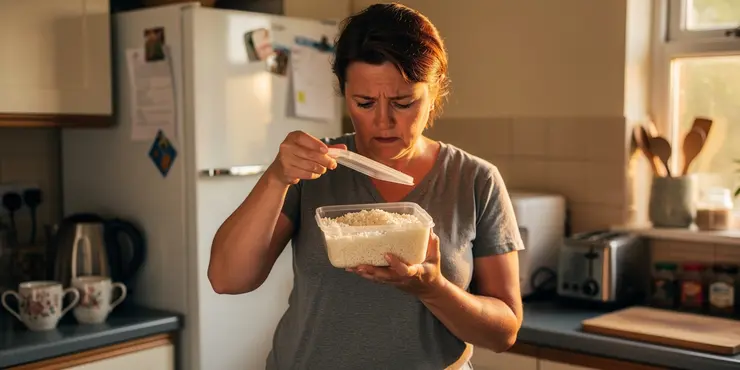
Leftover rice can harbor bacteria, particularly Bacillus cereus, which can lead to food poisoning. It's crucial to understand how to handle rice safely to avoid illness.
What is Bacillus Cereus?
Bacillus cereus is a type of bacteria naturally found in the environment. It can survive cooking temperatures and thrive on starchy foods like rice.
When cooked rice is left at room temperature, these bacteria can multiply and produce toxins. Consuming contaminated rice may cause symptoms like vomiting and diarrhea.
Proper Storage of Cooked Rice
To minimise the risk, it's important to store rice correctly after cooking. Ensure rice is cooled rapidly by spreading it in a thin layer or placing it in the fridge soon after cooking.
Refrigerate cooked rice within an hour of cooking. Avoid keeping it at room temperature for long periods to prevent bacterial growth.
Safe Reheating Practices
Reheated rice can be safe to eat if it has been stored properly. When reheating, ensure it is piping hot all the way through.
It's advisable to avoid reheating rice more than once. Consistently reheating and cooling rice can increase the risk of bacterial growth.
Recognising Spoiled Rice
Before consuming leftover rice, check for signs of spoilage. A sour smell, unusual texture, or visible mould are indicators that rice has gone bad.
If you notice any of these signs, it's best to discard the rice. Consuming spoiled rice can lead to unpleasant health effects.
Conclusion
While old rice can potentially make you ill, it doesn't have to if handled correctly. Understanding proper storage and reheating techniques is essential.
With careful attention, you can enjoy rice dishes without worrying about foodborne illness. Always prioritise food safety in your kitchen.
Understanding the Risks
Rice is a common food in many homes. It can be cooked in different ways and is good for you. But if you do not store it right, rice can make you sick.
Old rice can have germs on it. One of these germs is called Bacillus cereus. This germ can make you feel very sick. It is important to know how to keep rice safe to eat.
What is Bacillus Cereus?
Bacillus cereus is a germ found in nature. It can stay alive even when rice is cooked. This germ likes to grow in foods like rice.
If cooked rice is left out of the fridge, these germs can grow and make poisons. Eating this rice can make you vomit or have diarrhea.
How to Store Cooked Rice Safely
To keep rice safe, store it right after cooking. Cool it fast by spreading it out or putting it in the fridge.
Put cooked rice in the fridge within one hour after cooking. Do not leave it out of the fridge for too long. This stops germs from growing.
How to Reheat Rice Safely
You can eat reheated rice if it was stored safely. When you heat it again, make sure it is very hot all over.
Try not to reheat rice more than once. Heating it over and over can make more germs grow.
How to Tell if Rice is Spoiled
Check rice before you eat it. If it smells bad, feels funny, or has mold, do not eat it.
If rice looks or smells wrong, throw it away. Eating bad rice can make you sick.
Conclusion
Old rice can make you sick, but it does not have to if you take care of it. Learn how to store and reheat rice the right way.
Pay attention to food safety so you can enjoy rice without worries. Be careful in the kitchen to stay healthy.
Frequently Asked Questions
Old rice can be dangerous if it has been improperly stored and has grown harmful bacteria such as Bacillus cereus. However, proper cooking and storage can reduce these risks.
Old rice can harbor Bacillus cereus, a bacterium that can cause food poisoning with symptoms like vomiting and diarrhea.
Spoiled rice might have an off smell, unusual texture, or signs of mold. If in doubt, it is safer to discard it.
Bacillus cereus is a type of bacteria that is commonly found in soil and can contaminate food, including rice. It can cause foodborne illness.
Cooked rice should be stored in an airtight container in the refrigerator and consumed within a few days. Uncooked rice should be stored in a cool, dry place.
Reheated rice is safe to eat if it has been properly stored and thoroughly reheated to at least 165°F (74°C) before consumption.
Cooked rice should be consumed within 3-4 days when stored in the refrigerator.
If you suspect food poisoning, seek medical attention, especially if you experience severe symptoms like dehydration or worsening condition.
Freezing rice can slow the growth of bacteria, but it doesn't kill them. Proper cooking and reheating are necessary to ensure safety.
Symptoms include nausea, vomiting, abdominal cramps, and diarrhea, typically occurring within a few hours of consumption.
Uncooked rice can also harbor Bacillus cereus spores, but cooking it properly will kill most bacteria.
Ensure rice is heated to at least 165°F (74°C) throughout, stirring to distribute heat evenly, and only reheat once.
You may not be able to smell bacteria itself, but spoiled rice might have an off or sour smell due to bacterial activity.
Rice is a staple food that can be quickly contaminated and improperly stored, allowing bacteria to grow.
Yes, rice left at room temperature for more than 2 hours should be discarded due to bacterial growth risk.
Refrigeration slows but does not stop bacterial growth, which is why cooked rice should be consumed within a few days.
It's best to consume rice soon after cooking or store it properly, as warm temperatures can promote bacterial growth.
Rice should be refrigerated within 1-2 hours after cooking to minimize the risk of bacterial growth.
Both types can spoil, but brown rice has a shorter shelf life due to higher oil content, making it prone to rancidity.
Most people recover quickly, but severe cases can cause dehydration or other complications if not treated.
Old rice can be dangerous if it has not been stored correctly and bad germs like Bacillus cereus have started to grow. But, if you cook and store it properly, it can be safer to eat.
Old rice can have tiny germs called Bacillus cereus. These germs can make you sick. You might feel like throwing up or have a runny tummy.
Bad rice might smell bad, feel different, or have mold on it. If you are unsure, it's safer to throw it away.
Bacillus cereus is a kind of germ. It often lives in dirt and can get into food, like rice. It can make people sick if they eat it.
Put cooked rice in a closed box in the fridge. Eat it in a few days.
Keep uncooked rice in a cool, dry place.
You can eat rice again if you keep it in the fridge and heat it up really well. It should be hot, at least like 165°F (74°C). This is safe.
You should eat cooked rice within 3 to 4 days if you keep it in the fridge.
If you think you have food poisoning, go see a doctor. This is very important if you feel very sick, like if you are very thirsty all the time or if you are getting worse.
Putting rice in the freezer makes germs grow more slowly, but it doesn't get rid of them. Cooking and heating the rice the right way keeps it safe to eat.
Signs you might feel sick are:
- Feeling like you need to throw up
- Actually throwing up
- Stomach pain
- Runny poop
This usually happens a few hours after eating something.
Here are some tools and ways to help:
- Use picture cards to show how you feel
- Ask someone you trust to help you
- Rest somewhere comfortable
Uncooked rice can have tiny Bacillus cereus spores. But when you cook rice properly, it kills most bacteria.
Make sure all the rice is hot. It should be at least 165°F (74°C). Stir it well so the heat spreads everywhere. Only heat it one time.
You might not smell the bacteria, but bad rice can smell funny or sour because of bacteria.
Rice is a basic food that people eat a lot. If we do not keep it right, germs can grow on it quickly.
If you leave rice out for more than 2 hours, it can grow bad germs. This makes it unsafe to eat. You should throw the rice away.
Keeping rice cold in the fridge helps slow down germs, but it doesn't stop them completely. This is why you should eat cooked rice in just a few days.
It is a good idea to eat rice soon after you cook it. If you need to save it, keep it in a cool place. This is because warm places can make germs grow on the rice.
After you cook rice, put it in the fridge in 1 to 2 hours. This helps stop bad germs from growing.
Both white rice and brown rice can go bad. But brown rice goes bad faster. This is because brown rice has more oil in it, which can make it taste bad over time.
Most people get better fast. But if someone gets very sick, they might need help because they can lose too much water or have other problems if they don't get care.

Ergsy Search Results
This website offers general information and is not a substitute for professional advice.
Always seek guidance from qualified professionals.
If you have any medical concerns or need urgent help, contact a healthcare professional or emergency services immediately.
Some of this content was generated with AI assistance. We've done our best to keep it accurate, helpful, and human-friendly.
- Ergsy carefully checks the information in the videos we provide here.
- Videos shown by Youtube after a video has completed, have NOT been reviewed by ERGSY.
- To view, click the arrow in centre of video.
- Most of the videos you find here will have subtitles and/or closed captions available.
- You may need to turn these on, and choose your preferred language.
- Go to the video you'd like to watch.
- If closed captions (CC) are available, settings will be visible on the bottom right of the video player.
- To turn on Captions, click settings.
- To turn off Captions, click settings again.