
Find Help
More Items From Ergsy search
-
Is zinc important for prostate health?
Relevance: 100%
-

Can prostate supplements cure prostate cancer?
Relevance: 54%
-

What are prostate supplements and do they work?
Relevance: 52%
-
Can women take prostate supplements?
Relevance: 52%
-
What ingredients are commonly found in prostate supplements?
Relevance: 52%
-
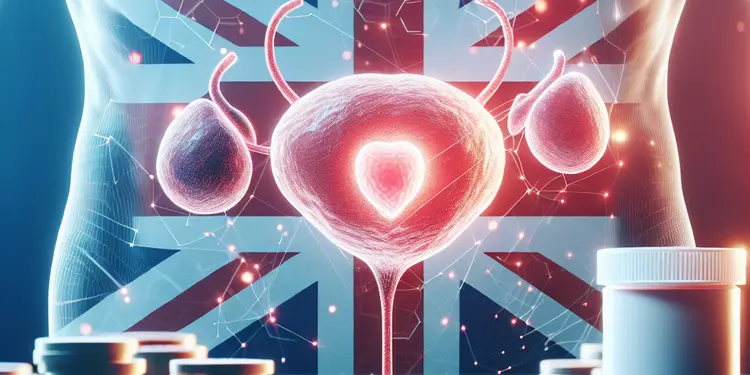
How do prostate supplements work?
Relevance: 52%
-

Do prostate supplements have side effects?
Relevance: 51%
-

Can diet alone support prostate health?
Relevance: 51%
-

Are prostate supplements safe?
Relevance: 51%
-

How should I choose a prostate supplement?
Relevance: 44%

-
Are there clinical studies supporting the effectiveness of prostate supplements?
Relevance: 42%
-

What is lycopene, and what is its function in prostate supplements?
Relevance: 41%
-

Should I consult a doctor before taking prostate supplements?
Relevance: 40%
-

Prostate Surgery
Relevance: 39%
-
Do prostate supplements require a prescription?
Relevance: 39%
-

Treating prostate cancer
Relevance: 38%
-

Living with prostate cancer
Relevance: 38%
-

What is Prostate Cancer?
Relevance: 38%
-

What is beta-sitosterol and its role in prostate supplements?
Relevance: 37%
-

Can I take prostate supplements with my medications?
Relevance: 37%
-
Am I more at risk of prostate cancer?
Relevance: 36%
-

Hormone Therapy for prostate cancer
Relevance: 36%
-

Prostate cancer diagnosis and tests
Relevance: 36%
-

Prostate Specific Antigen (PSA) test
Relevance: 35%
-

Why do men get prostate cancer?
Relevance: 35%
-

How long do prostate supplements take to work?
Relevance: 35%
-

Prostate cancer symptoms - detecting them early
Relevance: 35%
-

What are PSA levels? - Prostate Cancer
Relevance: 34%
-

Are all prostate supplements the same?
Relevance: 33%
-

What is it like having Prostate Radiotherapy treatment?
Relevance: 32%
-

Breakthrough in Cancer Treatment Offers Hope for Prostate Cancer Patients
Relevance: 32%
-

Royal Berkshire NHS Foundation Trust: Radiotherapy for prostate cancer
Relevance: 32%
-

Ask for a prostate specific antigen (PSA) test along with your annual cholesterol check.
Relevance: 28%
-

What is PSA testing?
Relevance: 20%
-

What do health organizations say about aspirin and cancer prevention?
Relevance: 19%
-

Health and safety responsibilities
Relevance: 17%
-

Harshi’s learning disability annual health check and health action plan
Relevance: 17%
-

Understanding Mental Health in Children
Relevance: 16%
-

Mental Health Support Resources in the UK
Relevance: 16%
-

Mental Health Support Services in the UK
Relevance: 16%
The Importance of Zinc for Prostate Health
Zinc is an essential mineral that plays a crucial role in various bodily functions, including immune response, DNA synthesis, and cell division. It is also considered important for maintaining prostate health, especially as men age. The prostate gland, a part of the male reproductive system, is known to contain high concentrations of zinc compared to other body tissues. This suggests a significant relationship between zinc levels and prostate function.
Zinc's Role in the Prostate
Research indicates that zinc is critical for the normal functioning of the prostate. It contributes to the regulation of prostate cell growth and can help prevent the excessive enlargement often associated with benign prostatic hyperplasia (BPH) and the development of prostate cancer. Zinc is thought to inhibit the growth of malignant prostate cells and may induce apoptosis, the programmed cell death that helps control cell proliferation.
Prostate Cancer and Zinc Levels
Studies have suggested a correlation between low zinc levels and an increased risk of developing prostate cancer. The mechanism by which zinc may protect against cancer involves its role in maintaining genetic stability and reducing oxidative stress. Adequate zinc intake may provide a protective effect by suppressing tumour development and slowing down the progression of existing tumours.
Dietary Sources and Recommendations
To support prostate health, ensuring sufficient dietary intake of zinc is essential. Good dietary sources of zinc include meat, shellfish, dairy products, seeds, nuts, and whole grains. For those who find it challenging to obtain enough zinc from their diet, supplements may also be an option, though it is important to consult a healthcare professional before starting any supplementation.
Zinc Supplements and Safety
While zinc supplementation can be beneficial for those with low dietary intake, it is crucial to avoid excessive consumption. High doses of zinc over prolonged periods can lead to adverse effects such as nausea, vomiting, and interference with the body's ability to absorb other essential minerals like copper. The recommended daily allowance (RDA) for zinc in the UK for adult men is 9.5 mg, and it is advisable not to exceed this amount unless directed by a healthcare provider.
Conclusion
In summary, zinc is an important mineral for maintaining prostate health and may help lower the risk of prostate-related diseases. By ensuring adequate intake of zinc through a balanced diet or supplements where necessary, men can support their prostate health and potentially reduce their risk of prostate enlargement and cancer. However, moderation is key, as excessive zinc intake can lead to other health issues. As always, it is recommended that individuals discuss their nutritional needs with healthcare professionals, especially when considering supplements.
Frequently Asked Questions
What role does zinc play in prostate health?
Zinc plays a critical role in maintaining prostate health by regulating cell growth and apoptosis, reducing inflammation, and supporting the functioning of the immune system.
Is zinc deficiency linked to prostate problems?
Yes, zinc deficiency has been associated with an increased risk of prostate issues, including benign prostatic hyperplasia (BPH) and possibly prostate cancer.
Can zinc supplementation improve prostate health?
Zinc supplementation may help improve prostate health for those with a deficiency, but its efficacy can vary. It's important to consult with a healthcare provider before starting any supplements.
How much zinc is necessary for optimal prostate health?
The recommended daily allowance (RDA) for zinc in adult men is about 11 mg per day, but specific requirements may vary based on individual health needs.
Are there any natural food sources high in zinc?
Yes, foods such as oysters, beef, pork, chicken, beans, nuts, and whole grains are high in zinc.
Can excessive zinc intake harm the prostate?
Yes, excessive zinc intake can lead to toxicity and may negatively impact prostate health and overall well-being, emphasizing the importance of moderation.
Are there any studies supporting zinc's benefits for the prostate?
Several studies have suggested that zinc might have protective effects against prostate cancer, though more research is needed to confirm these findings.
Does zinc interact with any prostate health medications?
Zinc can interact with certain medications; it is advisable to discuss supplement use with a healthcare provider, particularly if you are under treatment for prostate issues.
What are the symptoms of zinc deficiency?
Symptoms of zinc deficiency can include weakened immunity, hair loss, diarrhea, delayed wound healing, and in severe cases, alterations in mood or taste.
Can zinc reduce the symptoms of an enlarged prostate?
Zinc might help reduce symptoms by reducing inflammation and supporting immune function, though its effectiveness can vary among individuals.
Is there a link between zinc levels and prostate cancer risk?
Research on zinc's effect on prostate cancer risk is mixed, with some studies indicating a protective role while others show no significant effect.
How is zinc associated with enlarged prostate conditions?
Zinc may help regulate cell proliferation and reduce inflammation, potentially benefiting individuals with benign prostatic hyperplasia.
Does zinc supplementation guarantee improved prostate health?
No, while zinc is important, supplementation does not guarantee improved prostate health and should be part of a comprehensive approach.
What other nutrients are important for prostate health?
In addition to zinc, nutrients like selenium, vitamin D, and omega-3 fatty acids are also considered beneficial for prostate health.
Are vegetarians at higher risk of zinc deficiency affecting prostate health?
Vegetarians might be at greater risk due to dietary patterns, but they can obtain zinc from plant-based sources like legumes and seeds.
Should older adults take zinc supplements for prostate health?
Older adults may benefit from zinc supplementation due to potential insufficiency, but it should be based on medical advice and individual needs.
Can diet alone provide sufficient zinc for prostate health?
A balanced diet rich in zinc-containing foods can generally meet daily needs, though dietary intake should be monitored for adequacy.
Are there particular groups more susceptible to zinc deficiency?
Yes, groups such as older adults, vegetarians, and those with certain digestive disorders are more at risk for zinc deficiency.
Does zinc play a role in testosterone levels linked to prostate health?
Zinc is vital for testosterone production and regulation, which is indirectly related to maintaining prostate health.
How should one balance zinc intake to support prostate health?
Balancing zinc intake involves consuming a varied diet, considering supplements if necessary, and consulting with healthcare providers to ensure appropriate levels.

Useful Links
- Ergsy carfully checks the information in the videos we provide here.
- Videos shown by Youtube after a video has completed, have NOT been reviewed by ERGSY.
- To view, click the arrow in centre of video.
- Most of the videos you find here will have subtitles and/or closed captions available.
- You may need to turn these on, and choose your preferred language.
- Go to the video you'd like to watch.
- If closed captions (CC) are available, settings will be visible on the bottom right of the video player.
- To turn on Captions, click settings .
- To turn off Captions, click settings again.
More Items From Ergsy search
-
Is zinc important for prostate health?
Relevance: 100%
-
Can prostate supplements cure prostate cancer?
Relevance: 54%
-
What are prostate supplements and do they work?
Relevance: 52%
-
Can women take prostate supplements?
Relevance: 52%
-
What ingredients are commonly found in prostate supplements?
Relevance: 52%
-
How do prostate supplements work?
Relevance: 52%
-
Do prostate supplements have side effects?
Relevance: 51%
-
Can diet alone support prostate health?
Relevance: 51%
-
Are prostate supplements safe?
Relevance: 51%
-
How should I choose a prostate supplement?
Relevance: 44%
-
Are there clinical studies supporting the effectiveness of prostate supplements?
Relevance: 42%
-
What is lycopene, and what is its function in prostate supplements?
Relevance: 41%
-
Should I consult a doctor before taking prostate supplements?
Relevance: 40%
-
Prostate Surgery
Relevance: 39%
-
Do prostate supplements require a prescription?
Relevance: 39%
-
Treating prostate cancer
Relevance: 38%
-
Living with prostate cancer
Relevance: 38%
-
What is Prostate Cancer?
Relevance: 38%
-
What is beta-sitosterol and its role in prostate supplements?
Relevance: 37%
-
Can I take prostate supplements with my medications?
Relevance: 37%
-
Am I more at risk of prostate cancer?
Relevance: 36%
-
Hormone Therapy for prostate cancer
Relevance: 36%
-
Prostate cancer diagnosis and tests
Relevance: 36%
-
Prostate Specific Antigen (PSA) test
Relevance: 35%
-
Why do men get prostate cancer?
Relevance: 35%
-
How long do prostate supplements take to work?
Relevance: 35%
-
Prostate cancer symptoms - detecting them early
Relevance: 35%
-
What are PSA levels? - Prostate Cancer
Relevance: 34%
-
Are all prostate supplements the same?
Relevance: 33%
-
What is it like having Prostate Radiotherapy treatment?
Relevance: 32%
-
Breakthrough in Cancer Treatment Offers Hope for Prostate Cancer Patients
Relevance: 32%
-
Royal Berkshire NHS Foundation Trust: Radiotherapy for prostate cancer
Relevance: 32%
-
Ask for a prostate specific antigen (PSA) test along with your annual cholesterol check.
Relevance: 28%
-
What is PSA testing?
Relevance: 20%
-
What do health organizations say about aspirin and cancer prevention?
Relevance: 19%
-
Health and safety responsibilities
Relevance: 17%
-
Harshi’s learning disability annual health check and health action plan
Relevance: 17%
-
Understanding Mental Health in Children
Relevance: 16%
-
Mental Health Support Resources in the UK
Relevance: 16%
-
Mental Health Support Services in the UK
Relevance: 16%