
Get Answers
Why embarrassment is common
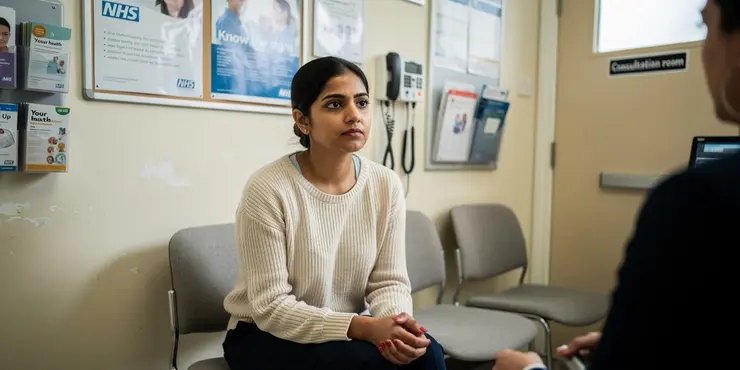
If you feel embarrassed about talking about your symptoms, you are not alone. Many people in the UK put off seeking help because they worry they will be judged, feel awkward, or do not know how to explain what is happening.
This is especially common with symptoms that feel personal, such as bowel problems, sexual health concerns, mental health changes, or issues affecting appearance or smell. Even though these symptoms can feel hard to mention, healthcare professionals hear about them every day.
Why speaking up matters
Your symptoms are there for a reason, and discussing them can help you get the right care sooner. Waiting too long may make the problem harder to treat or cause unnecessary worry.
A GP, nurse, pharmacist, or other clinician is trained to listen without judgment. They are focused on understanding what is happening, not on making you feel uncomfortable.
Ways to make the conversation easier
It can help to write down your symptoms before an appointment. Include when they started, how often they happen, what makes them better or worse, and whether anything else has changed.
If saying things out loud feels difficult, you can show your notes instead. Some people also find it easier to book a phone or online consultation first, so they can ease into the conversation more gradually.
You can also bring a trusted person with you if that would help you feel more confident. Having someone else there may make it easier to remember what was said and to ask questions.
What to expect from the appointment
A good healthcare professional will give you time to explain what is wrong. They may ask specific questions to understand the pattern of your symptoms, even if those questions feel personal.
You do not have to give more detail than you are comfortable with straight away, but being honest helps them give safer advice. If you do not understand something, ask them to explain it in plain language.
When to seek help sooner
Some symptoms should not be ignored, even if they feel embarrassing. If you have severe pain, bleeding, chest pain, sudden weakness, difficulty breathing, or any symptom that is rapidly getting worse, seek urgent medical help.
If you are unsure whether something is urgent, contact your GP surgery, NHS 111, or use the NHS website for guidance. Reaching out early is a sensible step, not an overreaction.
Remember that you deserve care
Feeling embarrassed does not mean your symptoms are minor or not worth mentioning. You deserve support, reassurance, and proper medical advice.
The sooner you speak up, the sooner you can get answers and feel more in control. A short, honest conversation is often the first step towards feeling better.
Frequently Asked Questions
Embarrassed to discuss symptoms means feeling ashamed, nervous, or uncomfortable talking openly about health concerns with a doctor, nurse, or caregiver.
People may feel embarrassed to discuss symptoms with a doctor because the issue involves private body parts, sexual health, bowel habits, odor, or concerns they fear will be judged.
Someone can overcome being embarrassed to discuss symptoms by writing notes beforehand, using clear simple language, reminding themselves that clinicians are trained to help, and focusing on getting care rather than on discomfort.
Commonly embarrassing to discuss symptoms about include rashes in private areas, bowel changes, urinary problems, sexual symptoms, bad breath, body odor, hair loss, and unusual discharge.
A person should start by saying they feel uncomfortable or embarrassed to discuss symptoms and then briefly describe the main problem, when it started, and what has changed.
Yes, embarrassed to discuss symptoms can delay care or cause important details to be left out, which may make it harder to get the right diagnosis and treatment.
If someone is embarrassed to discuss symptoms with a family doctor, they can request a private appointment, bring written notes, or ask to speak with a clinician they feel more comfortable with.
Parents can help a child who is embarrassed to discuss symptoms by staying calm, using age-appropriate language, giving the child privacy when possible, and reassuring them that many symptoms are normal to discuss.
Yes, it is normal to be embarrassed to discuss symptoms with a healthcare provider, especially when the issue is personal, but healthcare professionals hear these concerns regularly.
Before an appointment, a person can write down the symptom, when it began, how often it happens, what makes it better or worse, and any related changes to help if they are embarrassed to discuss symptoms.
Clinicians typically respond with professionalism, confidentiality, and respect, and they may ask gentle questions to help the person feel more comfortable talking about embarrassed to discuss symptoms.
Yes, telehealth can help someone who is embarrassed to discuss symptoms because talking from home may feel less stressful and can make it easier to open up.
If someone is embarrassed to discuss symptoms because of odor or hygiene concerns, they should still mention it, because odor can be an important sign of infection, irritation, or other health issues.
Someone can ask for privacy by saying they would like to speak without others in the room and that they are embarrassed to discuss symptoms but need to share something private.
No, someone should not wait until symptoms get worse if they are embarrassed to discuss symptoms, because early evaluation can prevent complications and provide faster relief.
The most important details when embarrassed to discuss symptoms with a clinician are what the symptom is, where it is located, how long it has been present, how severe it is, and any triggers or related symptoms.
A support person can help with embarrassed to discuss symptoms by attending the visit if permitted, helping organize questions, and encouraging honest communication without taking over the conversation.
If embarrassed to discuss symptoms makes someone avoid medical care, they should remember that clinicians are bound by confidentiality and that discussing the issue is the first step toward getting help.
Yes, doctors are very used to people being embarrassed to discuss symptoms, and they are trained to ask sensitive questions in a calm, nonjudgmental way.
The best mindset for someone who is embarrassed to discuss symptoms is to view the appointment as a safe, professional space focused on health, not judgment, and to remember that clear communication leads to better care.

Ergsy Search Results
This website offers general information and is not a substitute for professional advice.
Always seek guidance from qualified professionals.
If you have any medical concerns or need urgent help, contact a healthcare professional or emergency services immediately.
Some of this content was generated with AI assistance. We've done our best to keep it accurate, helpful, and human-friendly.
- Ergsy carefully checks the information in the videos we provide here.
- Videos shown by Youtube after a video has completed, have NOT been reviewed by ERGSY.
- To view, click the arrow in centre of video.
- Most of the videos you find here will have subtitles and/or closed captions available.
- You may need to turn these on, and choose your preferred language.
- Go to the video you'd like to watch.
- If closed captions (CC) are available, settings will be visible on the bottom right of the video player.
- To turn on Captions, click settings.
- To turn off Captions, click settings again.