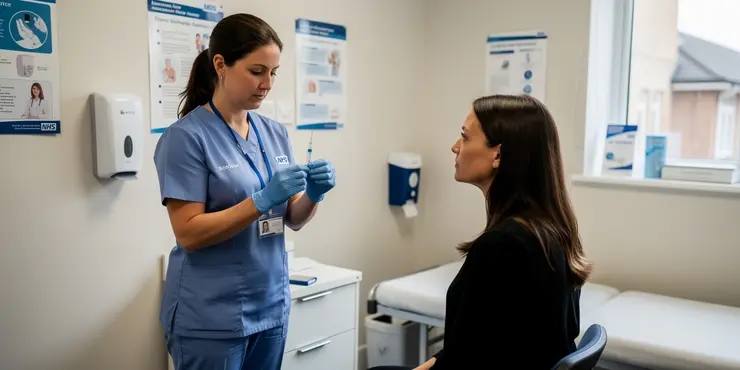

Speak To An Expert
Get clear, personalised advice for your situation.
Jot down a few questions to make the most of your conversation.
Introduction to Botox
Botox, a popular cosmetic and medical treatment, is known for its ability to reduce the appearance of facial wrinkles. However, many people are curious about what Botox is made from and how it works. Understanding its composition and origins can provide insights into its applications and potential effects.
The Origin of Botox
Botox is derived from a neurotoxin called botulinum toxin, which is produced by the bacterium Clostridium botulinum. While the toxin itself can be dangerous in uncontrolled quantities, in the highly purified and diluted form used for medical purposes, it is considered safe and effective.
Botulinum Toxin Types
There are several types of botulinum toxin, labeled as Types A through G. Botox, specifically, uses botulinum toxin Type A. This form of the toxin is the most commonly used in both cosmetic and therapeutic applications due to its effectiveness in relaxing muscles.
The Manufacturing Process
The process of producing Botox involves growing the Clostridium botulinum bacterium under controlled conditions, then extracting and purifying the toxin. The result is a crystalline substance that, when formulated with additional ingredients, becomes the Botox product used in clinical settings. The manufacturing process ensures that the product is both safe and effective when administered by qualified professionals.
Composition of Botox
Beyond botulinum toxin, Botox contains a few other components to stabilize the product and aid in its administration. Typically, these include human albumin, which is a protein found in blood plasma, and sodium chloride, also known as saline, which is used to dilute the toxin to the appropriate strength for therapeutic use. These ingredients help ensure the stability and delivery of Botox when injected into the body.
Applications of Botox
Originally approved for medical use in the late 20th century, Botox was first used to treat conditions such as strabismus (crossed eyes) and blepharospasm (uncontrollable blinking). Today, Botox is widely known for its cosmetic application in reducing the appearance of facial wrinkles. Additionally, it is used for various medical treatments, including chronic migraine, excessive sweating, overactive bladder, and muscle spasticity, showcasing its versatility beyond aesthetics.
Conclusion
Botox, made from botulinum toxin Type A, has undergone extensive research and development to become a widely accepted treatment for both cosmetic and medical purposes. Understanding the origins and composition of Botox helps demystify this common procedure and highlights the importance of using it safely under professional guidance. While derived from a potent toxin, its careful formulation and administration ensure that it remains a beneficial treatment option for many individuals.
Introduction to Botox
Botox is a well-known treatment used to make facial wrinkles look less visible. Many people want to know more about what Botox is made of and how it works. Learning about its makeup and where it comes from can help us understand how it works and what it can do.
Where Botox Comes From
Botox comes from something called botulinum toxin. This toxin is made by bacteria named Clostridium botulinum. In large amounts, this toxin can be harmful, but when used in small, carefully measured amounts for medicine, it is safe and works well.
Types of Botulinum Toxin
There are different kinds of botulinum toxin, named Types A through G. Botox uses Type A. This type is very good at helping relax muscles, which is why it is often used for both beauty and health treatments.
How Botox is Made
To make Botox, the bacteria Clostridium botulinum is grown in a special, controlled way. Then, the toxin is taken out and cleaned up. This becomes a special powder that, with other ingredients, turns into the Botox that doctors use. This careful process makes sure Botox is safe and works well when used by trained experts.
What is in Botox
Besides botulinum toxin, Botox has other parts to help it work better. These include human albumin, a protein from blood, and sodium chloride, which is like salty water. These ingredients help make Botox stable and easy to use when given as an injection.
How Botox is Used
Botox was first used for medical reasons in the late 1900s, like to help with crossed eyes and blinking problems. Now, many people know Botox for reducing facial wrinkles. It is also used for other health issues, like preventing headaches, stopping too much sweating, helping bladder problems, and relaxing tight muscles. This shows how Botox can help in many different ways, not just for looks.
Conclusion
Botox is made from botulinum toxin Type A and has been carefully studied and developed. It is now a common treatment for beauty and health reasons. Knowing where Botox comes from and what it's made of helps us understand this treatment better. It's important to use Botox safely and with professional help. Even though it's from a strong toxin, Botox is safe and helpful when used correctly.
Frequently Asked Questions
Botox is made from a purified form of botulinum toxin type A.
Yes, when used in small, controlled doses for medical and cosmetic purposes, Botox is considered safe.
The toxin used in Botox is produced by the bacterium Clostridium botulinum.
The botulinum toxin is extracted and purified in a controlled laboratory setting to ensure it is safe for use.
Botulinum toxin type A is a specific protein derived from Clostridium botulinum used in Botox.
Botox originates from a natural toxin produced by bacteria, but it is highly purified and processed for medical use.
Yes, Botox contains the active ingredient botulinum toxin type A and other components like saline and human albumin.
Human albumin is a protein derived from human blood plasma that stabilizes the Botox formulation.
Botox specifically uses botulinum toxin type A, but there are other formulations using different toxin types.
While the main ingredient is bacterial, the use of human albumin means Botox may not align with some vegan principles.
Botox is used for cosmetic purposes to reduce wrinkles and for medical conditions like migraines and muscle disorders.
Botox works by blocking nerve signals in the muscles where it is injected, causing temporary relaxation of the muscles.
Botox effects are not permanent and typically wear off in 3 to 6 months as muscle activity gradually returns.
Botox is administered through injection directly into the muscle or area being treated.
When administered correctly by a professional, Botox should not cause botulism because the doses used are very small and controlled.
Strict sterilization and safety protocols are adhered to during the manufacturing process to ensure product safety.
Common side effects include pain at the injection site, headache, and temporary muscle weakness.
There is no direct antidote for Botox but its effects wear off naturally over time.
Yes, Botox is FDA approved for various cosmetic and medical uses.
Botox is most effective on dynamic wrinkles, which are caused by muscle movement, such as frown lines and crow's feet.
Botox is made from a safe, cleaned-up part of a germ called botulinum toxin type A.
Yes, Botox is safe if a doctor gives you a little bit for medical or beauty reasons.
Botox uses a poison made by tiny germs called Clostridium botulinum.
Doctors use a special medicine called botulinum toxin. They make it safe to use by cleaning it very carefully in a lab.
Botulinum toxin type A is a protein. It comes from a germ called Clostridium botulinum. This protein is used to make Botox.
Botox comes from a natural poison made by tiny germs. But don't worry! Doctors make it very safe and clean for people to use.
Yes, Botox has something in it called botulinum toxin type A. It also has other things like salty water (saline) and a part of blood called human albumin.
Human albumin is a protein. It comes from human blood. It helps to keep Botox safe and stable.
Botox uses a special type of medicine called botulinum toxin type A. But there are other types that use different forms of this medicine.
The main part of Botox is made from germs. It also has a part called human albumin, which might not be okay for some vegans.
Botox is a medicine. It helps make skin look smooth and feel softer. It is used to help with wrinkles and can help with health problems like bad headaches and muscle issues.
Botox stops the messages from nerves that tell muscles to move. This makes the muscles relax for a little while.
Botox does not last forever. It usually stops working in 3 to 6 months. This happens because your muscles slowly start moving again.
Botox is given with a small needle. The needle goes into the muscle or spot that needs help.
If a doctor gives you Botox in the right way, it should not make you sick with botulism. This is because they use only a tiny, safe amount.
We make sure everything is super clean and safe when we make our products. This keeps everyone safe.
If you need help reading, you can use a dictionary or ask someone to read it with you.
Some people might feel a little sore where they got the shot. They might also get a headache. Sometimes, their muscles might feel a bit weak, but this goes away after a while.
There is no quick fix for Botox, but it goes away on its own after some time.
Yes, Botox is safe to use. It is approved by the FDA for different beauty and health reasons.
Botox works best on wrinkles that happen when you move your muscles. These are lines like when you frown or the little lines around your eyes called crow's feet.

Ergsy Search Results
This website offers general information and is not a substitute for professional advice.
Always seek guidance from qualified professionals.
If you have any medical concerns or need urgent help, contact a healthcare professional or emergency services immediately.
Some of this content was generated with AI assistance. We've done our best to keep it accurate, helpful, and human-friendly.
- Ergsy carefully checks the information in the videos we provide here.
- Videos shown by Youtube after a video has completed, have NOT been reviewed by ERGSY.
- To view, click the arrow in centre of video.
- Most of the videos you find here will have subtitles and/or closed captions available.
- You may need to turn these on, and choose your preferred language.
- Go to the video you'd like to watch.
- If closed captions (CC) are available, settings will be visible on the bottom right of the video player.
- To turn on Captions, click settings.
- To turn off Captions, click settings again.