
Get Answers
Understanding Botox and Its Connection to Botulism Toxin
Botox, a widely recognized cosmetic treatment, is derived from botulinum toxin, well-known for causing the life-threatening condition botulism. Despite its ominous origin, Botox is used safely in various medical and cosmetic applications, particularly in the UK and around the world. Understanding how Botox works, and its relationship to botulinum toxin, can help demystify this popular treatment.
What is Botulinum Toxin?
Botulinum toxin is a neurotoxic protein produced by the bacterium Clostridium botulinum. In its natural form, this toxin is notoriously dangerous as it can cause botulism, a severe illness causing paralysis. The toxin works by blocking nerve signals in the body, which can lead to muscle paralysis. Despite this, scientists have harnessed its properties for controlled, safe use in clinical environments. Through refining and purifying the toxin, they created Botox, a brand name for a specific formulation of botulinum toxin.
How Does Botox Work?
Botox works by temporarily blocking the transmission of nerve signals to the muscles. When injected in small, controlled doses, Botox affects only targeted areas. This process involves inhibiting the release of acetylcholine, a neurotransmitter responsible for muscle contractions. By preventing muscles from contracting, Botox effectively reduces the appearance of wrinkles and fine lines, creating a smoother, more youthful appearance.
In addition to its cosmetic benefits, Botox has a variety of medical applications. It is used to treat conditions such as chronic migraines, excessive sweating (hyperhidrosis), muscle stiffness, and involuntary muscle movements, among others. The effectiveness and safety of Botox result from using very small, carefully controlled doses administered by qualified professionals.
Safety and Regulation in the UK
In the UK, Botox treatments are closely regulated to ensure safety. The Medicines and Healthcare products Regulatory Agency (MHRA) oversees the use of Botox, ensuring that it meets strict safety and efficacy standards. Only trained and certified practitioners are allowed to perform Botox injections, further ensuring patient safety. Patients considering Botox should always seek treatment from licensed professionals to avoid potential complications.
Conclusion
Botox, derived from the botulinum toxin, shows how science can repurpose a dangerous substance into a beneficial medical treatment. By understanding its origins and mechanisms, patients can make informed decisions when considering Botox for cosmetic or medical purposes. In the UK, stringent regulations and professional administration make Botox a safe option for those looking to benefit from its effects. As always, research and consultation with certified practitioners are key to revealing the full potential and safety of Botox treatments.
Understanding Botox and Its Connection to Botulism Toxin
Botox is a treatment that makes people look younger by reducing wrinkles. It comes from something called botulinum toxin. This toxin can cause a serious illness called botulism. But don't worry! Scientists use it safely for helping people look and feel better. They use this treatment a lot in the UK and other countries. Knowing how Botox works and where it comes from can help clear up any confusion.
What is Botulinum Toxin?
Botulinum toxin is made by bacteria called Clostridium botulinum. It is dangerous because it can cause illness and make muscles stop working. However, scientists found a way to use it safely. They clean and purify the toxin to make a product called Botox.
How Does Botox Work?
Botox helps by stopping signals from nerves reaching muscles. Doctors use tiny amounts in certain areas to stop muscles from moving a lot. This helps reduce wrinkles and makes skin look smooth. Botox can also help with health problems like headaches, too much sweating, and muscle tightness. It is safe when used in small amounts by trained professionals.
Safety and Regulation in the UK
In the UK, there are rules to make sure Botox is used safely. An agency called the MHRA checks that Botox treatments are safe and work well. Only trained and certified people can give Botox injections. It's important to go to someone who is trained and knows what they are doing.
Conclusion
Botox shows how science can take something dangerous and make it helpful. By learning about Botox, people can decide if they want to use it for looking better or for health reasons. In the UK, rules and trained professionals make sure Botox is safe. Always talk to experts to know if Botox is right for you.
Frequently Asked Questions
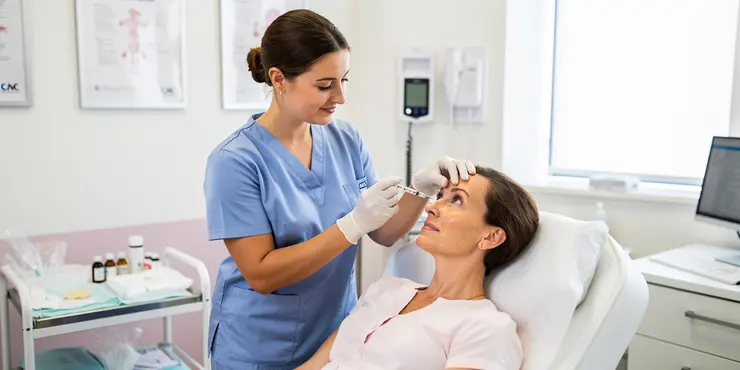
Botox uses a purified form of botulinum toxin to temporarily paralyze muscles by blocking nerve signals, reducing wrinkles and other conditions.
Botox is derived from botulinum toxin, but it is highly purified and used in controlled, safe doses for medical purposes.
When used correctly, Botox does not cause botulism because it is a purified, small dose that targets specific muscles.
Botulinum toxin in Botox is used to temporarily weaken or relax muscles, which can smooth out wrinkles or treat certain medical conditions.
Botox prevents wrinkles by temporarily paralyzing muscles responsible for expressions, reducing their movement and smoothing out skin.
Botox is considered safe when administered by a qualified professional. It has been used for decades in both cosmetic and therapeutic applications.
Botox can treat a variety of conditions including wrinkles, muscle spasms, migraines, excessive sweating, and certain bladder disorders.
The effects of Botox typically last between 3 to 6 months, after which the muscles regain activity.
Common side effects of Botox include temporary bruising, swelling, or headache. Serious side effects are rare with proper administration.
Botox is administered via injection directly into the targeted muscles, usually with minimal discomfort.
Most adults in good health can receive Botox, but it is not recommended for certain populations, such as pregnant women, or those with specific neuromuscular conditions.
Botox effects can start to become noticeable within 3 to 5 days, with full results typically reaching their peak around two weeks.
Botox injections can typically be repeated every 3 to 4 months, but your doctor will recommend the most appropriate schedule for your needs.
In some cases, individuals can develop antibodies that lessen Botox's effectiveness, but this is uncommon.
A trained professional ensures the correct dose and injection sites are selected to prevent complications and achieve optimal outcomes.
After Botox, you should avoid rubbing the treated area, strenuous exercise, and lying down for several hours to prevent the toxin from spreading.
Yes, Botox can be safely combined with other cosmetic treatments like dermal fillers or laser procedures, often enhancing overall results.
During a Botox appointment, a consultation is followed by precise injections into targeted areas, which typically take about 15-30 minutes.
When administered properly, Botox should allow for normal facial expressions while reducing the visibility of wrinkles.
Yes, some people use Botox as a preventive measure to delay the development of deeper wrinkles by keeping facial muscles relaxed.
Botox is a medicine that helps to make muscles stop moving for a little while. It works by stopping messages from nerves, which helps to smooth out wrinkles and treat other problems.
Botox comes from something called botulinum toxin. But don't worry, it's cleaned up a lot and used very safely by doctors. They only use a tiny, safe amount.
When used the right way, Botox is safe. It will not cause botulism. This is because doctors use a tiny, clean amount. It goes to certain muscles only.
Botox has something called botulinum toxin. It helps to make muscles softer or less tense for a little while. This can help get rid of wrinkles or help with some health problems.
Botox helps stop wrinkles. It does this by making the muscles in your face relax. These muscles are the ones that help you make faces and expressions. When they relax, your skin looks smoother.
Botox is safe when given by a trained expert. People have used it for many years to help with health problems and beauty treatments.
Botox can help with many things like:
- Wrinkles (lines on your face)
- Muscle spasms (when muscles move on their own)
- Migraines (bad headaches)
- Too much sweating
- Some bladder problems (trouble with peeing)
Here are some tips to help understand:
- Use simple language.
- Use pictures to show what words mean.
- Read slowly and repeat if needed.
Botox works for about 3 to 6 months. After that, the muscles start moving again.
When you get Botox, you might get some bruises, swelling, or a headache. These usually go away after a little while. Serious problems are not common if Botox is done correctly.
Botox is given as a tiny shot. It goes right into the muscles we want to help. It usually doesn't hurt much.
Most healthy grown-ups can get Botox. But some people should not. Pregnant women should not get Botox. People with certain nerve or muscle problems should also not get it.
Botox starts to work after 3 to 5 days. It works best after two weeks.
You can get Botox shots every 3 to 4 months. Your doctor will tell you the best times for you to have them.
Sometimes, people can have special cells in their bodies. These cells can make Botox not work as well. But this doesn't happen often.
A trained expert makes sure you get the right amount of medicine and puts it in the right place. This helps keep you safe and makes sure it works well.
After you get Botox, do not touch or rub the area where you got the treatment. Also, do not do hard exercise or lie down for a few hours. This stops the Botox from moving to other places.
Yes, you can use Botox safely with other beauty treatments like fillers or laser treatments. This can make everything look even better.
At a Botox visit, you will talk with the doctor first. Then, the doctor will give you small injections in certain spots. This usually takes 15 to 30 minutes.
When Botox is used the right way, you can still make your usual facial expressions. It helps to make wrinkles less visible.
Yes, some people use Botox to help stop wrinkles from getting deeper. It works by keeping the face muscles relaxed.

Ergsy Search Results
This website offers general information and is not a substitute for professional advice.
Always seek guidance from qualified professionals.
If you have any medical concerns or need urgent help, contact a healthcare professional or emergency services immediately.
Some of this content was generated with AI assistance. We've done our best to keep it accurate, helpful, and human-friendly.
- Ergsy carefully checks the information in the videos we provide here.
- Videos shown by Youtube after a video has completed, have NOT been reviewed by ERGSY.
- To view, click the arrow in centre of video.
- Most of the videos you find here will have subtitles and/or closed captions available.
- You may need to turn these on, and choose your preferred language.
- Go to the video you'd like to watch.
- If closed captions (CC) are available, settings will be visible on the bottom right of the video player.
- To turn on Captions, click settings.
- To turn off Captions, click settings again.