
Speak To An Expert
Get clear, personalised advice for your situation.
Jot down a few questions to make the most of your conversation.
Survey Reveals Growing Financial Anxiety
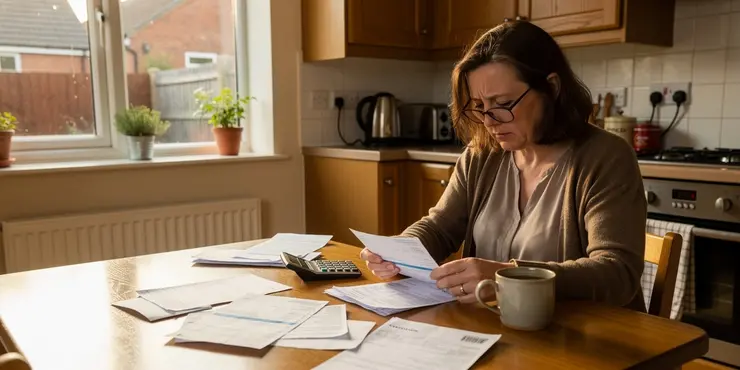
Recent statistics have unveiled an increasing sense of financial anxiety among UK households. A comprehensive survey conducted across the nation highlights the growing concerns over economic stability, largely impacted by inflation, rising interest rates, and the overall cost of living. The findings emphasize the need for addressing financial well-being among citizens, as more individuals report hardships in managing their finances effectively.
Key Findings
According to the survey, more than 60% of households feel less secure about their financial future compared to a year ago. The uncertainty is being fueled primarily by a notable increase in everyday expenses, including groceries, energy bills, and housing costs. Households with lower and middle incomes express the most significant levels of concern, often finding it increasingly challenging to make ends meet.
Impact of Inflation
One of the primary drivers of financial anxiety is inflation, which has seen a steady rise over the past few months. Inflation in the UK has surged beyond the Bank of England's target rate, affecting nearly every sector. As the cost of goods and services continues to climb, households are compelled to adjust their spending habits significantly. This economic pressure is felt most acutely by those on fixed incomes or without substantial savings to cushion these increases.
Economic Policies and Interest Rates
Interest rates, which have been on an upward trend, are another contributing factor. While higher rates are intended to curb inflation, they simultaneously increase borrowing costs for households. Mortgages, personal loans, and credit card debts have become more expensive, placing additional burdens on consumers already facing tight budgets. The survey suggests that a large portion of the population is now prioritizing debt management, sometimes at the expense of other essential expenses.
Cost of Living Crisis
The broader cost of living crisis, exacerbated by global supply chain disruptions and geopolitical tensions, is tightening its grip on UK households. Families report that essential items like food, fuel, and utility costs are absorbing a significant portion of their monthly income. This situation often forces families to make difficult choices, such as cutting back on non-essential spending or dipping into savings meant for emergencies.
Call to Action
Addressing the rising financial anxiety is essential for ensuring the economic stability and mental well-being of the population. Experts suggest that proactive steps such as financial education, access to counseling services, and policy interventions targeting affordability can help mitigate the impact. Governments and financial institutions are encouraged to work together to provide relief and support to those most affected, helping to alleviate short-term pressures and build long-term resilience.
More People Are Worried About Money
Many people in the UK are feeling more worried about money. A big survey showed that more families are concerned because of the high prices, more expensive loan payments, and high living costs. These worries mean we need to help people handle money better, as more people find it hard to manage their money.
What the Survey Found
The survey says over 60% of families feel less safe about their money now compared to last year. This worry comes from higher daily costs like food, electricity, and rent or mortgage payments. Families with less money feel the most worried. They find it hard to pay for everything they need.
Why Inflation Matters
Inflation means prices go up, and it is one main reason people worry about money. In the UK, prices are going up faster than normal. This makes buying things more costly. Families have to change how they spend money. This is very hard for people who don’t have extra savings or steady money from jobs.
Interest Rates and Money Worries
Interest rates have been rising too, which makes loans more costly. Higher interest rates are supposed to help lower inflation, but they also make it more expensive to borrow money. This means home loans, personal loans, and credit card bills cost more. Many people are now focused on paying off debts and might have to cut other spending.
Living Costs Are High
The high cost of living, due to problems with supplies and world events, is affecting UK families. Many families say most of their money goes to important things like food, petrol, and utilities. Because of this, they have to make tough choices, like spending less on fun things or using money from savings for emergencies.
What Can Be Done
Helping people worry less about money is important for everyone’s well-being. Experts say teaching people about money, giving them advice, and making things affordable can help. Governments and banks should work together to support people in need, helping them feel better now and stronger for the future.
Frequently Asked Questions
The survey reveals that financial anxiety is on the rise among UK households, with more families expressing concerns about their ability to manage finances.
Factors contributing to financial anxiety include rising living costs, economic uncertainty, and stagnant wages.
The data was collected through a national online survey targeting a representative sample of UK households.
The survey found that a significant percentage, approximately 60%, of households reported experiencing financial anxiety.
Yes, younger demographics and lower-income households tend to report higher levels of financial anxiety.
Financial anxiety can lead to stress, mental health issues, and can affect daily decision-making and overall quality of life.
Yes, the survey indicates a decline in savings rates as more households dip into savings to meet daily expenses.
Yes, the survey suggests that financial anxiety is more pronounced in certain regions, particularly in urban areas with higher living costs.
Households suggest solutions such as better budgeting, seeking financial advice, and policy measures to improve wages and lower costs.
The current economic environment, characterized by inflation and economic uncertainty, has exacerbated financial anxiety among households.
Yes, the survey highlights that high levels of debt significantly contribute to household financial anxiety.
The survey indicates that women report higher levels of financial anxiety compared to men, possibly due to disparities in income and financial responsibilities.
Uncertainty in employment prospects is a major factor increasing financial anxiety, as job security directly affects financial stability.
Households with better financial education and literacy report lower levels of financial anxiety, as they can better manage and plan their finances.
Sustained financial anxiety can have long-term implications, including deteriorating mental health and weakened financial resilience.
While younger adults report higher anxiety, older adults are also experiencing increased anxiety, primarily due to concerns about pensions and healthcare costs.
The survey recommends that policymakers address wage stagnation, provide financial education, and create programs to stabilize living costs.
The housing market, with rising rents and mortgage rates, is a significant factor contributing to financial anxiety.
Families are adjusting by cutting discretionary spending, seeking additional income sources, and prioritizing essential expenses.
Yes, financial anxiety is linked to physical health problems, as stress can lead to issues like hypertension and sleep disorders.
The survey shows that more people in the UK are worried about money. Families are finding it harder to handle their money.
To help understand this, you can:
- Use pictures or symbols to show money worries.
- Talk about money worries with someone you trust.
- Make a simple budget to track money coming in and going out.
Things that make people worried about money are:
- Prices going up for things we need.
- Not knowing if jobs and money will be there in the future.
- People not getting paid more money even though things cost more.
If you're worried about money, talking to someone you trust can help. You can also use a budget planner to see where your money goes.
We got the information by asking people questions on the internet. We asked different families in the UK.
The survey found that a lot of people, about 6 out of 10 families, feel worried about money.
Yes, young people and families with less money often worry more about their finances.
Worrying about money can make you feel stressed and upset. It can also make it hard to make good choices every day. This can make your life not as happy.
Yes, the survey shows that people are saving less money because they are using their savings to pay for things they need every day.
Yes, the survey says that people in some places worry more about money. This happens a lot in big cities where things cost more.
Families have some ideas:
- Make a plan for spending money wisely.
- Ask an expert for help with money.
- Make rules to help people earn more money and make things cheaper.
Right now, money worries are growing because prices are going up and people are unsure about the economy. This is making families feel more stressed about their finances.
Tools that can help include budgeting apps to keep track of spending, or talking to a financial advisor for advice. Techniques like deep breathing or talking to someone you trust can also help manage stress.
Yes, the study shows that having a lot of debt makes people worry about money at home.
The survey shows that women feel more worried about money than men. This could be because women often earn less money and have more money things to handle.
Not feeling sure about your job can make you worry more about money. If you know your job is safe, you feel better about money.
Families who understand money and how to use it have less stress about money. They can plan and take care of their money better.
Worrying a lot about money for a long time can be bad for your mental health. It can also make it harder to handle money problems in the future.
Younger people feel more worried. But older people feel worried too. They worry about money for retirement and paying for healthcare.
The survey suggests helping people in three ways:
- First, find ways to help people earn more money at work.
- Second, teach people how to manage their money better.
- Third, make sure basic living costs, like rent and food, do not go up too much.
Feeling worried about money can be caused by the cost of places to live. Rents and the money you pay to own a house are getting higher.
- Tools that can help: Budgeting apps to track spending.
- Techniques that can help: Talk to a money advisor for tips.
Families are trying new things to save money. They are:
- Buying fewer fun things
- Finding ways to earn more money
- Spending money on important things first
Tips to help:
- Use a budget app to track spending.
- Consider selling items you don't need.
- Look for local community resources for support.
Yes, feeling worried about money can make you sick. Stress from worrying can cause problems like high blood pressure and trouble sleeping.

Ergsy Search Results
This website offers general information and is not a substitute for professional advice.
Always seek guidance from qualified professionals.
If you have any medical concerns or need urgent help, contact a healthcare professional or emergency services immediately.
Some of this content was generated with AI assistance. We've done our best to keep it accurate, helpful, and human-friendly.
- Ergsy carefully checks the information in the videos we provide here.
- Videos shown by Youtube after a video has completed, have NOT been reviewed by ERGSY.
- To view, click the arrow in centre of video.
- Most of the videos you find here will have subtitles and/or closed captions available.
- You may need to turn these on, and choose your preferred language.
- Go to the video you'd like to watch.
- If closed captions (CC) are available, settings will be visible on the bottom right of the video player.
- To turn on Captions, click settings.
- To turn off Captions, click settings again.