
Get Answers
Understanding What a Mammogram Is
A mammogram is a specialized X-ray exam of the breast used to detect and diagnose breast diseases. It's an essential tool in early detection of breast cancer, often before symptoms occur. In the UK, women over 50 are typically invited to have a mammogram every three years as part of the National Health Service (NHS) Breast Screening Programme.
Eligibility for a Mammogram
In the UK, women between the ages of 50 and 71 are automatically invited for breast screening every three years. Women over 71 can request a screening appointment. If you're under 50 and concerned about your breast health, you might still be eligible for a mammogram, particularly if you have a strong family history of breast cancer or other risk factors. In these cases, your GP can refer you for more frequent screening.
How to Book a Mammogram
If you fall into the eligible category, you may receive an automatic invitation from the NHS when it’s time for your screening. The invitation will contain details on how to book your appointment. If you live in England and are eligible, you may be sent an appointment with a date, time, and location for your mammogram, and you have the option to reschedule if it's inconvenient.
If you haven’t received an invitation and think you’re due for a mammogram, you can contact your local breast screening unit. You can find contact information for your local unit on the NHS website. Search using the NHS breast screening service finder by entering your postcode.
Private Mammograms
In addition to NHS services, you have the option to book a mammogram privately. Private health clinics offer screening services that you can schedule directly. You do not need a referral for a private mammogram, but you'll have to cover the cost yourself. Compare prices and services offered by different private clinics to choose the best option for you.
Preparing for Your Mammogram
Before your appointment, you might need to follow a few preparation tips. On the day of the mammogram, avoid using deodorants, talcum powder, or lotions on your breasts or underarms, as these can interfere with the quality of the X-ray images. Wear a two-piece outfit since you’ll need to undress from the waist up. During the procedure, each breast will be compressed between two plates to get clear images.
After the Mammogram
Once your mammogram is complete, it may take a few weeks to receive the results. The NHS will send you your results by post. If your mammogram results show abnormalities, you might be called back for further tests. Remember, an abnormal result doesn’t always mean breast cancer; further tests will help provide a clear diagnosis.
What Is a Mammogram?
A mammogram is a special X-ray picture of the breast. It helps find breast diseases early. It is important for finding breast cancer before symptoms start. In the UK, women over 50 are usually asked to have a mammogram every three years as part of the NHS Breast Screening Programme.
Who Can Have a Mammogram?
In the UK, women aged 50 to 71 are invited for a breast check every three years. Women over 71 can ask for a screening appointment too. If you are under 50 and worried about your breast health, you might still be able to get a mammogram, especially if breast cancer runs in your family. Your doctor can help you get more frequent checks if needed.
How to Book a Mammogram
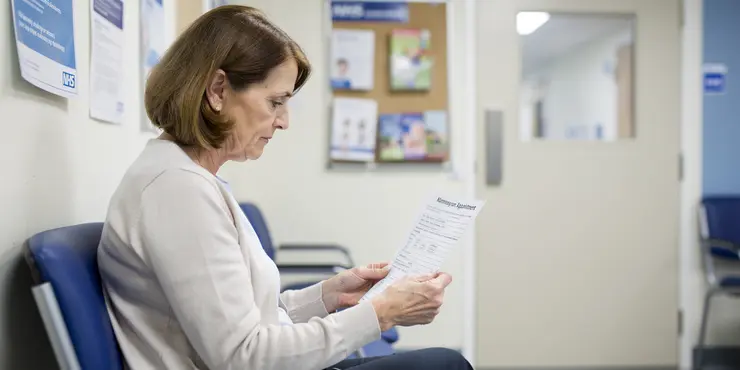
If you can have a mammogram, you might get an invitation from the NHS when it's time for your check. This invitation will tell you how to book your appointment. In England, you might get an appointment with a date, time, and place for your mammogram. You can change this if you need to. If you think you should have a mammogram but haven’t been invited, contact your local breast screening unit. You can find their contact details on the NHS website using the NHS breast screening service finder with your postcode.
Private Mammograms
Besides the NHS, you can pay for a private mammogram. Private clinics offer breast checks too. You don’t need a doctor’s note for a private mammogram, but you will have to pay for it yourself. Look at different private clinics to compare prices and services before choosing.
Getting Ready for Your Mammogram
Before your appointment, you might need to do a few things to get ready. On the day, don’t use deodorant, talcum powder, or lotion on your breasts or underarms. These can affect the X-ray images. Wear a two-piece outfit because you will need to undress from the waist up. During the check, each breast will be pressed between two plates to take clear pictures.
After the Mammogram
After your mammogram, it might take a few weeks to get your results. The NHS will mail them to you. If your results are not normal, you might need more tests. Remember, an abnormal result does not always mean you have breast cancer. More tests will help find out what is going on.
Frequently Asked Questions
A mammogram is an X-ray imaging method used to examine the breast for the early detection of cancer and other breast diseases.
Mammograms are important for early detection of breast cancer, which can lead to a higher rate of successful treatment and outcomes.
You can book a mammogram by contacting a hospital, clinic, or imaging center that offers mammography services. You may also need a referral from your doctor.
In many cases, you will need a referral from your healthcare provider, but some facilities offer self-referral mammograms.
Many healthcare facilities offer online appointment scheduling for mammograms through their websites or patient portals.
It's best to book as soon as possible, as availability can vary. Check with your chosen facility for specific availability.
It depends on your age and risk factors. Generally, women aged 40 and older are advised to have a mammogram every 1 to 2 years, but you should consult with your healthcare provider for personal recommendations.
Most health insurance plans, including Medicare, cover mammograms. Check with your insurance provider for specifics about coverage.
The cost of a mammogram without insurance can range from $100 to $250 on average, depending on the facility and location.
Yes, you can choose a facility that is convenient for you and is covered by your insurance, if applicable.
Bring a valid ID, your insurance card, and any prior mammogram images if applicable. Also bring your doctor's referral if required.
It’s best to avoid deodorants, perfumes, or powders on the day of the exam as they can affect the images. Wear a two-piece outfit for convenience.
Yes, men can have a mammogram if there is a medical indication, such as a lump or symptoms, often following a doctor's recommendation.
During a mammogram, your breast will be compressed between two plates to spread the tissue apart for a clear image. The process is quick and usually lasts about 20 minutes.
Yes, most facilities allow you to bring someone for support, but they will likely need to stay in the waiting area during the procedure.
If you're having difficulty finding an appointment, try different facilities, check for cancellations, or ask your doctor for assistance.
Contact the facility as soon as possible to reschedule. There may be a cancellation policy or fee depending on the facility.
Mammograms involve a small amount of radiation exposure, but the benefits usually outweigh the risks. Discuss concerns with your healthcare provider.
Some discomfort is common due to breast compression, but it should not be painful. You can communicate with the technician if it becomes uncomfortable.
Results are usually sent to you and/or your healthcare provider. It can take a week or more, depending on the facility.
A mammogram is a special picture of the inside of your breast. Doctors use it to find signs of cancer and other problems early.
Mammograms are tests that help find breast cancer early. Finding cancer early makes it easier to treat and get better.
You can book a special test called a mammogram. To do this, contact a hospital, clinic, or place that does picture scans. Your doctor might need to give you a note to book the test.
Here are some tips to help you:
- Ask a family member or friend to help you call the hospital or clinic.
- Write down questions you might have before you call.
- Use a computer or smartphone to look up places near you that do mammograms.
- Ask your doctor for more information or help with the referral note.
Sometimes, you need your doctor to say you can get a mammogram. But, some places let you ask for one yourself.
Lots of healthcare places let you book mammogram check-ups online. You can do this on their websites or through special patient areas online.
Book your place as soon as you can. Different places have different times available. Ask the place you picked for their times.
It depends on how old you are and if you have any health risks. Most women who are 40 years old or older should get a breast check-up called a mammogram every 1 or 2 years. It's good to talk to your doctor to know what is best for you.
Many health insurance plans, like Medicare, help pay for mammograms. Ask your insurance company to find out exactly what they will pay for.
The cost of getting a breast check-up, called a mammogram, can be between $100 and $250. This price is for people who do not have insurance. The exact price can change depending on the place you go to and where it is.
Yes, you can pick a place that is easy for you to get to. Make sure the place is also covered by your insurance if you have it.
Bring a photo ID that has your name on it, your health insurance card, and any old pictures from past breast check-ups if you have them. Also, bring a note from your doctor if they asked for one.
On the day of your exam, don't use deodorant, perfume, or powder. These things can change the pictures they need to take. Wear clothes that have two pieces, like a shirt and pants, to make it easier.
Yes, men can have a special test called a mammogram. This happens if a doctor thinks it is needed. For example, if there is a lump or other symptoms.
When you get a breast x-ray, your breast will be gently squeezed between two flat pieces. This helps take a clear picture of the inside of your breast. It doesn't take long—about 20 minutes.
Yes, you can usually bring someone with you for support. They might have to wait outside while you have your appointment.
If you are having trouble getting an appointment, try these steps.
1. Look at different places for your appointment.
2. Check if anyone has canceled their appointment. You might get their spot.
3. Ask your doctor to help you find an appointment.
Call the place as soon as you can to change the date. You might have to pay a fee if you cancel.
Mammograms use a tiny bit of radiation, but they are usually very helpful. Talk to your doctor if you are worried about it.
It is normal to feel a little squished when your breasts are pressed, but it should not hurt. If it starts to hurt, tell the person doing the test.
You will get your results in the mail or from your doctor. It might take a week or longer to arrive. This depends on the place doing the tests.

Ergsy Search Results
This website offers general information and is not a substitute for professional advice.
Always seek guidance from qualified professionals.
If you have any medical concerns or need urgent help, contact a healthcare professional or emergency services immediately.
Some of this content was generated with AI assistance. We've done our best to keep it accurate, helpful, and human-friendly.
- Ergsy carefully checks the information in the videos we provide here.
- Videos shown by Youtube after a video has completed, have NOT been reviewed by ERGSY.
- To view, click the arrow in centre of video.
- Most of the videos you find here will have subtitles and/or closed captions available.
- You may need to turn these on, and choose your preferred language.
- Go to the video you'd like to watch.
- If closed captions (CC) are available, settings will be visible on the bottom right of the video player.
- To turn on Captions, click settings.
- To turn off Captions, click settings again.