
Get Answers
Introduction
Keeping your house cool during a heatwave can be a challenge, especially in areas not accustomed to extreme temperatures, such as the UK. With climate change leading to more frequent and intense heatwaves, finding effective ways to shade your home is essential for comfort and energy efficiency. Various methods can be employed to cool your house and reduce the need for air conditioning.
Install Awnings
Awnings are a practical and effective way to provide shade over windows and patios. They block direct sunlight, especially during the hottest parts of the day. In the UK, retractable awnings are particularly useful as they can be adjusted based on the shifting weather, allowing for sunlight when needed and providing shade when the sun is too strong.
Use Blinds and Curtains
Keeping blinds and curtains closed during the hottest times of the day can significantly reduce indoor temperatures. Opt for blackout curtains or thermal blinds, which not only block light but also help insulate your rooms against the heat. Light-colored blinds reflect sunlight, further preventing heat absorption indoors.
Plant Trees and Shrubs
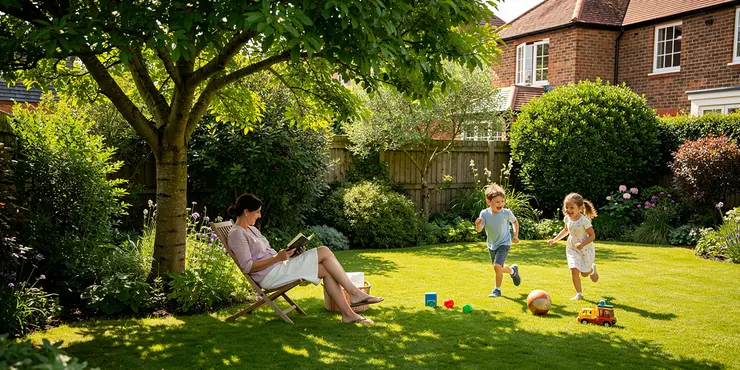
Strategically planting trees and shrubs around your house is a natural way to create shade. Deciduous trees, which lose their leaves in winter, are ideal as they offer shade during the summer and allow sunlight through during the colder months. Placing shrubs close to the house can protect lower walls from direct sunlight.
Install External Shades
External shades or shutters are another effective solution. These can be fitted outside windows to block sunlight before it hits the glass, reducing heat gain inside the home. Shutters that can be adjusted or louvers that can be tilted give you control over how much light and air enters your home.
Use Reflective Window Film
Applying reflective film to your windows is a cost-effective way to keep heat out. These films reduce the amount of infrared and ultraviolet light that passes through the glass, while still allowing visible light, helping keep your rooms cooler without sacrificing natural lighting.
Outdoor Structures
Building pergolas or trellises with climbing plants can provide ample shade for outdoor spaces adjacent to your house. These structures not only create cooler outdoor spaces but also help lower the temperature of walls they shade, indirectly cooling your home.
Conclusion
Implementing these shading techniques can make a significant difference in maintaining a cool home environment during a heatwave. Not only do they enhance comfort, but they also contribute to lowering energy consumption by reducing the need for mechanical cooling systems. With careful planning and consideration, you can effectively shade your home and enjoy a more pleasant living space during the UK's increasingly common heatwaves.
Introduction
It can be hard to keep your house cool during a heatwave, especially in places like the UK where it is not usually very hot. As the weather gets hotter, it is important to find ways to cool your home without using too much air conditioning. This helps you stay comfy and save energy. There are many ways to make your house cooler.
Install Awnings
Awnings are a good way to keep the sun out of your house. They cover windows and patios to stop the sun from coming in. This is very helpful when it is very hot. In the UK, you can use awnings that roll up and down. This lets you have sun when you want it and shade when you don't.
Use Blinds and Curtains
Close your blinds and curtains during the hottest parts of the day. This keeps your house cooler. Use blackout curtains or thermal blinds, as they keep both light and heat out. Light-colored blinds also help because they reflect sunlight away from your house.
Plant Trees and Shrubs
Planting trees and shrubs near your house is a natural way to get shade. Trees that lose their leaves in winter are good. They give shade in summer and let the sunlight in during winter. Shrubs close to the house can also keep the lower walls cool by blocking the sun.
Install External Shades
External shades or shutters can be put on the outside of windows. They stop the sun before it reaches the glass, keeping your home cooler. Some shutters can be moved to let you choose how much light and air come inside.
Use Reflective Window Film
Reflective window film is a cheap way to keep your house cool. This film stops heat from coming through the window while still letting in light. It helps keep rooms cooler without making them too dark.
Outdoor Structures
Building things like pergolas or trellises with plants that climb can create nice shade outside your house. These not only make the outdoor space cooler but also help to cool the walls of your house.
Conclusion
Using these ways to keep your house shaded can help a lot during a heatwave. It makes your home more comfortable and you won't need to use air conditioning as much. With some planning, you can keep your home cooler and make it a nicer place to be when it's hot in the UK.
Frequently Asked Questions
Installing exterior window shades or awnings is one of the most effective ways to shade your house.
Yes, planting trees strategically around your house can provide natural shade and help keep your home cool.
Yes, window films can reduce heat gain by blocking infrared rays while still allowing light in.
External blinds block sunlight before it enters the windows, significantly reducing heat gain.
Pergolas can provide shade over outdoor areas and reduce heat near windows and doors.
Yes, using thermal or blackout curtains and closing blinds during the day can reduce indoor temperatures.
Yes, adding a retractable canopy or climbing plants can enhance a pergola's shading ability.
Yes, reflective window tinting can deflect sunlight away from windows, reducing heat penetration.
Shade sails can effectively shade patios and windows, reducing heat gain inside the house.
Yes, they provide flexibility to control sunlight and can be retracted when not needed.
Deciduous trees are ideal as they provide shade in summer and allow sunlight in winter.
Yes, double or triple-glazed windows offer better insulation, helping keep the house cooler.
Yes, fast-growing vines can cover walls and provide effective shading, reducing heat absorption.
Reflective coatings can significantly reduce heat absorption through the roof, keeping the house cooler.
Roof overhangs can block direct sunlight from hitting windows, thus reducing heat gain.
Yes, exterior shutters can block sunlight, reducing heat entering the house.
Yes, verandas can provide substantial shading for outdoor spaces and nearby windows.
Consider the mature height and spread, and make sure to plant where they won't obstruct structures or power lines.
Yes, indoor plants can help cool the air through the process of transpiration.
Yes, light-colored paint reflects more sunlight, reducing heat absorption by the walls.
Putting up window shades or awnings outside your house is a great way to keep it cool.
Yes, planting trees in the right places near your house can give you shade. This can help keep your house cool.
Yes, window films can help keep a room cool. They stop the hot sun rays but let the light in.
External blinds stop sunlight from coming in through the windows. This helps keep your room cool.
Pergolas are special coverings outside. They give shade and make it cooler near windows and doors.
Yes, you can use special curtains called thermal or blackout curtains. Close the blinds during the day to make your home cooler.
Yes, you can add a roof that opens and closes or grow plants on a pergola to make more shade.
Yes, special window tinting can bounce sunlight away from windows. This helps keep the room cooler.
Shade sails can help keep patios and windows cool. This helps make the inside of the house cooler too.
Yes, you can use them to block the sun. When you don't need them, you can roll them up.
Some trees lose their leaves in winter. These are called deciduous trees. They are good because they give shade in the summer and let the sunlight through in the winter.
Yes, windows with two or three layers of glass are better. They help keep your house cool.
Yes, fast-growing plants that climb can cover walls. They help keep buildings cool by making shade and stopping heat from getting in.
Special roof paint can stop your house from getting too hot. This keeps your home nice and cool.
Roof edges that stick out can stop the sun from shining directly on windows. This helps keep the house cooler.
Yes, outside shutters can stop sunlight. This keeps the house cooler.
Yes, verandas can give lots of shade to places outside and windows close by.
Think about how big and wide the plant will get when it's grown up. Make sure to plant it where it won't get in the way of buildings or power lines.
Yes, plants inside your home can help make the air cooler. They do this by a process called transpiration, where they release water into the air.
Yes, light colors on walls can bounce back sunlight. This keeps the walls cooler because they soak up less heat.

Ergsy Search Results
This website offers general information and is not a substitute for professional advice.
Always seek guidance from qualified professionals.
If you have any medical concerns or need urgent help, contact a healthcare professional or emergency services immediately.
Some of this content was generated with AI assistance. We've done our best to keep it accurate, helpful, and human-friendly.
- Ergsy carefully checks the information in the videos we provide here.
- Videos shown by Youtube after a video has completed, have NOT been reviewed by ERGSY.
- To view, click the arrow in centre of video.
- Most of the videos you find here will have subtitles and/or closed captions available.
- You may need to turn these on, and choose your preferred language.
- Go to the video you'd like to watch.
- If closed captions (CC) are available, settings will be visible on the bottom right of the video player.
- To turn on Captions, click settings.
- To turn off Captions, click settings again.