
Get Answers
Understanding Heatwaves
Heatwaves are prolonged periods of excessively hot weather, which can pose significant health risks, particularly to children. In the UK, while heatwaves are less common than in some other countries, climate change has made such events more frequent and intense. Therefore, it's important for parents and guardians to know how to keep children safe when temperatures soar.
Stay Hydrated
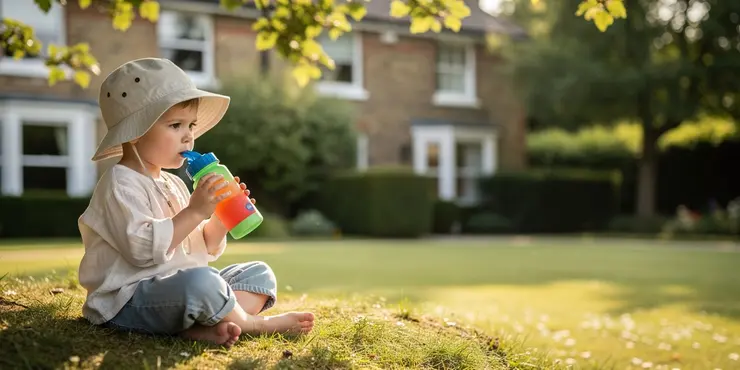
One of the most crucial steps to ensure children's safety during a heatwave is to keep them well-hydrated. Encourage children to drink water regularly, even if they do not feel thirsty. Try to avoid sugary drinks or those containing caffeine, as these can contribute to dehydration. Offering water-rich fruits and vegetables like watermelon, cucumber, and strawberries can also help maintain hydration.
Dress Appropriately
Dressing appropriately is vital to keeping children safe during a heatwave. Children should wear loose, lightweight, and light-colored clothing to help reflect the sun's rays. Natural fabrics like cotton are ideal as they are breathable and help keep the body cool. Additionally, ensure that children wear a wide-brimmed hat and sunglasses when outside to protect against sun exposure.
Limit Sun Exposure
Avoid going outdoors during the hottest parts of the day, typically between 11 a.m. and 3 p.m. If outside activities cannot be avoided, ensure children stay in the shade as much as possible and apply a high-factor sunscreen (SPF 30 or above) to protect their skin from harmful UV rays. Reapply sunscreen every two hours and after swimming or excessive sweating.
Keep Indoor Environments Cool
Ensure that indoor environments remain cool by keeping blinds or curtains closed during the hottest parts of the day to block out the sun. Using fans can help circulate air, making the environment more comfortable. Additionally, taking cool showers or baths can help lower children's body temperature. If you're using electrical devices like fans, make sure to follow safety precautions to avoid accidents.
Be Cautious of Heat-related Illnesses
Be vigilant for signs of heat-related illnesses such as heat exhaustion and heatstroke. Symptoms may include excessive sweating, dizziness, rapid heartbeat, headache, nausea, vomiting, and confusion. If a child shows any of these symptoms, seek medical attention immediately. Move them to a cooler place, give them water, and apply cool, damp cloths to their skin while waiting for assistance.
Plan Activities Carefully
During a heatwave, adjust your plans to suit the weather conditions. Opt for indoor activities in air-conditioned or well-ventilated spaces. If your children are involved in sports or other outdoor activities, ensure that these are conducted during cooler times of the day, and make sure they take plenty of breaks to drink water and cool down.
Conclusion
By taking these precautions, you can help ensure that children remain safe and comfortable during a heatwave. Staying informed about the weather forecast and any heatwave warnings issued by the authorities can also help you plan and take necessary actions to protect children's health.
Understanding Heatwaves
Heatwaves happen when it is very hot for a long time. This can be dangerous, especially for children. In the UK, heatwaves are happening more often now because of climate change. Parents should learn how to keep kids safe when it gets very hot.
Stay Hydrated
It is very important for children to drink water during a heatwave. Make sure they drink water often, even if they are not thirsty. Avoid sugary drinks and drinks with caffeine because they can make you more thirsty. Eating fruits like watermelon, cucumber, and strawberries can also help keep them hydrated.
Dress Appropriately
During a heatwave, children should wear loose, light clothes that are light in color. Cotton is a good choice because it is cool and comfortable. Make sure they wear a hat and sunglasses outside to stay safe from the sun.
Limit Sun Exposure
Try not to go outside when it's very hot, usually between 11 a.m. and 3 p.m. If you have to be outside, stay in the shade and use sunscreen with high SPF (like SPF 30 or more). Remember to put on more sunscreen every two hours and after swimming or sweating a lot.
Keep Indoor Environments Cool
Keep rooms cool by closing blinds or curtains to keep the sun out. Using fans can help make the air feel cooler. Taking cool baths or showers can help kids cool down too. Be careful when using fans and other devices to keep safe.
Be Cautious of Heat-related Illnesses
Watch out for signs of heat illnesses like heat exhaustion and heatstroke. These signs can include heavy sweating, feeling dizzy, fast heartbeat, headache, feeling sick, and confusion. If you see these signs, get help right away. Move the child to a cool place, give them water, and put a cool, wet cloth on their skin while waiting for help.
Plan Activities Carefully
During a heatwave, choose activities that can be done inside where it is cool. If kids are doing sports outside, do these when it's cooler and make sure they take breaks to drink water and cool down.
Conclusion
By following these tips, you can help keep kids safe and comfortable when it’s really hot. Stay informed about the weather and any heatwave warnings to make sure you can take the right actions to protect their health.
Frequently Asked Questions
Signs include heavy sweating, weakness, dizziness, headache, nausea or vomiting, and pale or clammy skin.
Encourage them to drink plenty of water regularly, even if they don’t feel thirsty, and avoid sugary or caffeinated drinks.
Lightweight, loose-fitting, and light-colored clothing is best as it helps keep children cool and allows sweat to evaporate.
It's best to avoid outdoor play during peak sun hours, typically between 10 a.m. and 4 p.m. Opt for morning or evening playtime instead.
Apply a broad-spectrum sunscreen with at least SPF 30 on exposed skin and reapply every two hours and after swimming or sweating.
Activities like reading, playing board games, or crafting are great for staying entertained indoors during high temperatures.
Regular cooling helps prevent heat-related illnesses by reducing body temperature. Use cool baths, wet towels, or fans for relief.
Fruits and vegetables with high water content, like watermelon, cucumbers, and oranges, are great choices to help stay hydrated.
Use fans, keep curtains closed during the day to block sunlight, and consider using a dehumidifier if humidity is high.
Yes, swimming is a great way to cool off, but ensure they are supervised and use sunscreen to prevent sunburn.
A wide-brimmed hat is ideal as it provides shade for the face, neck, and ears, offering better protection from the sun.
Every two hours, and also after swimming, sweating, or towel drying to maintain protection.
Move them to a cool place, remove excess clothing, apply cool water to skin, fan them, and seek medical attention immediately.
Fans can help circulate air but aren’t sufficient alone in severe heat. Combine with cool baths or damp towels for more effective cooling.
It varies by age, but encourage frequent small drinks throughout the day. Children should drink more than usual during a heatwave.
Children may benefit from napping in the coolest room of the house. Adjust times to ensure they are comfortable and able to rest.
Yes, applying ice packs wrapped in cloth to areas like the neck and wrists can help cool them down, but avoid direct skin contact.
Move them to a cool environment, encourage hydration, and monitor them closely. Seek medical help if their condition doesn’t improve.
Air conditioning is effective, but if unavailable, use fans in combination with cool showers and breathable clothing.
Yes, besides sunscreen, use sunglasses with UV protection and sun-protective clothing to further shield children from harmful rays.
Look out for these signs:
- Sweating a lot
- Feeling weak
- Getting dizzy
- Having a headache
- Feeling sick or throwing up
- Skin looks pale or feels wet and sticky
Ask them to drink lots of water every day. It’s good to drink water even if they are not thirsty. Try not to drink drinks with a lot of sugar or caffeine, like soda or coffee.
Clothes that are lightweight, loose, and light in color are best. They keep kids cool and let sweat dry off. This helps them stay comfortable.
Try not to play outside when the sun is very hot. This is usually between 10 in the morning and 4 in the afternoon. It is better to play outside in the morning or the evening when the sun is not so strong.
Put on sunscreen that protects from the sun's rays. Make sure it says SPF 30 or more. Cover all the skin that's not covered by clothes. Put more sunscreen on every two hours. Also put it on again after you swim or if you get sweaty.
When it’s really hot outside, you can have fun inside. You can read a book, play a board game, or make something with your hands. These are fun things to do indoors.
Keeping cool helps stop illnesses from getting too hot. Lower your body temperature by taking cool baths, using wet towels, or switching on fans.
Fruits and veggies with lots of water are good to eat. Try watermelon, cucumbers, and oranges to help keep you full of water.
Use fans to keep cool. Close curtains during the day to block the sun. If it feels wet or sticky inside, try using a dehumidifier.
Yes, swimming is a fun way to cool down. But always have an adult watch you. Don't forget to put sunscreen on to stop getting sunburnt.
A big hat with a wide brim is great. It gives shade to your face, neck, and ears. This helps keep you safe from the sun.
Put on more sunscreen every two hours. Also, put on more after swimming, sweating, or using a towel. This keeps your skin safe.
Take the person to a cool place. Take off extra clothes. Put cool water on their skin. Use a fan on them. Get a doctor to help right away.
Fans can help move air around. But when it is very hot, fans are not enough. You can also take cool baths or use wet towels to help you cool down better.
Children need to drink lots of water, especially when it is hot outside. Make sure they have little drinks often during the day. When it gets really hot, they should drink even more than normal. To help remember, try setting a timer or making a chart to check off each drink.
Children might sleep better in the coolest room in the house. Change nap times so they feel comfy and can rest well.
Yes, you can use ice packs wrapped in a cloth to cool down. Put them on your neck or wrists. Do not put the ice packs directly on your skin.
Take them to a cool place. Help them drink water. Watch them carefully. Call a doctor if they don't get better.
Air conditioning keeps us cool. If you don't have it, you can use fans. Take cool showers and wear loose clothes that let your skin breathe.
Yes, wear a hat, special clothes, and sunglasses to keep kids safe from the sun. Use sunscreen too.

Ergsy Search Results
This website offers general information and is not a substitute for professional advice.
Always seek guidance from qualified professionals.
If you have any medical concerns or need urgent help, contact a healthcare professional or emergency services immediately.
Some of this content was generated with AI assistance. We've done our best to keep it accurate, helpful, and human-friendly.
- Ergsy carefully checks the information in the videos we provide here.
- Videos shown by Youtube after a video has completed, have NOT been reviewed by ERGSY.
- To view, click the arrow in centre of video.
- Most of the videos you find here will have subtitles and/or closed captions available.
- You may need to turn these on, and choose your preferred language.
- Go to the video you'd like to watch.
- If closed captions (CC) are available, settings will be visible on the bottom right of the video player.
- To turn on Captions, click settings.
- To turn off Captions, click settings again.