
Get Answers
Understanding Your Plants' Needs
During a heatwave, plants face increased stress due to the high temperatures and the rapid evaporation of moisture from both the soil and their leaves. Understanding your plants' specific needs is crucial. Some plants, like succulents, are naturally more drought-tolerant, while others, such as many leafy vegetables, require more consistent moisture.
Watering Techniques
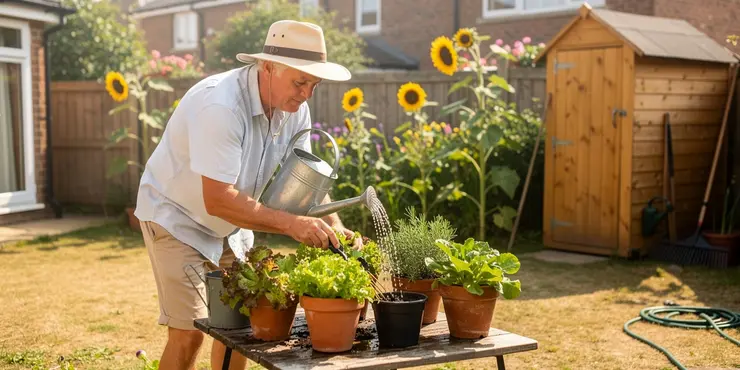
Watering is the most crucial aspect of keeping plants alive during a heatwave. Water your plants deeply and less frequently to encourage deep root growth. It's best to water either early in the morning or late in the evening to minimize evaporation loss. Consider using a soaker hose or drip irrigation system to provide consistent moisture directly to the soil.
Mulching
Applying mulch is a highly effective way to retain soil moisture and reduce soil temperature. Organic mulches, such as straw, wood chips, or grass clippings, are excellent choices. A layer of mulch several inches thick can significantly reduce evaporation, keep the soil cooler, and even suppress weeds that compete for water.
Providing Shade
During the peak of a heatwave, sensitive plants can benefit from some temporary shading. Shade cloth, old bedsheets, or even garden umbrellas can provide relief. Position these coverings in a way that offers protection from the harsh afternoon sun, while still allowing for adequate air circulation to prevent overheating.
Soil and Pot Considerations
If your plants are in pots or containers, keep in mind that these can heat up very quickly. Consider moving pots out of direct sunlight and into a more shaded area. Additionally, selecting pots with lighter colors can reflect more sunlight and heat. Ensure your soil is rich in organic matter, which retains moisture more effectively.
Monitoring and Adjusting
During a heatwave, frequent checks on your plants are necessary. Look for signs of wilting, sunburn, or stress, and adjust your care accordingly. Be ready to increase watering frequency or provide additional shading if needed. Adaptability is key in responding to the changing conditions a heatwave brings.
Conclusion
Keeping your plants healthy during a heatwave requires a combination of proactive measures and careful observation. By ensuring proper watering, mulching, shading, and attention to container plants, you can significantly improve your plants' resilience to extreme heat. With these strategies, your garden can remain a vibrant and thriving sanctuary, even amid soaring temperatures.
Understanding Your Plants' Needs
During a heatwave, it gets really hot and plants can get stressed. They lose water from the soil and their leaves. Some plants, like cacti, can handle dry weather. Others, like lettuce, need lots of water. Know what your plants need.
Watering Techniques
Giving your plants water is very important. Water them well, but not too often, so their roots grow deep. The best times to water are in the morning or evening when it's cooler. Using a hose that drips water slowly or a system that drips water can help keep the soil wet.
Mulching
Put mulch on the soil to help keep it wet and cool. Use things like straw, wood bits, or grass pieces. Mulch stops water from drying out, keeps the soil cool, and stops weeds from taking water.
Providing Shade
When it's very hot, use shade to help your plants. You can use cloth, old sheets, or umbrellas to shade them. Make sure air can still flow around the plants so they don't get too hot.
Soil and Pot Considerations
If you have plants in pots, they can heat up fast. Move them to a shady spot. Use light-colored pots to reflect heat. Use soil that's rich and holds water well.
Monitoring and Adjusting
Check your plants often during a heatwave. Look for signs like wilting or burning. Be ready to water more or give more shade if needed. Be ready to change what you do if the plants need it.
Conclusion
To keep plants healthy during a heatwave, you need to plan and watch them. Water them well, use mulch, give them shade, and check potted plants. These steps can help your garden stay nice and healthy, even when it's very hot outside.
Frequently Asked Questions
Move potted plants to shaded areas and provide temporary shading for garden plants using umbrellas or shade cloths.
Yes, increase watering frequency but water deeply in the early morning or late evening to reduce evaporation.
Yes, mulch helps retain soil moisture and keeps the roots cooler.
Organic mulches like straw, wood chips, or bark are effective in retaining moisture and insulating soil.
Look for signs such as wilting, leaf scorch, or yellowing leaves.
Avoid fertilizing as it can increase stress; focus on hydration and shade instead.
Misting can help increase humidity, but it's not a substitute for proper watering.
Some plants, especially those not native to hot climates, are more susceptible to heat stress.
Place a tray of water near the plants or use a humidifier to increase humidity.
Provide shade with tarps, shade cloths, or create a temporary structure to block direct sunlight.
Yes, some plants may shed leaves to conserve water during extreme heat.
Water deeply but infrequently, ensuring the soil dries out completely between watering to prevent root rot.
Yes, materials like aluminum foil can help reflect sunlight away from plants and reduce heat absorption.
Avoid heavy pruning during a heatwave as it can stress the plants further.
Provide shade, keep them well-watered, and consider using a protective cover to shield them from the heat.
Yes, it provides consistent moisture at the roots and reduces water waste.
Water early in the morning or late in the evening when temperatures are cooler to reduce evaporation.
Wet leaves can lead to scorching and facilitate disease in high temperatures.
Yes, grouping plants can help create a microclimate that retains moisture and provides shade for each other.
Keep the soil consistently moist and use mulch to protect it from direct sun exposure.
Put potted plants in the shade. You can use umbrellas or shade cloths to give garden plants some shade.
Yes, give plants more water often. Water them a lot in the morning or evening so the water does not dry up fast.
Yes, mulch helps the soil stay wet and keeps plant roots cool.
Organic mulches, like straw, wood chips, or bark, help keep water in the ground and keep the soil warm.
Look for signs like leaves bending down, leaves turning brown, or leaves turning yellow.
Don't use plant food because it can cause stress. Give plants water and keep them in the shade instead.
Spraying water in the air can make it more wet, but it is not the same as giving the plant a drink of water.
Some plants, especially ones that do not come from hot places, can get upset by too much heat.
Put a tray of water next to the plants or use a machine called a humidifier to make the air wetter.
Make shade with large sheets, special sun-blocking cloths, or build something small to keep the sun away.
Yes, some plants might drop their leaves to save water when it's really hot.
Give plants a lot of water, but not too often. Let the soil get dry before you water again. This helps stop the roots from getting sick.
Yes, things like aluminum foil can bounce sunlight away from plants. This helps keep plants cooler.
Do not cut your plants too much when it is very hot. This can make them more tired and weak.
Give plants shade so they don't get too hot. Make sure they have plenty of water. You can also use a cover to protect them from the sun.
Yes, it gives the roots water all the time and saves water.
Water your plants when it is cool. It's best to do this early in the morning or late in the evening. This way, water doesn’t dry up too fast.
Wet leaves can burn and get sick if it is hot outside.
Yes, putting plants close together can help them stay cool and keep the water in the soil. They can also give each other shade.
Keep the soil wet, not too dry. You can use mulch to cover the soil and keep it cool from the sun.

Ergsy Search Results
This website offers general information and is not a substitute for professional advice.
Always seek guidance from qualified professionals.
If you have any medical concerns or need urgent help, contact a healthcare professional or emergency services immediately.
Some of this content was generated with AI assistance. We've done our best to keep it accurate, helpful, and human-friendly.
- Ergsy carefully checks the information in the videos we provide here.
- Videos shown by Youtube after a video has completed, have NOT been reviewed by ERGSY.
- To view, click the arrow in centre of video.
- Most of the videos you find here will have subtitles and/or closed captions available.
- You may need to turn these on, and choose your preferred language.
- Go to the video you'd like to watch.
- If closed captions (CC) are available, settings will be visible on the bottom right of the video player.
- To turn on Captions, click settings.
- To turn off Captions, click settings again.