

Find Help
More Items From Ergsy search
-
Do over-the-counter medications help in preventing heart attacks and strokes?
Relevance: 100%
-
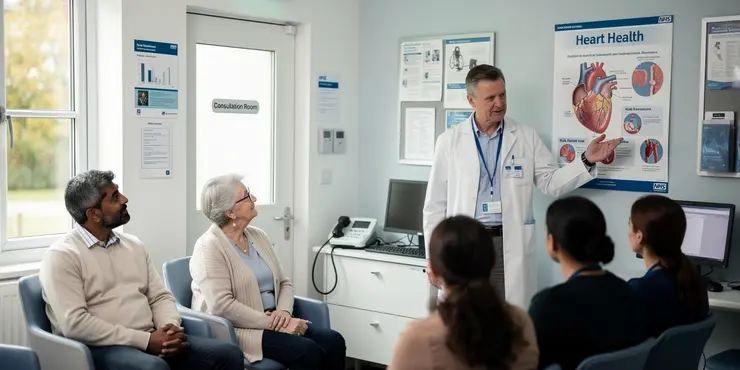
Do all patients need medication to prevent heart attacks and strokes?
Relevance: 76%
-

What is the role of lifestyle modification in heart attack and stroke prevention?
Relevance: 69%
-
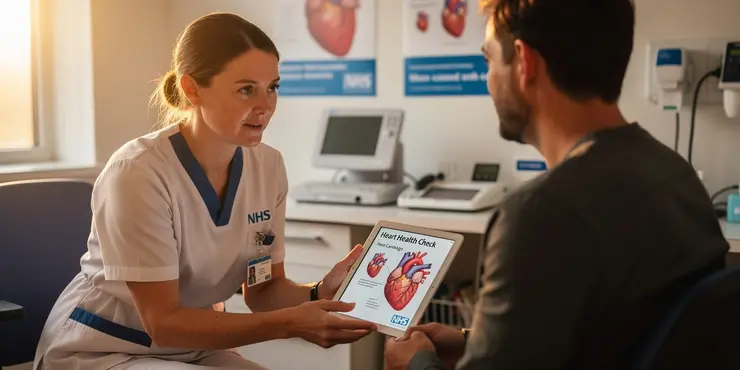
Is it possible to prevent a heart attack?
Relevance: 56%
-

When should one start taking medication for heart attack prevention?
Relevance: 55%
-
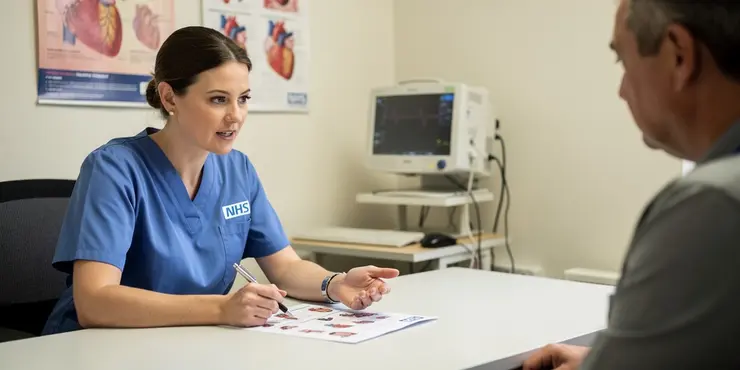
How do beta-blockers contribute to heart attack prevention?
Relevance: 50%
-

What drugs can reduce the risk of heart-attack and strokes?
Relevance: 50%
-
Are there any recent advancements in medications for stroke prevention?
Relevance: 49%
-

Do calcium channel blockers help in preventing heart attacks?
Relevance: 48%
-
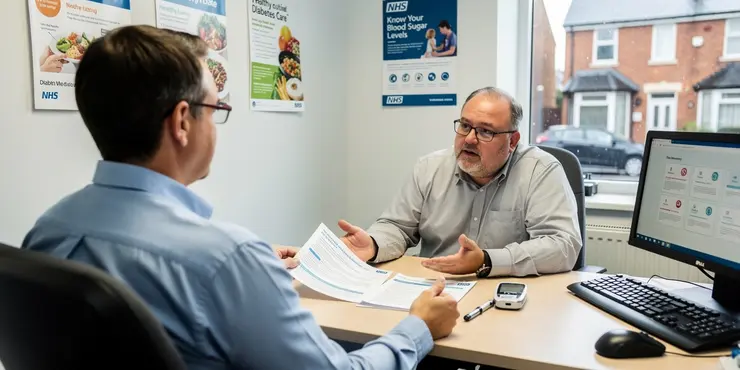
Can diabetes medications also help reduce heart attack risk?
Relevance: 48%

-

Heart Attack Stories | NHS
Relevance: 47%
-

Heart Attack Stories | NHS
Relevance: 47%
-
What are the risk factors for a heart attack?
Relevance: 46%
-
How can I differentiate between heartburn and a heart attack?
Relevance: 45%
-

What are the long-term effects of a heart attack?
Relevance: 44%
-
What is the role of PCSK9 inhibitors in heart attack prevention?
Relevance: 44%
-
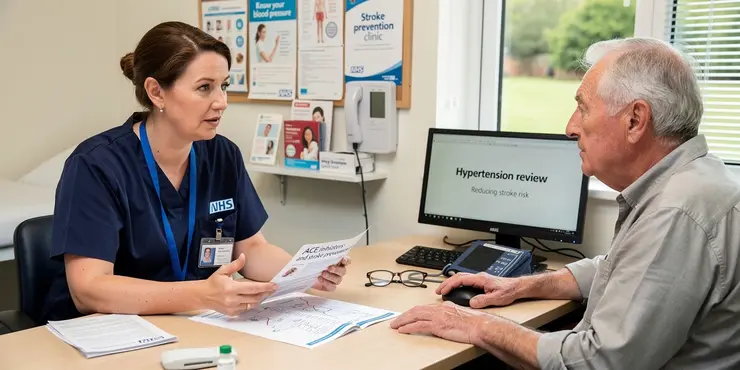
What role do ACE inhibitors play in stroke prevention?
Relevance: 43%
-

Are heart attack symptoms different for people with diabetes?
Relevance: 43%
-
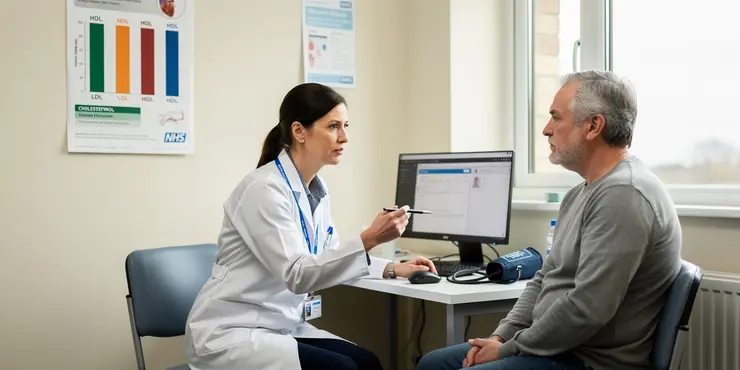
What drugs are commonly prescribed to reduce the risk of heart attacks?
Relevance: 43%
-
Can physical exertion trigger a heart attack?
Relevance: 42%
-

Is it possible to have a heart attack without chest pain?
Relevance: 42%
-

Can heart attack symptoms vary by age?
Relevance: 41%
-
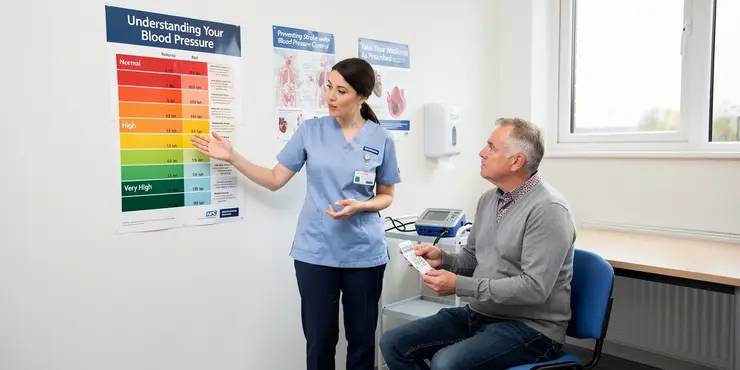
Can antihypertensive medications reduce stroke risk?
Relevance: 41%
-

Heart attack care - Raigmore Hospital Inverness, NHS Highland
Relevance: 41%
-

Heart Attack Symptoms - Help Us Help You | NHS
Relevance: 40%
-

What should I do if I'm experiencing heart attack symptoms?
Relevance: 40%
-

Can aspirin help in reducing the risk of strokes?
Relevance: 40%
-

How long do heart attack symptoms usually continue?
Relevance: 40%
-

Heart Attack Symptoms - Peter Dale (Tubes) | NHS
Relevance: 40%
-
Heart Attack Symptoms - Peter Dale (Tubes) | NHS - BSL version
Relevance: 39%
-
Can women have different heart attack symptoms than men?
Relevance: 37%
-

Medicines of the heart
Relevance: 37%
-

How can asthma attacks be prevented?
Relevance: 36%
-

Can lifestyle changes reduce the need for medication for heart disease prevention?
Relevance: 35%
-

Can heart failure be prevented?
Relevance: 34%
-

NHS Forth Valley’s Stroke Team
Relevance: 34%
-
Are there any natural supplements that can help prevent heart attacks?
Relevance: 34%
-

Assessing the stroke patient
Relevance: 33%
-
NHS Here for You – Stroke
Relevance: 32%
-

When Stroke Strikes Act F.A.S.T. | NHS
Relevance: 31%
Introduction to Over-the-Counter Medications
Over-the-counter (OTC) medications are drugs that can be purchased without a prescription. They are often used to treat minor health issues like headaches or colds. However, many people wonder if OTC medications can aid in the prevention of serious conditions like heart attacks and strokes.
In the UK, a range of OTC options is available for various ailments. It's essential to understand their potential impact on heart disease and stroke risk.
Aspirin and Its Role in Heart Health
Aspirin is one of the most well-known OTC medications that can affect heart health. It is an anti-inflammatory that can also thin the blood. This property has led some to consider it for the prevention of heart attacks and strokes.
Low-dose aspirin therapy is sometimes recommended by healthcare professionals for individuals at high risk of cardiovascular events. However, it should not be self-prescribed, as it can cause side effects like stomach bleeding.
Potential Benefits and Risks
Though studies show that aspirin can lower the risk of subsequent heart attacks, its role in primary prevention is debated. For individuals without prior heart issues, the risks might outweigh the benefits.
Unsupervised use of aspirin can lead to complications. It is crucial to consult with a healthcare provider for personalised advice on its usage.
Other OTC Options
In addition to aspirin, several OTC supplements claim to support heart health. Omega-3 fatty acids, found in fish oil supplements, are one example. They can help manage cholesterol levels, contributing to cardiovascular health.
However, the effectiveness of these supplements can vary. It is important to rely on robust scientific evidence and seek guidance before adding them to your routine.
The Importance of Lifestyle Choices
Relying solely on OTC medications is not an effective strategy for preventing heart attacks or strokes. A heart-healthy lifestyle is fundamental for risk reduction.
Regular exercise, a balanced diet, and avoiding smoking and excessive alcohol can significantly lower risks. OTC medications should complement, not replace, these essential lifestyle factors.
Consulting Healthcare Professionals
If you are concerned about your heart health, discussing potential preventative measures with a healthcare provider is crucial. They can offer tailored advice based on your personal risk factors and needs.
In summary, while OTC medications like aspirin can play a role in heart health, they are not a standalone solution. Informed decisions, guided by medical advice, are paramount to effectively managing and preventing heart conditions.
Frequently Asked Questions
Can over-the-counter medications prevent heart attacks?
Over-the-counter medications are not typically recommended for preventing heart attacks. Prescription medications and lifestyle changes are more effective for prevention.
Do over-the-counter medications help in preventing strokes?
Over-the-counter medications are not usually used for stroke prevention. It's important to consult with a healthcare provider for appropriate treatment.
Can aspirin help in preventing heart attacks?
Aspirin is sometimes recommended for certain individuals at risk of heart attacks, but you should consult a doctor before using it for prevention.
Is it safe to take aspirin daily to prevent heart attacks?
Daily aspirin use can be beneficial for some people but may have risks. A healthcare provider should be consulted before starting daily aspirin therapy.
Can aspirin reduce the risk of a stroke?
Aspirin can reduce the risk of certain types of strokes, but medical advice is necessary before starting an aspirin regimen.
Are there any over-the-counter supplements that prevent heart attacks?
Some supplements claim cardiovascular benefits, but evidence is mixed. It's important to get advice from a healthcare provider.
Can omega-3 supplements help prevent heart attacks?
Omega-3 supplements may help lower triglycerides, but their effect on preventing heart attacks is not conclusive. Discuss with a doctor for personalized advice.
Is taking fish oil a good way to prevent strokes?
Fish oil may offer some heart health benefits, but its role in preventing strokes is unclear. Consult with a healthcare provider for guidance.
Should I self-medicate with over-the-counter drugs to prevent heart disease?
Self-medicating for heart disease prevention is not recommended. Seek professional medical advice for effective prevention strategies.
Can over-the-counter pain relievers prevent cardiovascular events?
Pain relievers like ibuprofen or acetaminophen are not intended for preventing cardiovascular events and should not be used for this purpose.
Are there risks associated with taking over-the-counter medications for heart health?
Yes, there can be risks such as interactions with other medications and side effects. Always consult a healthcare provider before taking any medication for heart health.
Can taking vitamins help prevent heart attacks and strokes?
No strong evidence supports that taking vitamins alone can prevent heart attacks or strokes. A healthy diet and lifestyle are more effective.
Is there any benefit in taking low-dose aspirin without a prescription for heart health?
Low-dose aspirin can benefit some individuals, but it's important to get a doctor's approval, as it can also increase bleeding risk.
How effective are lifestyle changes compared to over-the-counter medications in preventing heart attacks?
Lifestyle changes like diet, exercise, and quitting smoking are highly effective for prevention compared to over-the-counter medications.
What role do chloride medications play in heart health?
Over-the-counter chloride medications are not typically used in managing heart health. Consult with a healthcare provider for appropriate treatments.
Are there over-the-counter alternatives to statins for cholesterol management?
Over-the-counter supplements like red yeast rice claim to lower cholesterol but are not a substitute for statins. Professional guidance is important.
Is the use of herbal supplements effective in preventing cardiovascular diseases?
There is limited evidence supporting herbal supplements in preventing cardiovascular diseases. Professional medical advice is recommended.
Are there any over-the-counter options to reduce hypertension-related stroke risk?
While some OTC options claim to help, effective management of hypertension to reduce stroke risk usually requires prescription medications and lifestyle changes.
Should I be concerned about drug interactions with over-the-counter medications and my heart medication?
Yes, drug interactions can occur. Always check with a healthcare provider or pharmacist before combining OTC medications with prescription heart medications.
What is the best way to prevent heart attacks and strokes?
The best prevention involves a combination of a healthy lifestyle, regular check-ups, and, when necessary, appropriate prescription medications as advised by a healthcare provider.

Useful Links
This website offers general information and is not a substitute for professional advice.
Always seek guidance from qualified professionals.
If you have any medical concerns or need urgent help, contact a healthcare professional or emergency services immediately.
Some of this content was generated with AI assistance. We’ve done our best to keep it accurate, helpful, and human-friendly.
- Ergsy carfully checks the information in the videos we provide here.
- Videos shown by Youtube after a video has completed, have NOT been reviewed by ERGSY.
- To view, click the arrow in centre of video.
- Most of the videos you find here will have subtitles and/or closed captions available.
- You may need to turn these on, and choose your preferred language.
- Go to the video you'd like to watch.
- If closed captions (CC) are available, settings will be visible on the bottom right of the video player.
- To turn on Captions, click settings .
- To turn off Captions, click settings again.
More Items From Ergsy search
-
Do over-the-counter medications help in preventing heart attacks and strokes?
Relevance: 100%
-
Do all patients need medication to prevent heart attacks and strokes?
Relevance: 76%
-
What is the role of lifestyle modification in heart attack and stroke prevention?
Relevance: 69%
-
Is it possible to prevent a heart attack?
Relevance: 56%
-
When should one start taking medication for heart attack prevention?
Relevance: 55%
-
How do beta-blockers contribute to heart attack prevention?
Relevance: 50%
-
What drugs can reduce the risk of heart-attack and strokes?
Relevance: 50%
-
Are there any recent advancements in medications for stroke prevention?
Relevance: 49%
-
Do calcium channel blockers help in preventing heart attacks?
Relevance: 48%
-
Can diabetes medications also help reduce heart attack risk?
Relevance: 48%
-
Heart Attack Stories | NHS
Relevance: 47%
-
Heart Attack Stories | NHS
Relevance: 47%
-
What are the risk factors for a heart attack?
Relevance: 46%
-
How can I differentiate between heartburn and a heart attack?
Relevance: 45%
-
What are the long-term effects of a heart attack?
Relevance: 44%
-
What is the role of PCSK9 inhibitors in heart attack prevention?
Relevance: 44%
-
What role do ACE inhibitors play in stroke prevention?
Relevance: 43%
-
Are heart attack symptoms different for people with diabetes?
Relevance: 43%
-
What drugs are commonly prescribed to reduce the risk of heart attacks?
Relevance: 43%
-
Can physical exertion trigger a heart attack?
Relevance: 42%
-
Is it possible to have a heart attack without chest pain?
Relevance: 42%
-
Can heart attack symptoms vary by age?
Relevance: 41%
-
Can antihypertensive medications reduce stroke risk?
Relevance: 41%
-
Heart attack care - Raigmore Hospital Inverness, NHS Highland
Relevance: 41%
-
Heart Attack Symptoms - Help Us Help You | NHS
Relevance: 40%
-
What should I do if I'm experiencing heart attack symptoms?
Relevance: 40%
-
Can aspirin help in reducing the risk of strokes?
Relevance: 40%
-
How long do heart attack symptoms usually continue?
Relevance: 40%
-
Heart Attack Symptoms - Peter Dale (Tubes) | NHS
Relevance: 40%
-
Heart Attack Symptoms - Peter Dale (Tubes) | NHS - BSL version
Relevance: 39%
-
Can women have different heart attack symptoms than men?
Relevance: 37%
-
Medicines of the heart
Relevance: 37%
-
How can asthma attacks be prevented?
Relevance: 36%
-
Can lifestyle changes reduce the need for medication for heart disease prevention?
Relevance: 35%
-
Can heart failure be prevented?
Relevance: 34%
-
NHS Forth Valley’s Stroke Team
Relevance: 34%
-
Are there any natural supplements that can help prevent heart attacks?
Relevance: 34%
-
Assessing the stroke patient
Relevance: 33%
-
NHS Here for You – Stroke
Relevance: 32%
-
When Stroke Strikes Act F.A.S.T. | NHS
Relevance: 31%