
Get Answers
Understanding Heart Attacks
A heart attack, also known as a myocardial infarction, occurs when the blood supply to a part of the heart is blocked, usually by a blood clot. This blockage can damage or destroy part of the heart muscle, potentially leading to severe complications or even death. Heart attacks are a leading health concern in the UK, but there are several ways to potentially prevent one.
Lifestyle Changes
One of the most effective ways to prevent a heart attack is through making healthy lifestyle changes. Regular physical activity, such as walking, cycling, or swimming, can significantly reduce the risk by improving heart health and reducing blood pressure. Eating a balanced diet that is low in saturated fats, high in fibre, and rich in fruits and vegetables can also help manage cholesterol levels and support a healthy heart.
Quit Smoking
Smoking is a major risk factor for heart attacks. Tobacco smoke contains chemicals that can damage blood vessels and lead to atherosclerosis—a condition where arteries become clogged with fatty substances. Quitting smoking can improve heart health and reduce the risk of a heart attack. Even if a person has been smoking for years, stopping now can decrease the likelihood of cardiovascular diseases.
Monitor and Manage Blood Pressure
Hypertension, or high blood pressure, is another significant risk factor for heart attacks. It's essential to regularly monitor blood pressure and take necessary steps to maintain it within a healthy range. This can include dietary changes, regular exercise, reducing salt intake, and, if prescribed, taking medication to control blood pressure levels.
Control Diabetes
Diabetes, particularly type 2 diabetes, increases the risk of a heart attack. High blood sugar levels can damage blood vessels over time, leading to cardiovascular issues. Managing diabetes through medication, diet, and exercise is vital in preventing heart complications. Regular check-ups with a healthcare professional can help keep diabetes under control.
Regular Check-ups
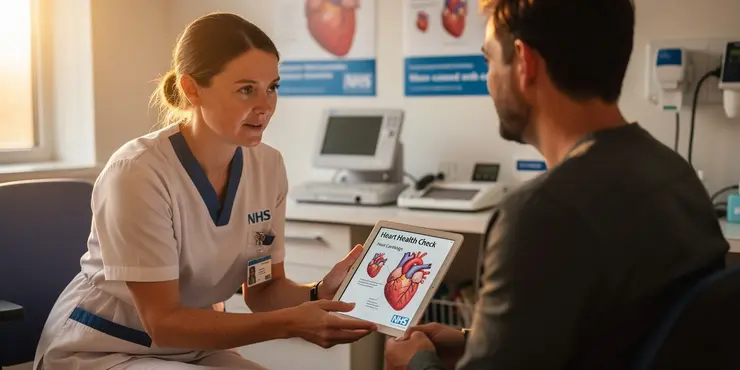
Regular health screenings play a crucial role in preventing heart attacks. These check-ups can help in early detection and treatment of risk factors like high cholesterol and hypertension. In the UK, the NHS provides a free health check for adults aged 40-74 to assess heart disease risk and other health issues, which is an excellent opportunity to get professional advice on maintaining heart health.
Conclusion
While it might not be possible to eliminate the risk of a heart attack entirely, taking proactive steps can significantly reduce the likelihood. By adopting a healthier lifestyle, monitoring health conditions, and utilizing available healthcare services, individuals in the UK can play an active role in protecting their heart health and improving overall well-being.
What is a Heart Attack?
A heart attack happens when blood can't reach a part of the heart. This usually happens because a blood clot blocks the way. This block can hurt the heart and can be very serious. Heart attacks happen a lot in the UK, but there are ways to stop them.
Change Your Lifestyle
You can help stop a heart attack by being healthy. Doing exercise like walking, biking, or swimming can help your heart stay strong. Eating healthy foods like fruits, vegetables, and foods with lots of fiber can help too. Try to eat less fat.
Stop Smoking
Smoking is bad for your heart. It puts bad things in your blood that can block blood flow. If you smoke, stopping can help your heart. Stopping now can still help you even if you smoked a lot before.
Check Your Blood Pressure
High blood pressure can lead to heart attacks. It's important to keep checking your blood pressure. You can lower it by eating healthy, doing exercise, eating less salt, and sometimes taking medicine if your doctor says to.
Manage Diabetes
Diabetes can make having a heart attack more likely. High sugar in your blood can hurt your blood vessels. If you have diabetes, taking medicine, eating well, and doing exercise can help. See your doctor often to keep it under control.
Regular Health Check-ups
Going to the doctor can help stop heart attacks. Doctors can find problems like high cholesterol early. In the UK, people aged 40-74 can get a free check-up. This can help you learn more about keeping your heart healthy.
Conclusion
We can't completely stop heart attacks, but we can make them less likely. By living healthier, checking our health, and using health services, people in the UK can help protect their hearts and feel better overall.
Frequently Asked Questions
Yes, many heart attacks can be prevented through lifestyle changes and management of heart disease risk factors.
Losing weight, eating a healthy diet, exercising regularly, and quitting smoking are key lifestyle changes.
Eating a diet low in saturated fats, trans fats, cholesterol, and sodium, and high in fruits, vegetables, and whole grains can reduce heart attack risk.
Yes, regular physical activity strengthens the heart and improves circulation, reducing the risk of a heart attack.
Smoking damages the arteries, raises blood pressure, and reduces oxygen flow to the heart, increasing heart attack risk.
High blood pressure can damage arteries, leading to blockages that can cause a heart attack.
Yes, maintaining healthy cholesterol levels reduces the risk of plaque buildup in the arteries.
Diabetes can damage blood vessels and nerves, increasing the risk of heart disease and heart attacks.
Yes, managing stress through relaxation techniques can reduce its impact on the heart and lower risk.
Moderate alcohol consumption may offer some heart benefits, but excessive drinking increases heart attack risk.
Obesity is a major risk factor as it can lead to high blood pressure, diabetes, and unhealthy cholesterol levels.
A family history of heart disease can increase an individual's risk, emphasizing the need for risk factor management.
Yes, medications like statins, blood pressure medicines, and aspirin can help reduce heart attack risk in some individuals.
Regular check-ups can help monitor heart health and risk factors, leading to early intervention and prevention.
Poor sleep quality or sleep apnea can increase heart attack risk, making good sleep hygiene important.
Keeping blood sugar levels in control reduces the risk of heart disease for both diabetics and non-diabetics.
Tests like cholesterol panels, blood pressure checks, and heart imaging tests can evaluate risk.
Yes, the Mediterranean diet is rich in heart-healthy foods like fruits, vegetables, whole grains, and healthy fats.
Chronic inflammation can contribute to artery damage, increasing the risk of heart attacks.
Weight loss can reduce many risk factors like high blood pressure and cholesterol, significantly lowering risk.
Yes, we can stop many heart attacks if we change the way we live and take care of our heart health.
If you want to be healthier, try these things:
- Lose some weight if you can.
- Eat healthy food like fruits and veggies.
- Do exercises like walking or playing.
- Stop smoking if you smoke.
These changes can make you feel better and stronger. You can use apps or ask friends and family to help you stick to these habits. You can also set small goals to make changes easier. Start with one thing at a time and keep trying!
Eating healthy foods can help your heart. Try to eat less of these:
- Bad fats like saturated fats and trans fats
- Cholesterol
- Salt
Eat more of these good foods:
- Fruits
- Vegetables
- Whole grains like brown rice and oats
This helps keep your heart strong and can lower the chance of a heart attack.
Yes, exercising regularly makes your heart stronger and helps your blood move around your body better. This means you are less likely to have a heart attack.
Smoking hurts the tubes that carry blood in your body. It makes your blood pressure go up and stops your heart from getting enough oxygen. This can cause a heart attack.
High blood pressure can hurt your arteries. This can block them and lead to a heart attack.
It is good to keep your cholesterol low. This helps stop sticky stuff from blocking your blood pipes.
Diabetes can hurt your blood vessels and nerves. This makes it more likely you could have heart problems or a heart attack.
Yes, you can help your heart by using ways to relax and feel less stressed.
Drinking a little bit of alcohol might be good for your heart. But drinking too much is bad and can make you more likely to have a heart attack.
Being very overweight can make you sick. It can cause things like high blood pressure, diabetes, and bad cholesterol.
If someone in your family has heart disease, you might have a higher chance of getting it too. This means it's very important to do things that can protect your heart.
Yes, some medicines can help lower the chance of a heart attack. These include statins, blood pressure pills, and aspirin.
Going to the doctor regularly can help keep your heart healthy. It helps find problems early so they can be fixed before they get worse.
If you don't sleep well or have trouble breathing while you sleep, it can make your heart sick. Sleeping better can help your heart stay healthy.
Keeping your blood sugar at the right level helps your heart stay healthy. This is important for everyone, whether you have diabetes or not.
Doctors do tests to check your heart. They look at things like cholesterol, blood pressure, and take pictures of your heart. This helps them see if your heart is healthy or if there might be problems.
Yes, the Mediterranean diet is good for your heart. It has lots of fruits, vegetables, whole grains, and healthy fats.
When your body is hurt or sick, it can get swollen and red. This is called inflammation. If this lasts a long time, it can hurt the tubes that carry blood to your heart. This makes it easier for heart problems to happen.
Losing weight helps your body. It can make things like blood pressure and cholesterol better. This can help keep you healthy and strong.

Ergsy Search Results
This website offers general information and is not a substitute for professional advice.
Always seek guidance from qualified professionals.
If you have any medical concerns or need urgent help, contact a healthcare professional or emergency services immediately.
Some of this content was generated with AI assistance. We've done our best to keep it accurate, helpful, and human-friendly.
- Ergsy carefully checks the information in the videos we provide here.
- Videos shown by Youtube after a video has completed, have NOT been reviewed by ERGSY.
- To view, click the arrow in centre of video.
- Most of the videos you find here will have subtitles and/or closed captions available.
- You may need to turn these on, and choose your preferred language.
- Go to the video you'd like to watch.
- If closed captions (CC) are available, settings will be visible on the bottom right of the video player.
- To turn on Captions, click settings.
- To turn off Captions, click settings again.