
Get Answers
Understanding Heart Attack Symptoms
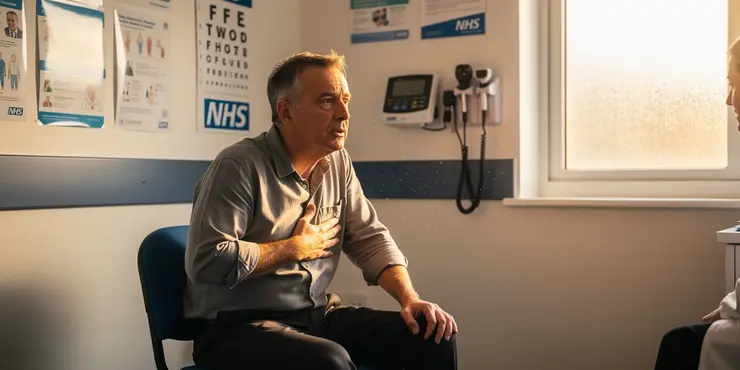
When someone is experiencing a heart attack, recognising the symptoms early can be crucial for effective treatment and improved outcomes. Heart attack symptoms can vary widely in their presentation and duration. It’s important to be familiar with these symptoms to identify them promptly.
Common Heart Attack Symptoms
Heart attacks, or myocardial infarctions, commonly present with several symptoms, the most significant being chest pain or discomfort. This discomfort is often described as a feeling of pressure, squeezing, fullness, or pain and typically occurs in the centre or left side of the chest. However, symptoms can extend beyond chest pain and include discomfort in other parts of the upper body, shortness of breath, nausea, light-headedness, or cold sweats.
Duration of Heart Attack Symptoms
The duration of heart attack symptoms can differ greatly from person to person. Some symptoms, such as chest pain, may come and go over a period of time, or they may be persistent. Heart attack symptoms can last for several minutes or persist for hours. Importantly, if chest pain or other related symptoms last more than a few minutes, it's imperative to seek immediate medical attention.
Some individuals may experience symptoms that start subtly and intensify over time, whereas others may have intense and sudden symptoms. The variability makes it essential to act swiftly regardless of the symptom duration. In some cases, silent heart attacks occur where symptoms are mild or atypical, making them harder to recognise.
The Importance of Immediate Medical Care
Regardless of the duration, timely medical intervention can significantly influence recovery and outcomes. Quick action is essential, as prolonged deprivation of blood to the heart muscle can result in significant damage or be life-threatening. Emergency services are trained to handle such medical emergencies, and early treatment can help restore blood flow to the heart, reducing damage.
If you or someone else experiences heart attack symptoms, even if they seem to subside, it's critical to call emergency services right away. Do not delay treatment or attempt to drive yourself to the hospital.
After the Symptoms Subside
After an individual receives treatment and the immediate heart attack symptoms subside, ongoing care and monitoring are essential. Doctors typically recommend various follow-up treatments, lifestyle changes, and medications to prevent further complications. Understanding the symptoms and their potential duration can help you respond effectively in such critical situations.
What is a Heart Attack?
A heart attack happens when your heart doesn't get enough blood. It's very important to know the signs of a heart attack so you can get help quickly.
How to Tell if Someone is Having a Heart Attack
The most common sign of a heart attack is chest pain. The chest might feel like it's being squeezed, pressed, or is very full. You might also feel pain in your arms, back, neck, or jaw. Other signs include feeling short of breath, feeling sick, feeling dizzy, or having cold, sweaty skin.
How Long Do Symptoms Last?
Heart attack signs can last different amounts of time. Chest pain might come and go, or it might last a long time. If you have chest pain or any signs for more than a few minutes, get help right away. Some people have signs that start out small and get worse, while others have strong signs that start quickly. Sometimes, people have heart attacks without the usual strong signs, making them hard to notice.
Why Getting Help Fast is Important
Getting medical help fast can make a big difference in getting better. If the heart goes without blood for too long, it can get seriously damaged or be life-threatening. Emergency workers know how to take care of heart attacks and can give treatment quickly to help the heart.
If you or someone else shows signs of a heart attack, call emergency services immediately. Don't wait or try to drive to the hospital yourself.
After Getting Help
After the heart attack is treated, it is important to keep seeing the doctor and taking any medicine they give you. Doctors might suggest changes to how you live so you can stay healthy. Knowing what to look for can help keep you safe and healthy.
Frequently Asked Questions
Heart attack symptoms can last for more than 15 minutes. Some symptoms may persist even longer and can be intermittent, continuing for hours.
Yes, certain mild symptoms like fatigue, mild chest discomfort, or shortness of breath may last for days or even weeks leading up to a heart attack.
Chest pain typically lasts more than 15-20 minutes and may not improve with rest. If it lasts longer or disappears and returns, it should be evaluated immediately.
Yes, symptoms can be intermittent, come and go, or vary in intensity before becoming constant and severe during a heart attack.
Immediate medical attention is crucial, ideally within the first hour of symptom onset. Delays can increase heart damage.
Symptoms lasting more than a few minutes, worsening quickly, or not improving with rest require emergency medical attention.
Yes, anxiety and panic attacks can mimic heart attack symptoms, but it's important to seek medical evaluation to rule out a heart attack.
Heart attack pain is often more intense and persistent, whereas indigestion is typically related to meals and might improve with antacids.
While longer-lasting symptoms can indicate a severe heart attack, any heart attack is serious and requires immediate attention regardless of symptom duration.
Symptoms might temporarily resolve, but this doesn't mean the danger has passed. Medical evaluation is necessary to ensure safety.
Early signs can include fleeting chest discomfort, fatigue, shortness of breath, and symptoms that come and go over days.
Critical heart attack-related chest pain often lasts longer than 15 minutes and may become more severe, requiring immediate medical intervention.
Yes, symptoms can vary in intensity and may become severe over time. Monitor any suspected symptoms closely and seek immediate help.
Yes, women often have subtle symptoms which may last longer or can be dismissed, such as unexplained fatigue, nausea, and back or jaw pain.
Quick recognition and response to symptoms can significantly improve outcomes and reduce heart damage. Delayed response increases risks.
Atypical symptoms like prolonged mild discomfort, fatigue, lightheadedness, and digestive upset can indicate heart trouble, especially in women.
Yes, symptoms might improve temporarily but can recur, indicating an ongoing issue that needs urgent medical evaluation.
Not always. Some heart attacks might present without any typical symptoms, being silent, or only cause mild discomfort.
Yes, physical activity or emotional stress can exacerbate symptoms, making them more prolonged or severe.
Even short-lived symptoms can precede a heart attack. Recognizing and responding to these signs quickly can prevent a complete heart attack.
Heart attack signs can last over 15 minutes. Sometimes, they stay for a long time and can come and go for hours.
Yes, feeling very tired, having a little chest pain, or feeling short of breath can happen before a heart attack. These feelings might last for a few days or even weeks.
Chest pain can last for more than 15 to 20 minutes. It might not get better when you rest. If the pain lasts a long time or goes away and comes back, you should see a doctor right away.
Yes, the signs can start and stop. They can be strong, then weak, before staying strong during a heart attack.
Getting help from a doctor fast is very important. Try to see a doctor in the first hour when you notice something is wrong. Waiting too long can hurt your heart.
Get help right away if the symptoms last more than a few minutes, get worse quickly, or don't get better when you rest.
Yes, feeling very worried or having a panic attack can feel like a heart attack. But you should see a doctor to make sure it's not a real heart attack.
If you feel like this, there are things that can help:
- Try to take slow, deep breaths.
- Sit down and rest for a while.
- Talk to someone about how you feel.
Tools, like breathing apps or calming music, might help you stay calm.
A heart attack can hurt a lot and the pain doesn't go away. Indigestion often happens after eating and can feel better with medicine called antacids.
If you have trouble understanding this, using pictures or videos about heart attacks and indigestion may help. Also, try reading with someone who can explain it to you.
When someone has a heart attack, it is very serious. It does not matter how long the symptoms last. If you think someone is having a heart attack, get help right away.
Sometimes, symptoms can go away for a little while, but this doesn't mean everything is okay. It is important to see a doctor to make sure you are safe.
There are some early signs to look out for. You might feel a little pain or discomfort in your chest. You could feel very tired. It might be hard to breathe. These signs can come and go over a few days.
Chest pain from a heart attack can last more than 15 minutes. It can get very bad. You need a doctor right away.
Yes, symptoms can get worse and might become very bad. Watch the symptoms closely and get help right away if needed.
Yes, women can have symptoms that are hard to notice. These symptoms might last a long time or be ignored. They include feeling very tired for no reason, feeling sick to the stomach, and having a sore back or jaw.
If you notice signs of a heart problem and get help quickly, you can feel better faster and stop more damage to your heart. Waiting too long can make things worse.
Signs of heart problems can be different. These signs can be:
- Feeling uncomfortable for a long time.
- Feeling tired.
- Feeling dizzy.
- Having an upset tummy.
These signs can be more common in women.
If you feel any of these signs, tell an adult or see a doctor.
Using tools like pictures or videos can help you understand better.
Yes, the symptoms might get better for a short time, but they can come back. This means there could be a problem, and it’s important to see a doctor quickly.
Not always. Sometimes, heart attacks happen with no signs. They can be very quiet or only cause a little bit of pain.
Yes, being active or feeling worried can make symptoms worse. This can make them last longer or feel stronger.
Sometimes, you might feel signs for a little while before a heart attack. These signs are important. If you know what they are and act fast, you can stop a big heart attack from happening.

Ergsy Search Results
This website offers general information and is not a substitute for professional advice.
Always seek guidance from qualified professionals.
If you have any medical concerns or need urgent help, contact a healthcare professional or emergency services immediately.
Some of this content was generated with AI assistance. We've done our best to keep it accurate, helpful, and human-friendly.
- Ergsy carefully checks the information in the videos we provide here.
- Videos shown by Youtube after a video has completed, have NOT been reviewed by ERGSY.
- To view, click the arrow in centre of video.
- Most of the videos you find here will have subtitles and/or closed captions available.
- You may need to turn these on, and choose your preferred language.
- Go to the video you'd like to watch.
- If closed captions (CC) are available, settings will be visible on the bottom right of the video player.
- To turn on Captions, click settings.
- To turn off Captions, click settings again.