
Get Answers
What is H9N2?
H9N2 is a type of avian influenza that can affect poultry flocks. In many cases it causes milder signs than other bird flu strains, but it can still reduce bird health, productivity, and welfare.
For UK poultry farmers, the main concern is not only illness in birds, but also the risk of spread within and between farms. Good prevention is therefore more effective and far less disruptive than dealing with an outbreak.
Strengthen on-farm biosecurity
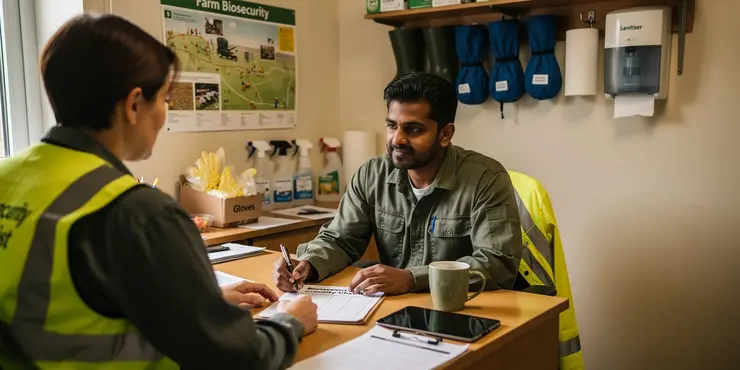
Biosecurity is the first and most important line of defence. Keep poultry houses, equipment, vehicles, and footwear clean, and use site-specific hygiene routines for staff and visitors.
Limit unnecessary visitors and keep a clear record of everyone entering the site. If people must enter, they should wear clean protective clothing and follow washing or disinfecting procedures before moving between houses.
Keep wild birds away from poultry
Wild birds can carry avian influenza viruses and contaminate feed, water, and outdoor areas. Cover feed stores, secure water sources, and reduce access points where wild birds might gather near poultry.
Outdoor flocks should be managed carefully, especially during periods when avian influenza risk is higher. Netting, fencing, and good site maintenance can all help reduce contact with wild birds and their droppings.
Monitor birds closely and act early
Farmers should watch for reduced feed intake, drop in egg production, coughing, sneezing, or unusual deaths. Even mild changes in flock behaviour can be an early warning sign that should not be ignored.
If birds look unwell, seek veterinary advice promptly and follow the latest guidance from APHA and your vet. Early reporting helps protect your flock and reduces the chance of wider spread.
Manage movement, housing, and hygiene
Move birds, equipment, and litter as little as possible between units. If movement is needed, use dedicated tools for each house and clean them thoroughly after use.
Housing should be kept dry, well ventilated, and free from standing water or excess manure build-up. Regular cleaning and disinfection lower the chances of virus survival in the environment.
Prepare a flock health plan
Every poultry farm should have a written health and emergency plan. This should cover reporting procedures, isolation measures, visitor controls, and what to do if avian influenza is suspected.
Work with your vet to review the plan regularly, especially before the higher-risk autumn and winter months. Training staff so they know the signs and the correct response can make a major difference.
Frequently Asked Questions
H9N2 is a subtype of avian influenza virus that can cause respiratory illness in poultry, reduce egg production, and sometimes result in bird deaths, affecting farm productivity and profitability.
Strict biosecurity is crucial as it reduces the chance of virus introduction and spread by controlling farm access, disinfecting equipment, and limiting contact with wild birds.
Yes, vaccination is a key preventive measure where available. It helps reduce the severity of outbreaks and virus shedding in infected birds.
Limiting farm visitors reduces the risk of H9N2 being brought onto the farm from contaminated shoes, clothing, or equipment.
Yes, cleaning and disinfecting poultry houses, tools, and vehicles helps eliminate the virus from the environment.
Feed and water should be stored and supplied in sealed containers to prevent contamination from wild birds or rodents.
Wild birds can carry and transmit H9N2, so keeping poultry housed and limiting contact with wild birds is important.
Yes, regular monitoring helps in early detection and control of disease, minimizing potential outbreaks.
All staff should be trained on the signs of H9N2, proper biosecurity, and hygiene practices to reduce risks.
Yes, using PPE such as gloves, masks, and dedicated farm clothing helps limit virus spread and protects workers.
Limiting the movement of birds on and off the farm reduces the chance of introducing or spreading the virus.
Yes, quarantining new or returning poultry for 2-3 weeks helps ensure they are healthy before mixing with the main flock.
Immediate removal and proper disposal of dead birds prevent the spread of H9N2 and other diseases.
Footwear should be cleaned and disinfected every time before entering poultry houses to minimize disease risks.
Yes, rodents can carry disease agents, so effective rodent control helps reduce the risk of H9N2 and other infections.
Any suspicion of H9N2 should be reported to a veterinarian immediately for diagnosis and guidance on control measures.
Yes, mixing birds of different ages can increase disease spread, so keeping different ages separate is recommended.
Always buy poultry from trusted sources with good health records to minimize introducing infectious diseases like H9N2.
Regular testing and surveillance can detect H9N2 early, allowing rapid implementation of control measures.
Yes, having a clear plan ensures quick action, limiting the impact and spread of H9N2 on the farm.

Ergsy Search Results
This website offers general information and is not a substitute for professional advice.
Always seek guidance from qualified professionals.
If you have any medical concerns or need urgent help, contact a healthcare professional or emergency services immediately.
Some of this content was generated with AI assistance. We've done our best to keep it accurate, helpful, and human-friendly.
- Ergsy carefully checks the information in the videos we provide here.
- Videos shown by Youtube after a video has completed, have NOT been reviewed by ERGSY.
- To view, click the arrow in centre of video.
- Most of the videos you find here will have subtitles and/or closed captions available.
- You may need to turn these on, and choose your preferred language.
- Go to the video you'd like to watch.
- If closed captions (CC) are available, settings will be visible on the bottom right of the video player.
- To turn on Captions, click settings.
- To turn off Captions, click settings again.