
Get Answers
Introduction to Hosepipe Bans
Hosepipe bans are temporary water restrictions implemented by water companies in the UK during periods of drought or unusually high demand. These restrictions are put in place to conserve water by limiting its use for non-essential activities, which can include watering gardens, washing vehicles, and refilling pools. While these bans are designed to help manage water resources efficiently, they can have significant consequences for various sectors, including agriculture.
Impact on Agricultural Practices
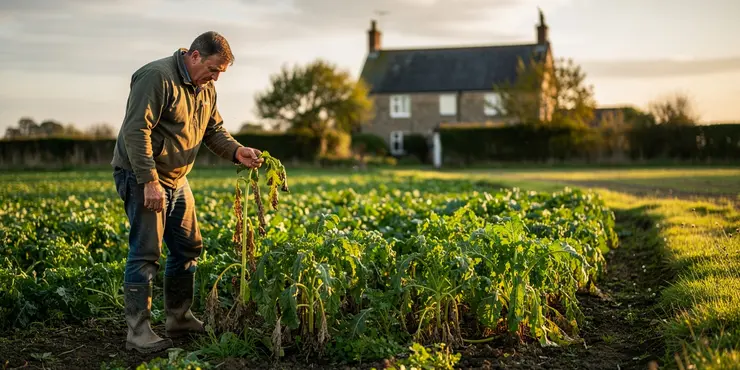
For farmers, hosepipe bans can pose several challenges as they rely heavily on consistent water supplies to maintain crop health and livestock production. During bans, farmers may face restrictions or surcharges for using water from public sources. This can lead to difficulties in ensuring that their crops receive adequate irrigation, which can be particularly detrimental during crucial growth periods. Additionally, livestock farmers need a steady supply of water for animals, and restrictions can complicate these essential operations.
Financial Implications
The financial impact of hosepipe bans on farmers can be considerable. Inadequate irrigation can reduce crop yields, leading to lower income. Farmers might need to invest in alternative water sources or water-saving technologies, which can increase operational costs. Furthermore, if crop quality is affected, market prices may decrease, adversely impacting profitability. Livestock farmers might also face increased costs if they need to purchase additional water or transport animals to areas with better water availability.
Adaptation Strategies
To mitigate the effects of hosepipe bans, many farmers have adopted various adaptation strategies. These can include investing in rainwater harvesting systems, which help capture and store rain for future use, or employing more efficient irrigation techniques such as drip or sprinkler systems that minimize water waste. Farmers might also implement soil management practices that enhance water retention, such as mulching or using cover crops. Collaboration with local water authorities can also help farmers plan for and manage their water needs more effectively.
Environmental Considerations
While hosepipe bans can create challenges, they also present an opportunity for advancing sustainable agricultural practices. By reducing reliance on mains water and promoting more efficient water use, these bans can encourage farmers to adopt practices that conserve water and protect local ecosystems. In the long term, such changes can lead to more resilient farming operations capable of coping with future climate variability and water shortages.
Conclusion
Hosepipe bans are a necessary tool in water management during times of scarcity, but they can significantly affect farmers by limiting water availability for crops and livestock. In response, farmers must adopt innovative water management strategies and technologies to maintain productivity and minimize economic losses. By doing so, they not only secure their livelihoods but also contribute to sustainable agriculture and resource conservation in the UK.
What Are Hosepipe Bans?
Hosepipe bans happen when there is not enough water. Water companies in the UK tell people to use less water. This can happen when there is a drought, which means very little rain, or when lots of people are using water. During a ban, people should not use a lot of water for things like watering gardens, washing cars, or filling pools. The bans help save water, but they can be hard for farmers.
How Do Hosepipe Bans Affect Farmers?
Farmers need water to grow crops and take care of animals. Hosepipe bans can make it hard for them to get enough water. They might have to pay extra to use water from public sources. Without enough water, crops might not grow well, which is a big problem if it happens during important growth times. Animals also need water, and bans can make it tough to keep them healthy.
Money Problems for Farmers
Hosepipe bans can cost farmers a lot of money. If crops don't get enough water, they might not grow well, leading to less money when they sell them. Farmers might also need to spend money on other ways to get water or on tools that save water better. If the quality of the crops goes down, the price they get might be lower. Farmers with animals might have to spend more money to buy water or move animals to places where they can get enough water.
What Can Farmers Do?
Farmers can try different things to deal with hosepipe bans. They can catch and store rainwater to use later. They can also use watering systems that waste less water, like drip systems or sprinklers. Another way is to take care of the soil so it keeps water better, like by putting a layer of material on top (mulching) or planting cover crops. Farmers can also work with local water authorities to plan how to use water well.
Caring for the Environment
Even though hosepipe bans can be hard, they can also help the environment. They encourage farmers to use less tap water and be smarter about using water. This can help protect nature and make farming better in the long run. This way, farms can be stronger and deal with climate changes and water problems better in the future.
Finishing Thoughts
Hosepipe bans help save water, but they can make it tough for farmers. Farmers need to find new ways to manage water to keep growing crops and caring for animals. By doing this, they can keep making money and help the environment by using resources wisely.
Frequently Asked Questions
A hosepipe ban is a restriction imposed by water companies or authorities to conserve water during periods of drought. It limits the use of hosepipes for non-essential purposes.
Hosepipe bans can limit the water farmers have for irrigation, affecting their ability to water crops efficiently and potentially impacting crop yields.
Exemptions can vary, but often farmers might receive special considerations due to the essential nature of their water use for food production.
Farmers might employ drip irrigation, rainwater harvesting, or use water from alternative legal sources like boreholes or collected rainwater.
Yes, farmers can often use water from rivers or lakes, but they need to ensure they have the necessary permits to do so.
Farmers can invest in water-efficient technologies, increase water storage capacity, and explore alternative water sources to prepare for a ban.
Penalties can include fines, legal actions, or further restrictions on water use, depending on local regulations.
Hosepipe bans generally apply to non-essential use. Essential agricultural water use may have different regulations or exemptions.
Hosepipe bans are implemented to conserve water during droughts or when water supply is significantly lower than demand.
Livestock farmers may need to find alternative water sources for their animals if usual sources are restricted by the ban.
Governments might offer assistance or advice on water conservation techniques and alternative water supply solutions during a ban.
Yes, a hosepipe ban could lead to reduced crop yields, potentially increasing the price of affected produce due to scarcity.
The duration of a hosepipe ban depends on weather conditions, water levels, and forecasts. It can last weeks or months.
Farmers are informed through official announcements from water companies, agricultural organizations, or local government.
Yes, rainwater harvesting is generally allowed and encouraged as it's a sustainable water source independent of the bans.
Climate change can increase the frequency and severity of droughts, leading to more frequent hosepipe bans.
Water companies implement, regulate, and oversee hosepipe bans and provide guidelines to ensure compliance and conservation.
Yes, efficient irrigation scheduling can help maximize water use efficiency, even when there's limited availability.
Typically, hosepipe bans don't directly affect subsidies, but consistent issues might influence future policy or subsidy adjustments.
Yes, technologies such as soil moisture sensors, automated irrigation systems, and drought-resistant crops can help mitigate the impacts.
A hosepipe ban means you cannot use a hosepipe. Water companies do this to save water when there is not much rain. You can’t use the hosepipe for things that are not very important.
When people can't use hosepipes, farmers might have less water for their plants. This means they can't water their plants well, which might make it harder for the plants to grow.
Exemptions can be different. But, often, farmers get special rules because they use water to grow food, which is very important.
Farmers can use drip irrigation. This is a way to water plants slowly. They can also collect and use rainwater. Another way is to use water from special wells called boreholes.
Yes, farmers can use water from rivers or lakes. But they need to make sure they have special permission first.
Farmers can do things to save water. They can use special tools that use less water. They can also find ways to keep more water in tanks or ponds. Farmers can look for different places to get water too. Doing these things can help if there is a rule that stops them from using too much water.
If you break the water rules, you might have to pay money. This is called a fine. You could also get into trouble with the law, or they might tell you to use even less water. It depends on the rules where you live.
Hosepipe bans mean you can't use the hosepipe for things that are not important. Farmers might have special rules so they can use water for their crops.
Hosepipe bans stop people from using hoses to save water. This happens during dry times or when we do not have enough water.
Farmers with animals might need to find new places for water if they cannot use the usual ones because of the ban.
Governments can help by giving advice on how to save water. They can also suggest other ways to get water when there is not enough.
A hosepipe ban means you can't use a hose to water plants. This could make it harder for farmers to grow crops. If there are fewer crops, the price of fruit and vegetables might go up because there isn't as much to sell.
A hosepipe ban could last a few weeks or even a few months. How long it lasts depends on the weather and how much water there is.
Farmers get news from letters, emails, or websites from water companies, farming groups, or the local government.
Yes, you can collect rainwater. It's usually a good thing to do because it helps save water and doesn't break any rules.
Climate change can make it hotter and drier. This can cause more droughts. Droughts mean there is less water. So, people might not be able to use hosepipes as often.
Water companies make the rules about using hosepipes. They check that people follow these rules and they give advice to help save water.
Yes, planning when to water plants can help save water, even if there is not much water available.
Usually, when people are told not to use hosepipes, it doesn't change the money help from the government right away. But if there are big problems with water many times, the government might think about changing the rules or the money help in the future.
Yes, we can use smart tools to help. There are tools that can check if the soil is too dry, machines that water plants by themselves, and special plants that don't need much water. These can help a lot.

Ergsy Search Results
This website offers general information and is not a substitute for professional advice.
Always seek guidance from qualified professionals.
If you have any medical concerns or need urgent help, contact a healthcare professional or emergency services immediately.
Some of this content was generated with AI assistance. We've done our best to keep it accurate, helpful, and human-friendly.
- Ergsy carefully checks the information in the videos we provide here.
- Videos shown by Youtube after a video has completed, have NOT been reviewed by ERGSY.
- To view, click the arrow in centre of video.
- Most of the videos you find here will have subtitles and/or closed captions available.
- You may need to turn these on, and choose your preferred language.
- Go to the video you'd like to watch.
- If closed captions (CC) are available, settings will be visible on the bottom right of the video player.
- To turn on Captions, click settings.
- To turn off Captions, click settings again.