
Get Answers
Introduction to Screw Worm Outbreaks
A screw worm outbreak is a significant concern for livestock and wildlife industries. The larvae of the screw worm fly can inflict serious damage by feeding on the live tissue of warm-blooded animals, leading to severe medical conditions and even death if not treated appropriately. In the event of an outbreak, timely and effective measures are crucial to control and eventually eradicate the infestation.
Detection and Surveillance
One of the first steps during a screw worm outbreak is implementing widespread surveillance to detect the presence of the larvae. This involves setting traps with baits to attract adult flies and collecting samples from affected wounds on animals for laboratory analysis. Surveillance helps to ascertain the geographical spread and severity of the infestation, which is vital for tailoring the response efforts effectively.
Containment and Quarantine
Controlling movement is a critical aspect during a screw worm outbreak. Strict quarantine measures are put in place to prevent the spread of the larvae to unaffected areas. Animal movements are restricted, and affected farms are isolated to contain the outbreak. Furthermore, imports and exports of livestock may be temporarily halted or subjected to rigorous inspections to mitigate the risk of cross-border transmission.
Maggot Control and Treatment
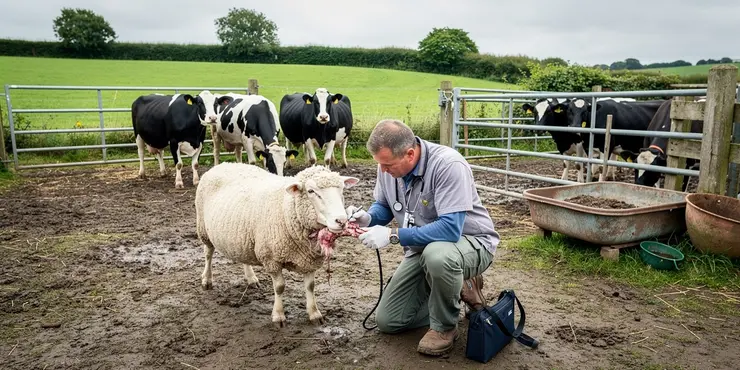
Infected animals receive immediate treatment to remove the larvae, often involving physical extraction and the application of appropriate antiseptics or insecticides. In some cases, systemic treatments such as ivermectin may be used to eliminate internal parasites and larvae. Educating farmers and veterinarians on the identification and treatment of infestations is also a priority to ensure prompt action at the grassroots level.
Biological Control Methods
One of the most effective long-term strategies is the use of the Sterile Insect Technique (SIT). This involves releasing sterilised male flies into the environment to mate with wild females. The resultant lack of viable offspring leads to a gradual reduction in the population over time. This method has been successfully used in various regions worldwide to eradicate screw worm populations and is a preferred approach due to its environmental safety and sustainability.
Public Awareness and Reporting
Public awareness campaigns are instrumental during an outbreak to inform livestock owners and the general public about the signs and consequences of screw worm infestations. Encouraging prompt reporting of suspected cases helps in swift response and control efforts. Communication channels including hotlines and online platforms should be established to facilitate rapid reporting and dissemination of information.
Conclusion
Addressing a screw worm outbreak requires a multifaceted approach involving cooperation among government authorities, veterinary services, farmers, and the community. By employing a combination of detection, containment, treatment, biological controls, and public education, the spread can be effectively managed, ultimately protecting animal health and safeguarding agricultural and wildlife sectors.
Introduction to Screw Worm Outbreaks
Screw worms can hurt animals like cows and sheep. They can make animals very sick. It's important to act quickly if there's an outbreak. This helps to stop the problem from getting worse.
Detection and Surveillance
We need to look for screw worms to know where they are. Traps are used to catch the flies. Samples from animals can also be checked in a lab. This helps us know how bad the problem is and where it is happening.
Containment and Quarantine
We must stop the screw worms from spreading. This means animals can’t move from one place to another. Farms with screw worms should stay separate from others. We might also check animals coming from other places to keep the worms out.
Maggot Control and Treatment
Animals with screw worms need help right away. The worms are taken out and medicine is used to clean the wound. Sometimes other treatments are needed to kill the worms. Farmers and vets should know how to find and treat screw worms.
Biological Control Methods
A good way to fight screw worms is to use the Sterile Insect Technique (SIT). This means letting out flies that can't have babies. This helps reduce the number of flies over time. It's safe for the environment and works well.
Public Awareness and Reporting
It's important to tell people about screw worms. If they know the signs, they can act fast. People should report screw worms quickly. Hotlines and websites can help share information.
Conclusion
Fighting screw worms needs everyone to work together. This includes the government, vets, farmers, and the community. By finding, stopping, and treating the worms, we can protect animals and farms.
Frequently Asked Questions
A screw worm outbreak occurs when there is a surge in the population of the screw worm, a parasitic fly whose larvae infest and feed on the tissues of living animals, causing harm and potential fatality.
Initial steps include reporting the outbreak to the authorities, conducting surveys to assess the extent, and implementing quarantine measures to contain its spread.
Populations are often controlled using sterile insect techniques, insecticide treatments, and traps to reduce and eventually eliminate the screw worm presence.
Public awareness is crucial to ensure people know how to recognize infested animals, prevent the spread, and report cases to authorities promptly.
It involves releasing sterile male screw worms into the wild to mate with females, resulting in no offspring and gradually reducing the population.
Yes, quarantine measures may involve restricting movement of livestock from affected areas to prevent the spread of screw worms to new locations.
Early and accurate diagnosis is critical to manage and control an outbreak effectively, preventing further spread and damage.
Wound cleaning, application of larvicides, and systemic medications can be used to treat infested animals and promote healing.
It often involves cooperation between agricultural authorities, veterinarians, animal health organizations, and local communities.
While rare, humans can be infested by screw worms, requiring medical treatment for removing larvae and preventing secondary infections.
Surveillance may include fly trapping, visual inspections of livestock, and monitoring reports of infestations to assess the situation.
Preventative measures, such as regular inspection and wound care for animals, are essential to reduce the risk of infestations.
Authorities communicate through public alerts, guidelines for affected areas, and cooperation with international bodies for coordinated efforts.
An outbreak can cause significant economic losses due to decreased livestock productivity, increased treatment costs, and trade restrictions.
Continuous monitoring, follow-up inspections, and repeated application of control measures until no further evidence of screw worms is found are essential.
While total prevention is challenging, maintaining strict biosecurity and surveillance in livestock populations can significantly reduce outbreak risks.
Veterinarians diagnose infestations, treat affected animals, and advise on preventative measures and control strategies.
Data is used to track the spread, evaluate the efficacy of control measures, and improve future response strategies.
International organizations may provide support, resources, and coordination to help affected regions manage and control outbreaks.
Long-term strategies include ongoing surveillance, maintaining sterile insect programs, public education, and investment in animal health infrastructure.
A screw worm outbreak happens when there are too many screw worms. These are flies that lay eggs on animals. The baby flies, called larvae, eat the animals' skin. This can make the animals very sick and might even cause them to die.
First, tell the people in charge about the outbreak. Then, do surveys to see how big the problem is. Finally, start quarantine to stop it from spreading.
We can control the number of screw worms by doing a few things:
1. Releasing insects that can't have babies. This stops more worms from being born.
2. Using special sprays to kill the worms.
3. Setting up traps to catch them.
These methods help us get rid of the worms.
It's important for everyone to know about this problem. We need to learn how to spot sick animals, stop the problem from spreading, and tell the right people quickly.
Here are some tools that can help:
- Pictures can help you recognize what to look for.
- Simple checklists make it easier to remember what to do.
- Apps or phone numbers to report problems fast.
Scientists let go of male bugs that cannot make babies. These male bugs meet girl bugs. Because the boy bugs cannot make babies, no new bugs are born. This helps to have fewer bugs over time.
It's like magic, but with bugs! Here are some things you can try to better understand this:
- Ask someone to read it with you.
- Draw pictures of the bugs to see what happens.
- Use a dictionary to learn new words.
Yes, this means there may be rules to stop animals from moving from one place to another. This is to keep screw worms from spreading.
It is very important to find out about an illness quickly and correctly. This helps stop the illness from spreading and causing more harm.
You can help animals get better by doing three things. First, clean their wounds. This keeps them clean. Second, use special medicine called larvicides to stop bugs. Third, give the animal medicine in their body to help them heal.
Teams work together to help. Farmers, animal doctors, animal health helpers, and people in the community all help each other.
Sometimes, a type of bug called a screw worm can get into people's skin. This doesn't happen often. If it does happen, a doctor needs to help take the bugs out and make sure no other germs cause an infection.
Checking for pests can mean catching flies, looking at animals, and listening to reports about bugs to see what's happening.
Helpful tools could be using pictures or talking about the reports to make it easier to understand.
To keep animals healthy and safe, it's important to check them often and look after any cuts or scratches they might have. This helps stop bugs and pests from bothering them.
Leaders talk to people using alerts. They tell people what to do in certain areas. They also work with groups from other countries to get help.
An outbreak can cause big money problems. This can happen because animals might not be as healthy and strong, which means they don’t produce as much. There might be more money needed to make them better, and it can also be harder to sell and trade them with other places.
It is important to keep checking, look again, and do the control steps until all the screw worms are gone.
It is hard to stop all problems. But, we can keep animals safer by watching them closely and keeping their homes clean. This helps stop big problems from happening.
Vets find out if animals have bugs or worms, help sick animals get better, and tell people how to keep their animals healthy and safe from bugs and worms.
To help understand this, you can:
- Use pictures to show different bugs and worms.
- Make simple charts for treatment steps.
- Use videos to show how to keep animals safe.
Data helps us see how a disease spreads, check if our actions to stop it work, and plan better for next time.
International groups can help by giving things people need, sharing helpful ideas, and working together to manage and stop the spread of diseases in areas that need help.
Here are ways to help over a long time:
- Keep watching for problems.
- Use special bugs to stop bad ones.
- Teach people what to do.
- Spend money to help animals stay healthy.

Ergsy Search Results
This website offers general information and is not a substitute for professional advice.
Always seek guidance from qualified professionals.
If you have any medical concerns or need urgent help, contact a healthcare professional or emergency services immediately.
Some of this content was generated with AI assistance. We've done our best to keep it accurate, helpful, and human-friendly.
- Ergsy carefully checks the information in the videos we provide here.
- Videos shown by Youtube after a video has completed, have NOT been reviewed by ERGSY.
- To view, click the arrow in centre of video.
- Most of the videos you find here will have subtitles and/or closed captions available.
- You may need to turn these on, and choose your preferred language.
- Go to the video you'd like to watch.
- If closed captions (CC) are available, settings will be visible on the bottom right of the video player.
- To turn on Captions, click settings.
- To turn off Captions, click settings again.