
Speak To An Expert
Get clear, personalised advice for your situation.
Jot down a few questions to make the most of your conversation.
Introduction to Reducing Salt Intake
Many people in the UK consume more salt than recommended, which can lead to health issues. Reducing your salt intake can help manage blood pressure and improve overall health. Identifying foods high in salt is the first step towards a healthier, low-sodium diet.
Understanding which foods to avoid can make it easier to manage daily salt consumption. In this guide, we will highlight key foods you should limit or avoid to maintain a low-salt diet.
Processed Meats
Processed meats like bacon, ham, and sausages are notoriously high in salt. The curing and preserving processes involve using significant amounts of salt. Choosing fresh meats or poultry can significantly reduce your salt intake.
If you enjoy these meats, try limiting your portions and frequency. Opting for low-sodium versions when available can also make a difference.
Ready Meals
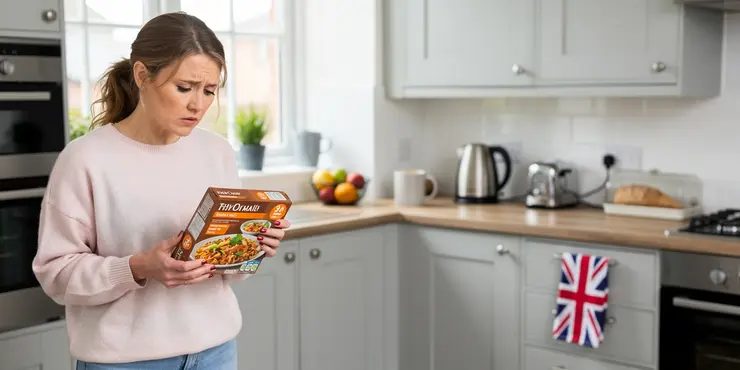
Convenience often comes with a price, and ready meals are no exception. Many packaged convenience meals contain high levels of salt to enhance flavour and extend shelf life. Reading nutritional labels carefully can help you make better choices when grocery shopping.
Cooking at home with fresh ingredients allows more control over the salt content of your meals. Experimenting with herbs and spices can add flavour without adding salt.
Canned Soups and Vegetables
Canned goods are another common source of hidden salt. Many soups and veggies contain added salt for preservation and taste. Looking for low-sodium labels or rinsing canned vegetables can help mitigate this.
Opting for homemade soups with fresh vegetables can be a healthier alternative. You can prepare larger batches and freeze them for convenience.
Cheese and Dairy Products
Certain cheeses and dairy products, like processed cheese and cheese spreads, contain high salt levels. Even cottage cheese can have surprising amounts of sodium. Choosing lower-salt versions or using smaller portions can reduce your intake.
Checking the labels on dairy products provides a clearer picture of their salt content. Consider substitutes like yoghurt or lower-salt cheeses if you're watching your salt intake closely.
Salty Snacks
Many popular snacks such as crisps, salted nuts, and popcorn are laden with salt. They are often used as a convenient, tasty treat but can contribute significantly to your daily salt consumption. Opt for unsalted or lightly salted versions as a healthier option.
Snacking on fresh fruits, vegetables, or homemade snacks can offer a satisfying crunch without the added salt.
Conclusion
Reducing salt intake is beneficial for maintaining good health and preventing hypertension. Being mindful of the foods you consume is crucial in managing your salt consumption. By avoiding or limiting high-salt foods and opting for fresher or low-sodium alternatives, you can enjoy a healthier diet and lifestyle.
Always check nutritional labels to make informed decisions, and don't hesitate to experiment with new ingredients and recipes to keep your meals enjoyable and healthy.
Frequently Asked Questions
Excess salt intake can lead to high blood pressure, heart disease, stroke, and other health issues. Reducing salt helps maintain better health.
Foods like processed meats, canned soups, cheeses, snack foods, and restaurant dishes often contain high levels of salt.
While it's not necessary to avoid all processed foods, choosing low-sodium or no-salt-added options can significantly reduce your salt intake.
Yes, bread can be a hidden source of salt in your diet. Check nutrition labels and opt for lower-sodium options.
Canned vegetables often contain added salt as a preservative. Rinsing them or choosing no-salt-added versions can help.
Restaurant foods often contain high levels of salt. You can ask for your meal to be prepared with less salt or sauce on the side.
Avoid or limit salted nuts, potato chips, pretzels, and other salty snacks, opting instead for unsalted or low-sodium varieties.
Many cheeses are high in salt. Opt for lower-sodium cheese options or consume in moderation.
Yes, deli meats and sausages often have high salt levels. Choosing low-sodium versions or fresh meat can help reduce salt intake.
Look for sodium content per serving and choose products labeled 'low sodium', 'no salt added', or 'reduced sodium'.
Yes, condiments like soy sauce, ketchup, and salad dressings can be high in salt. Opt for low-sodium versions where possible.
Many frozen meals are high in salt, but some brands offer low-sodium options. Check labels to make healthier choices.
Yes, fast foods often contain high salt levels. Eating them less frequently or choosing healthier menu options can help.
Yes, home-cooked meals allow you to control the amount of salt used, making it easier to reduce salt intake.
Pickled and brined foods like olives and pickles are typically high in salt. Choosing low-sodium versions can reduce salt intake.
Yes, instant noodles usually have high salt content, especially in the flavoring packets. Consider using less of the seasoning.
While reducing table salt is helpful, it's important to limit processed and packaged foods, which are major salt sources.
Salt substitutes can help, but check with a healthcare provider, especially if you have kidney problems or are on medication.
Many sauces are high in salt. Use them sparingly or choose reduced-sodium versions to help lower salt intake.
Reducing salt lowers blood pressure and the risk of heart disease and stroke, and improves overall cardiovascular health.

Ergsy Search Results
This website offers general information and is not a substitute for professional advice.
Always seek guidance from qualified professionals.
If you have any medical concerns or need urgent help, contact a healthcare professional or emergency services immediately.
Some of this content was generated with AI assistance. We've done our best to keep it accurate, helpful, and human-friendly.
- Ergsy carefully checks the information in the videos we provide here.
- Videos shown by Youtube after a video has completed, have NOT been reviewed by ERGSY.
- To view, click the arrow in centre of video.
- Most of the videos you find here will have subtitles and/or closed captions available.
- You may need to turn these on, and choose your preferred language.
- Go to the video you'd like to watch.
- If closed captions (CC) are available, settings will be visible on the bottom right of the video player.
- To turn on Captions, click settings.
- To turn off Captions, click settings again.