
Get Answers
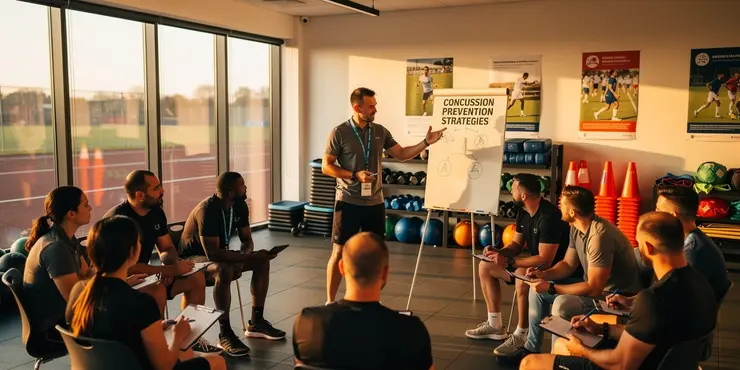
Training for Coaches to Prevent Concussions in the UK
Introduction
Coaches play a crucial role in safeguarding athletes, particularly when it comes to preventing concussions. In the UK, there is a growing awareness of the need for specific training programs aimed at educating coaches about preventing, identifying, and managing concussions.Availability of Training Programs
Several training programs are available for coaches in the UK. These programs are offered by various sports organizations and governing bodies, such as the Rugby Football Union (RFU) and the Football Association (FA). These organizations provide resources and training courses designed to help coaches recognize concussion symptoms and understand the appropriate measures to manage athlete safety.Contents of Training Programs
The training programs typically cover various topics, including the causes and symptoms of concussions, immediate action protocols, and the long-term implications of head injuries. They also focus on teaching coaches how to implement safe playing techniques and create an environment that prioritizes athlete safety.Online Resources
In addition to in-person training sessions, online resources are also available. Platforms like Headway and Concussion in Sport offer e-learning courses that coaches can access at their convenience. These courses can be particularly beneficial for those who may not have the opportunity to attend face-to-face training.Government and Health Organization Initiatives
The UK government and various health organizations are actively supporting the development and dissemination of concussion training programs. The Health and Safety Executive (HSE) provides guidelines that incorporate safety practices and emergency response strategies for sports-related injuries, including concussions.Importance of Ongoing Education
As medical understanding of head injuries evolves, ongoing education and training for coaches are vital. Continuous professional development ensures that coaches remain informed about the latest strategies and technologies in concussion prevention and management.Conclusion
Training for coaches is essential in preventing concussions and ensuring athlete safety. In the UK, several programs and resources are available, reflecting a commitment to tackling head injuries through education and proactive measures. By participating in these training programs, coaches can significantly contribute to the health and well-being of their athletes.Training for Coaches to Stop Concussions in the UK
Introduction
Coaches are important for keeping athletes safe. One way they do this is by stopping concussions. In the UK, more people know that coaches need special training to prevent, spot, and handle concussions.Where to Find Training
There are many training programs in the UK for coaches. Sports groups like the Rugby Football Union (RFU) and the Football Association (FA) offer these programs. They give coaches tools and lessons to help them see concussion signs and keep athletes safe.What Training Includes
Training teaches about how concussions happen and their signs. It shows what to do right away if someone gets a concussion and talks about long-term effects. Coaches learn how to keep playing areas safe and create a safe environment for athletes.Online Help
Along with classes you can attend, there are online resources too. Sites like Headway and Concussion in Sport have online courses. Coaches can learn from these courses whenever it suits them. This is great for coaches who cannot go to classes in person.Efforts by Government and Health Groups
The UK government and health groups help create and share concussion training. The Health and Safety Executive (HSE) gives rules for staying safe and handling sports injuries, like concussions.Learning Never Stops
As we learn more about concussions, coaches must keep learning too. This ongoing training helps coaches know the newest ways to stop and handle concussions.Conclusion
Coach training is key to stopping concussions and keeping athletes safe. In the UK, there are many programs and resources for this. By joining these programs, coaches help keep athletes healthy and protected. Supportive tools: Text-to-speech apps can help read these materials.Frequently Asked Questions
Yes, there is training available for coaches designed to help prevent concussions and manage them effectively.
Training typically includes education on recognizing concussion symptoms, understanding how to prevent head injuries, and implementing safety protocols.
Coaches can receive training through various sports organisations, online courses, and workshops provided by health and safety authorities.
Yes, there are several online resources and courses available that offer concussion prevention training for coaches.
Yes, many UK sports associations provide specific concussion training for coaches as part of their ongoing education programmes.
Some training programmes offer certifications upon completion, which can be beneficial for coaches looking to expand their expertise.
While not always mandatory, many sports organisations strongly recommend or require concussion training for their coaches.
Training can vary in length, from short workshops of a few hours to more comprehensive programmes that may take several days.
The cost of training can vary. Some courses might be free, while others may require a fee, depending on the provider.
Common topics include the science of concussions, prevention strategies, recognising symptoms, return-to-play protocols, and the long-term impacts of concussions.
Coaches play a crucial role in enforcing safety protocols, recognising the signs of concussions, and ensuring athletes receive proper medical attention.
Yes, education about concussion prevention and management can be beneficial for everyone involved, including players, parents, and guardians.
While there isn’t a single standard curriculum, many programmes cover core aspects like symptom recognition and injury management.
It's recommended that coaches stay up-to-date with current guidelines, often through regular refresher courses or continued education.
Yes, most programmes include guidelines for post-concussion care, ensuring that athletes recover fully before returning to play.
Yes, coaches can learn how to stop and handle head injuries called concussions.
Training usually teaches people how to see signs of a concussion, how to stop head injuries, and how to keep things safe.
Coaches can learn by taking classes. They can join sports groups, take online courses, or go to workshops. These classes can help them know how to keep everyone safe and healthy.
Yes, there are websites and courses on the internet that help coaches learn how to stop concussions.
Yes, many sports groups in the UK help coaches learn about concussions. They include this in the training they regularly offer to coaches.
Some training programs give you a certificate when you finish. This can help coaches learn more and get better at their job.
Many sports groups want coaches to learn about concussions. Sometimes they say it is really important, but it is a good idea for all coaches.
Training can be different lengths. It might be a short workshop that lasts a few hours. Or, it might be a long program that takes a few days.
The price of training can be different. Some classes might not cost any money, but others might ask you to pay, depending on who is giving the class.
Here are some things people talk about:
- What concussions are and how they happen.
- Ways to stop concussions from happening.
- How to know if someone has a concussion.
- When it is safe to play sports again after a concussion.
- What can happen if you have a concussion for a long time.
If you want help, tools like text-to-speech apps can read this out loud for you. Using a highlighter to mark important words can also help.
Coaches have an important job. They need to make sure everyone is safe. They must know how to spot if someone has hurt their head, like a concussion. If someone is hurt, coaches make sure they see a doctor.
Yes, learning how to prevent and handle concussions is good for everyone. This includes players, parents, and guardians.
There isn't just one set way to learn this. But, many classes teach important things like how to notice symptoms and how to take care of injuries.
Coaches should keep learning the new rules. They can do this by taking classes again or learning more.
Yes, many sports have rules to help athletes who hurt their heads. These rules make sure they get better before playing again.

Ergsy Search Results
This website offers general information and is not a substitute for professional advice.
Always seek guidance from qualified professionals.
If you have any medical concerns or need urgent help, contact a healthcare professional or emergency services immediately.
Some of this content was generated with AI assistance. We've done our best to keep it accurate, helpful, and human-friendly.
- Ergsy carefully checks the information in the videos we provide here.
- Videos shown by Youtube after a video has completed, have NOT been reviewed by ERGSY.
- To view, click the arrow in centre of video.
- Most of the videos you find here will have subtitles and/or closed captions available.
- You may need to turn these on, and choose your preferred language.
- Go to the video you'd like to watch.
- If closed captions (CC) are available, settings will be visible on the bottom right of the video player.
- To turn on Captions, click settings.
- To turn off Captions, click settings again.