
Get Answers
Understanding Property Litigation
Property litigation refers to the legal processes involved in resolving disputes related to real estate. These disputes may involve issues such as landlord and tenant disagreements, boundary disputes, or breaches of property contracts. In the UK, initiating property litigation involves several steps to ensure that the case is handled efficiently and in accordance with the law.
Identify the Nature of the Dispute
The first step in initiating property litigation is to clearly identify the nature of the dispute. It is important to determine whether the disagreement involves residential or commercial property, as different rules and regulations may apply. Understanding the specific issues at hand, such as lease violations, property damage, or co-ownership disagreements, will help in determining the appropriate action.
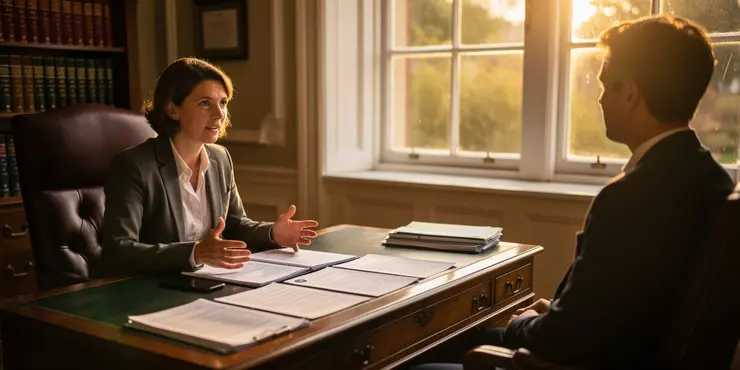
Seek Legal Advice
Once the nature of the dispute is identified, it is advisable to seek professional legal advice. A solicitor specializing in property law can provide guidance on the merits of the case and suggest the best course of action. Legal advice is crucial in understanding the potential outcomes and liabilities associated with the litigation process.
Attempt Early Resolution
Before formally initiating litigation, parties are encouraged to explore alternative dispute resolution methods such as negotiation or mediation. These methods can often lead to a faster and more cost-effective resolution, avoiding the need for a lengthy court process. In many cases, courts expect parties to attempt mediation before proceeding to litigation.
Prepare Legal Documentation
If early resolution is not successful, the next step is to prepare and file the necessary legal documentation. This includes a claim form and particulars of claim, which outline the details of the case and the desired outcomes. These documents must be filed with the appropriate court, depending on the nature and value of the claim.
File the Claim in Court
In the UK, property litigation claims are typically filed in either the County Court or the High Court, depending on the complexity and value of the case. Filing the claim involves submitting the necessary documents and paying any applicable court fees. The defendant is then served with a copy of the claim, allowing them to respond.
Proceed with Court Process
Once the claim is filed, the court will manage the proceedings according to established protocols. Directions will be issued, setting out a timeline for the exchange of evidence and any pre-trial procedures. Legal representation is often essential during this stage to ensure compliance with court requirements and to effectively advocate on behalf of the claimant or defendant.
Attend Hearings and Trial
If the dispute proceeds to trial, both parties will present their cases before a judge. Evidence and witness testimonies may be submitted, and the legal arguments will be made. Following the trial, the judge will issue a judgment, which may include orders for payment or other remedies. It is important to comply with the court's judgment to avoid further legal consequences.
What is Property Dispute?
A property dispute happens when there is a problem about land or buildings. This can include fights between landlords and renters, problems with property lines, or broken property agreements. In the UK, solving these problems has certain steps. These steps help solve the issue properly and by the law.
Know the Problem
The first step is to know exactly what the problem is. Is it about a home or a business place? Different rules can apply to each. Knowing if it's about things like rent issues, damages, or disagreements between owners helps to decide what to do next.
Get Legal Help
After knowing the problem, it is good to talk to a lawyer who knows about property law. They can tell you if you have a strong case and what to do next. Lawyers can help you understand what might happen and what you could owe or win in court.
Try to Solve Early
Before going to court, it is wise to try talking it out or using a mediator to resolve the problem. This can save time and money. Often, the court wants people to try mediation before they start a court case.
Prepare the Legal Papers
If talking or mediation doesn't work, you need to fill out and submit the correct papers to start the court process. This includes forms that explain your problem and what you want to happen. You send these papers to the right court, depending on how big and important your case is.
Go to Court
In the UK, you send property dispute cases to either the County Court or the High Court. Where you go depends on how difficult or serious the case is. You need to pay court fees and give the other person copies of the papers, so they know too.
Follow Court Steps
Once the court has the case, it will tell you what to do next and give timelines for sharing evidence. Having a lawyer during this time is helpful to make sure everything is done right and to speak on your behalf.
Go to Court Meetings
If the case goes to trial, you and the other person will talk about your side in front of a judge. You can show evidence and have witnesses talk. Then the judge will decide what should happen. It's important to do what the judge says to avoid more problems.
Frequently Asked Questions
Property litigation involves legal disputes related to real estate or property. It can include issues such as boundary disputes, landlord-tenant issues, or contractual disagreements over property sales.
You may need to initiate property litigation if you are involved in a dispute concerning property ownership, tenancy rights, property transactions, or any breach of property-related agreements that cannot be resolved amicably.
You should contact a qualified property lawyer or solicitor who specializes in property law to get legal advice and representation.
You will typically need any relevant contracts, correspondence, deeds, and other documentation related to the property dispute.
The cost of property litigation can vary greatly depending on the complexity of the case, the duration of the litigation, and attorney fees. It's important to discuss costs upfront with your legal representative.
The duration of property litigation depends on the complexity of the case and the court's schedule, but it can range from a few months to several years.
Yes, many property disputes can be resolved through negotiation, mediation, or arbitration, potentially avoiding the need for formal litigation.
The process generally includes filing a complaint, serving the defendant, discovery, pre-trial motions, trial, and possibly an appeal.
A complaint is a formal legal document filed with the court that outlines the plaintiff's allegations and the basis for the lawsuit.
A property litigation attorney advises and represents clients in disputes concerning property, helping to prepare legal documents, provide counsel, and advocate on their behalf in court.
Yes, property litigation can involve both residential and commercial properties.
A property injunction is a court order that restricts a party from taking certain actions related to a property, such as construction, that might harm the other party.
During discovery, both parties exchange relevant information and evidence related to the case, which can include documents and depositions.
Yes, cases can often be settled through negotiation between parties, with the help of their attorneys, before going to trial.
Property dispute resolution involves methods used to resolve disputes, such as negotiation, mediation, arbitration, or litigation.
Courts look at various forms of evidence, like deeds, titles, wills, and contracts, in order to determine ownership.
Individuals can represent themselves in court, but due to the complexity of property law, it is generally advised to seek legal representation.
The first legal document is usually the complaint or petition, which is filed by the plaintiff to start the litigation process.
Yes, there are specific time limits within which a property dispute must be filed, which vary by jurisdiction and type of claim.
If you receive a litigation notice, promptly consult with a property attorney to understand your rights and obligations and to prepare your defense.
Property litigation means fights about property or buildings. It can be about things like where the lines are between two pieces of land, problems between landlords and tenants, or arguments about buying and selling property.
If you have a problem with property ownership, renting, buying or selling property, or other property agreements, and you can't solve it by talking, you might need to go to court to fix it.
You should talk to a lawyer who knows a lot about property law. They can help you and give you good advice.
You usually need papers about the property argument. These can be things like contracts, letters, agreements, and other important documents.
The cost of property fights in court can be very different. It depends on how tricky the case is, how long it lasts, and how much the lawyer costs. It's a good idea to talk about money with your lawyer before you start.
How long it takes to solve a property dispute in court can change. If the problem is simple, it might be quick. If it is complicated, it might take a long time. It depends on the case and how busy the court is. It could take a few months or even a few years.
Yes, we can solve many property arguments by talking it out or getting help from a mediator. This means we might not need to go to court.
The steps usually go like this: First, someone writes a complaint. Then, they tell the person they're complaining about. After that, both sides find out more information. Before going to court, they can ask the judge to decide a few things. Then, there is a trial in front of a judge or jury. If someone is not happy with the result, they can ask a higher court to look at it again.
A complaint is a special paper you give to the court. It says what the problem is and why you are upset. It also says why you want to go to court.
A property lawyer helps people when they have disagreements about property. They give advice, help write important papers, and speak for people in court.
Yes, property arguments can happen with homes and buildings used for business.
A property injunction is a rule made by a judge. This rule says someone cannot do certain things to a property, like building or changing it. This is to make sure they don't harm or bother someone else.
During discovery, both sides share important information and proof about the case. This might include papers and people’s statements.
Yes, people can often solve their problems by talking and working together with their lawyers, before going to court.
Solving problems about property can be done in different ways. These ways include talking it out, having a helper talk with both sides, having someone decide for you, or going to court.
Courts look at different types of papers, like deeds, titles, wills, and contracts, to see who owns something.
You can go to court by yourself. But property law is very tricky. It's a good idea to have a lawyer help you.
The first paper you need for a court case is called a complaint or a petition. The person who starts the case, called the plaintiff, fills out this paper to begin the process.
Yes, there are time rules about when you can take a property problem to court. These rules depend on where you live and what the problem is.
If you get a legal notice, talk to a property lawyer straight away. They can help you understand what you need to do and how to defend yourself.

Ergsy Search Results
This website offers general information and is not a substitute for professional advice.
Always seek guidance from qualified professionals.
If you have any medical concerns or need urgent help, contact a healthcare professional or emergency services immediately.
Some of this content was generated with AI assistance. We've done our best to keep it accurate, helpful, and human-friendly.
- Ergsy carefully checks the information in the videos we provide here.
- Videos shown by Youtube after a video has completed, have NOT been reviewed by ERGSY.
- To view, click the arrow in centre of video.
- Most of the videos you find here will have subtitles and/or closed captions available.
- You may need to turn these on, and choose your preferred language.
- Go to the video you'd like to watch.
- If closed captions (CC) are available, settings will be visible on the bottom right of the video player.
- To turn on Captions, click settings.
- To turn off Captions, click settings again.