
Speak To An Expert
Get clear, personalised advice for your situation.
Jot down a few questions to make the most of your conversation.
Understanding Honour Based Abuse
Honour based abuse (HBA) is a crime or incident committed to defend or protect the perceived honour of a family or community. It is deeply rooted in certain cultural and religious beliefs and can take many forms, including forced marriage, domestic violence, and even murder. Recognizing the signs and understanding the implications of HBA is crucial for prevention. This type of abuse often goes unreported due to the fear of bringing shame to the family or community.
Community Education and Awareness
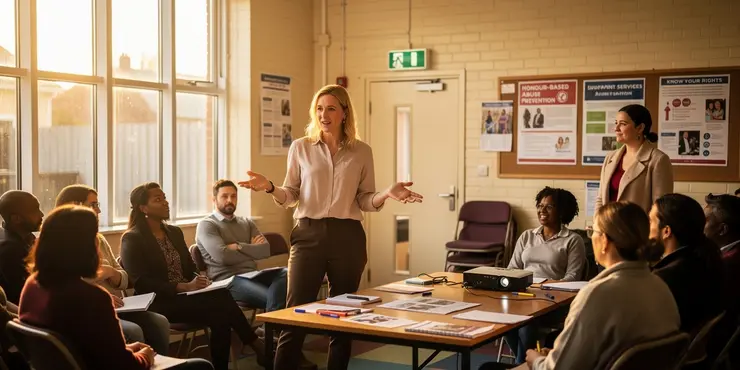
One of the most effective ways to prevent honour based abuse is through community education and awareness programs. Educating communities about the negative impacts of HBA and challenging the associated beliefs and practices is crucial. This involves engaging with community leaders and influencers to spread awareness and promote open dialogues about the detrimental effects of HBA. Supporting and empowering community members to speak out against HBA practices is also essential.
Training for Professionals
Professionals who work with potential victims, such as social workers, teachers, healthcare providers, and law enforcement officers, need specialized training to identify and respond to signs of honour based abuse. Training should focus on understanding the cultural contexts in which HBA occurs, recognizing warning signs, and knowing how to respond appropriately while ensuring the safety of the victim. This training should be incorporated into existing professional development programs.
Legislation and Legal Frameworks
Strengthening legal frameworks and ensuring strict enforcement of laws against HBA is critical. The UK has legislation, such as the Forced Marriage (Civil Protection) Act 2007, that provides protection and support for victims. Law enforcement agencies need to work closely with community organizations to efficiently use these legal tools to protect individuals at risk. Raising awareness about legal rights and protections available to victims is also necessary.
Support Services for Victims
Providing robust support services for victims of honour based abuse is crucial. These services should be accessible, confidential, and culturally sensitive. Helplines, shelters, and counseling services should be equipped to handle the specific needs of HBA victims. Collaboration between government agencies and non-governmental organizations is essential to ensure comprehensive support for victims, helping them to safely break free from abusive situations.
Encouraging Reporting and Disclosure
Creating a safe environment where victims feel comfortable reporting abuse is vital. Public awareness campaigns can help destigmatize HBA and encourage victims or those at risk to come forward and seek help. Providing multiple avenues for reporting, including anonymous and third-party reporting options, can increase the likelihood of disclosure. Ensuring that victims are aware of confidentiality and the support available to them can encourage reporting and help prevent future abuse.
Understanding Honour Based Abuse
Honour based abuse (HBA) is when someone hurts another person to protect their family's or community's good name. This can happen because of certain cultural or religious beliefs. HBA can look like different things, such as forcing someone to marry, being violent at home, or even killing. It is important to know the signs of HBA to stop it. Many times, this abuse is not reported because people are scared of bringing shame to their family.
Community Education and Awareness
Teaching communities about HBA can help stop it. It is important to talk about how bad HBA is and why the beliefs behind it are wrong. We need community leaders to help spread the word and have open talks about why HBA is harmful. Encouraging people in the community to speak out against HBA is also very important.
Training for Professionals
People who work with possible victims, like social workers, teachers, doctors, and police, need special training. They need to learn how to spot signs of HBA and how to help victims safely. This training should be part of their job learning.
Legislation and Legal Frameworks
Having strong laws against HBA and making sure they are followed is very important. For example, in the UK, there is a law that helps protect victims of forced marriage. Police and community groups need to work together to use these laws to keep people safe. Telling people about their legal rights can help protect them.
Support Services for Victims
It is very important to have support services for HBA victims. These services should be easy to access, private, and respectful of the victim's culture. Helplines, safe places, and counseling should be ready to help HBA victims with what they need. Government and private organizations need to work together to give victims the full support they need.
Encouraging Reporting and Disclosure
Making a safe place where victims feel okay to report abuse is key. Public campaigns can help remove the shame and encourage victims to seek help. Offering different ways to report, like doing it anonymously, can help more people come forward. Telling victims about privacy and the help available can make them more likely to report abuse and stop it from happening again.
Frequently Asked Questions
Honour-based abuse (HBA) is a form of violence committed to protect or defend the supposed honour of individuals, families, or communities. It can include physical, emotional, and sexual abuse, harassment, forced marriage, and even murder.
Communities can help prevent HBA by raising awareness, promoting gender equality, and challenging cultural norms that condone abuse. Encouraging open dialogue and supporting victims are crucial steps in prevention.
Education systems can play a key role by fostering a safe environment to discuss diversity, human rights, and respectful relationships. Educating young people about the consequences of HBA and providing resources for reporting abuse are important prevention measures.
Raising awareness helps communities understand the signs of HBA and the serious impacts it can have on victims. It encourages collective action against the practice and provides victims with the information they need to seek help.
Law enforcement can prevent HBA by receiving specialized training to recognize and respond to such incidents, working closely with community organizations, and enforcing laws that protect victims.
Strong legal measures, including clear definitions of HBA, strict penalties for perpetrators, and protection orders for victims, can be effective in preventing HBA. Ensuring these measures are implemented and enforced is crucial.
Healthcare professionals can help by identifying signs of abuse, providing victims with a safe space to disclose their experiences, and connecting them with appropriate resources and support services.
Yes, technology can aid in prevention by offering platforms for anonymous reporting, providing educational resources, and enabling better communication between victims and support networks.
Community resources such as support groups, counseling services, education programs, and advocacy organizations can provide necessary support to victims and work towards changing cultural attitudes that perpetuate HBA.
Promoting gender equality helps dismantle patriarchal structures that justify HBA. Addressing power imbalances and advocating for equal rights can reduce incidents of abuse linked to notions of honour.
Social services play a critical role by offering support and intervention to victims of HBA, working with families to address underlying issues, and acting in the best interests of at-risk individuals, especially children.
Cultural and religious leaders can be influential in prevention efforts by using their platforms to denounce HBA, encouraging dialogue within their communities, and promoting interpretations of culture that respect human rights.
Supporting victims is crucial because it empowers them to break free from cycles of abuse, seek justice, and rebuild their lives. Providing support highlights the seriousness of HBA and encourages others to speak out.
Governments can prevent HBA by implementing comprehensive policies that address prevention, protection, and prosecution. Funding for educational initiatives and support services is also critical.
Professionals, including educators, law enforcement, and healthcare workers, should receive training on the signs, risks, and dynamics of HBA and best practices for intervention and support.
Public awareness campaigns can disseminate information about the illegality and harmfulness of HBA, promote survivor stories, and educate the public on how to support those affected.
Effective reporting mechanisms are vital to ensure that victims and witnesses can report HBA safely and confidentially, and that authorities can take immediate action to protect victims.
Men can play a pivotal role in prevention by challenging norms that condone violence, promoting gender equality, and acting as allies to victims and advocates for change within their communities.
Age-appropriate education can equip young people with knowledge about their rights, the importance of consent, and healthy relationships, thus preventing the perception of HBA as acceptable behavior.
International cooperation can aid in prevention by sharing best practices, fostering bilateral agreements to protect victims across borders, and committing to global human rights standards that condemn HBA.
Honour-based abuse (HBA) is a type of harm. People do it to protect what they think is their family's or community's honour. It can include hitting, hurting feelings, unwanted touching, being mean, making someone marry, or even killing.
Communities can help stop HBA. They can do this by teaching people, treating everyone fairly, and stopping old rules that allow hurting others. Talking openly and helping those who get hurt are important ways to stop it.
Schools can help by being a safe place to talk about differences, fairness, and how to be respectful. Teaching kids about the bad effects of HBA and where to go for help can stop it from happening.
Telling people about this problem helps everyone know what to look for. It shows how bad it can be for people who get hurt. This helps everyone work together to stop it and gives people who need help the tips they need.
Police can stop HBA by learning special skills to spot and handle these cases. They can work with community groups and make sure they follow laws that keep people safe.
Strong laws can help stop HBA. This means having clear rules about what HBA is, strict punishments for those who do it, and keeping victims safe. Making sure these laws are followed is very important.
Doctors and nurses can help people who are being hurt. They can look for signs that someone is being hurt. They can make a safe place for people to talk about what happened. They can help people get the support and help they need.
Yes, technology can help stop bad things from happening. It lets people tell what happened without saying who they are. It also gives people helpful information and makes it easier for victims to talk to others who can help them.
There are many places that can help. Support groups, counseling, schools, and other organizations can all give important help to people. They also try to change how people think, so that harmful traditions and actions do not continue.
Helping boys and girls be equal means breaking old rules that let men have more power. By making sure everyone is treated the same, we can stop bad things from happening that are linked to old ideas about "honour."
Here are some things that might help you understand better:
- Use simple words.
- Read slowly and aloud.
- Ask someone to explain if you don’t understand.
- Use pictures to help you learn.
Social services help people who are in danger. They give support to victims and talk to families about their problems. They make sure to help people who need it, especially kids.
Community and religious leaders can help stop harmful behaviors. They can talk to people in their community about why these actions are wrong. They can also teach that their culture should respect everyone's rights.
Helping people who have been hurt is very important. It helps them to be safe, speak up, and feel better. When we help, we show that this problem is really serious. It also makes other people want to speak up too.
Governments can stop HBA by making good rules that help stop it, keep people safe, and punish those who do it. Giving money to teach people and help those affected is very important too.
People like teachers, police officers, and doctors should learn how to spot the signs of HBA. They should know the risks and how it works. It's important for them to learn the best ways to help and support people.
Public awareness campaigns help people learn that HBA is against the law and is harmful. They share stories from people who have survived and teach everyone how to help those who are affected.
To better understand, you can use tools like picture books or apps that read out loud to you. Talking to a friend or teacher can also help you understand more.
It is very important to have good ways for people to tell someone if they see or are hurt by HBA. This helps to keep them safe. It also means that the right people can help them quickly.
Men can help stop violence. They can do this by:
- Speaking up when they see or hear about violence.
- Treating everyone equally, no matter if they are a boy or a girl.
- Supporting people who have been hurt and standing up for what is right.
Tools like talking to a teacher or using a help line can be useful.
Teaching kids in a way that is right for their age helps them learn important things. They can learn about their rights, why saying "yes" is important, and how to have good friendships. This helps stop them from thinking hurtful actions are okay.
It helps to use tools like pictures or videos to make learning easier and more fun!
Countries can work together to help stop problems. They can share good ideas, make deals to help people in different countries, and agree on rules to keep everyone safe and happy.

Ergsy Search Results
This website offers general information and is not a substitute for professional advice.
Always seek guidance from qualified professionals.
If you have any medical concerns or need urgent help, contact a healthcare professional or emergency services immediately.
Some of this content was generated with AI assistance. We've done our best to keep it accurate, helpful, and human-friendly.
- Ergsy carefully checks the information in the videos we provide here.
- Videos shown by Youtube after a video has completed, have NOT been reviewed by ERGSY.
- To view, click the arrow in centre of video.
- Most of the videos you find here will have subtitles and/or closed captions available.
- You may need to turn these on, and choose your preferred language.
- Go to the video you'd like to watch.
- If closed captions (CC) are available, settings will be visible on the bottom right of the video player.
- To turn on Captions, click settings.
- To turn off Captions, click settings again.