
Get Answers
Introduction
Aspirin is widely recognized for its benefits in pain relief and reducing inflammation. However, recent research has suggested it may play a role in cancer prevention. If you're contemplating using aspirin for this purpose in the UK, it's essential to understand the risks, benefits, and appropriate steps to take.
Consult a Healthcare Professional
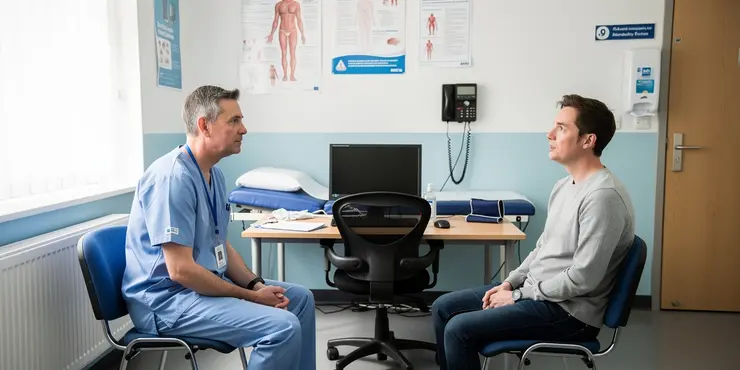
Before starting any medication for cancer prevention, it is crucial to consult with a healthcare professional. They can provide personalized advice based on your medical history and personal risk factors. Aspirin is not suitable for everyone, and a doctor can help determine if it's appropriate for you.
Understand the Risks
Aspirin can increase the risk of bleeding, particularly in the gastrointestinal tract and brain. It's not recommended for individuals with a history of peptic ulcers or bleeding disorders without medical supervision. Understanding these risks is vital before considering aspirin for cancer prevention.
Assess Your Cancer Risk
Your doctor will evaluate your individual cancer risk based on your family history, lifestyle, and other factors. Aspirin is often recommended for individuals with a higher risk of colorectal cancer but may not be justified for those at average risk. Personalized risk assessment helps tailor the decision-making process.
Review Current Guidelines
Stay informed about the latest guidelines from the National Institute for Health and Care Excellence (NICE) and other reputable sources. These guidelines provide evidence-based recommendations on using aspirin for cancer prevention and help inform your decision alongside professional medical advice.
Discuss the Benefits
Your healthcare provider can explain the potential benefits of aspirin for cancer prevention, especially regarding colorectal cancer. They can also talk about the evidence supporting aspirin use and how it may impact your overall cancer risk profile.
Consider Dosage and Duration
If aspirin is deemed appropriate for you, your doctor will discuss the correct dosage and how long you should take it. Usually, a low-dose aspirin regimen is suggested, but the exact dose and duration depend on individual factors and ongoing research findings.
Monitor and Reassess
If you decide to start taking aspirin, it is essential to have regular follow-ups with your healthcare provider. They will monitor for side effects and reassess the continued need for aspirin based on any new research, your changing health status, and ongoing risks and benefits.
Conclusion
Deciding whether to take aspirin for cancer prevention involves weighing the potential benefits against the risks, based on personal health factors and professional medical guidance. By consulting with a healthcare provider, evaluating your cancer risk, staying informed on current guidelines, and monitoring your health, you can make an informed decision on aspirin use for cancer prevention in the UK.
Introduction
Aspirin is a medicine that helps with pain and swelling. Some studies say it might also help prevent cancer. If you are thinking about using aspirin to prevent cancer in the UK, you need to know the good and bad sides and the right steps to take.
Talk to Your Doctor
Before taking aspirin to prevent cancer, talk to your doctor. They can give you advice based on your health. Aspirin is not for everyone, and your doctor can help you decide if it is right for you.
Know the Risks
Aspirin can cause bleeding, especially in the stomach or brain. People with a history of stomach ulcers or bleeding problems should not take aspirin without talking to a doctor. It is important to know these risks before using aspirin to prevent cancer.
Check Your Cancer Risk
Your doctor will look at your cancer risk based on your family's health, how you live, and other things. Aspirin may be recommended for people at higher risk of bowel cancer, but not for those at average risk. Knowing your risk helps in making the right decision.
Know the Rules
Stay up to date with the latest advice from the National Institute for Health and Care Excellence (NICE) and other trusted sources. These guidelines help you understand when it is recommended to use aspirin for cancer prevention, alongside advice from a doctor.
Talk About the Benefits
Your doctor can tell you how aspirin might help prevent cancer, especially bowel cancer. They can also explain the evidence that supports using aspirin and how it might affect your cancer risk.
Think About How Much and How Long
If aspirin is right for you, your doctor will tell you how much to take and for how long. Usually, a small dose is suggested, but it depends on you and new research.
Keep Checking and Ask Again
If you start taking aspirin, see your doctor regularly. They will check for side effects and decide if you should keep taking it based on new research and your health.
Conclusion
Deciding to take aspirin for cancer prevention means thinking about both the benefits and the risks. By talking to your doctor, checking your cancer risk, knowing the guidelines, and keeping an eye on your health, you can make a smart choice about using aspirin for cancer prevention in the UK.
Frequently Asked Questions
You should consider your personal risk factors for cancer, your overall health, potential benefits, and possible side effects of aspirin.
Long-term aspirin use can have risks, such as gastrointestinal bleeding and ulcers. It's important to assess these risks before starting aspirin therapy.
Consult with a healthcare professional, such as your doctor or an oncologist, before starting aspirin for cancer prevention.
Aspirin may reduce inflammation and block enzymes that promote tumor growth, potentially lowering cancer risk.
Common side effects include gastrointestinal issues, bleeding ulcers, and increased risk of hemorrhagic stroke.
Not everyone should use aspirin for cancer prevention. People with certain medical conditions or risks may be advised against it.
The dosage can vary. Consult with a healthcare professional for a personalized recommendation based on your risk factors.
Studies suggest that aspirin may help reduce the risk of colorectal, esophageal, and stomach cancers, among others.
Benefits may be more significant for individuals aged 50-70, but it's crucial to get a personalized assessment.
Yes, alongside aspirin, maintaining a healthy diet, exercising, avoiding smoking, and reducing alcohol can aid in cancer prevention.
Individuals with a history of bleeding disorders, certain stomach issues, or aspirin allergies should avoid aspirin use.
Evidence suggests long-term use, over years, may be necessary to see cancer-preventive benefits.
Other medications, like certain NSAIDs, have been studied, but consult your healthcare provider for alternatives.
A strong family history of cancer may influence the decision, as aspirin could potentially reduce higher inherited risks.
Yes, aspirin can interact with other medications and increase bleeding risks. Discuss all medications with your doctor.
Research continues to understand the mechanisms, effectiveness, and safety of aspirin for cancer prevention.
Combining aspirin with other strategies, like lifestyle changes and regular screenings, may enhance prevention.
Aspirin's effectiveness can vary based on individual risk factors and genetic predispositions.
Stop taking aspirin and seek medical advice immediately if you experience severe side effects like unusual bleeding.
Some studies suggest it might lower recurrence risk for certain cancers, but evidence is not conclusive for all types.
Think about what makes your chances of getting cancer higher. Also, think about how healthy you are. You should know the good things and bad things about taking aspirin.
Taking aspirin for a long time can be risky. It can hurt your stomach and cause bleeding or sores. It's important to check with a doctor before you start taking aspirin.
Here are some things you can do:
- Talk to a doctor or nurse about aspirin.
- Use simple words and ask questions if you don’t understand.
- Read about aspirin at the library or online with a helper.
Talk to a doctor or a cancer doctor before you start taking aspirin to help prevent cancer.
Aspirin can help stop swelling in the body. It can also block parts called enzymes that might help tumors grow. This can mean a lower chance of getting cancer.
Here are some ways to make reading easier:
- Read out loud to better understand the words.
- Use a ruler or finger to keep your place when reading.
- Take breaks if reading feels hard or tiring.
- Ask a friend or family member to read with you.
Some common side effects are tummy problems, bleeding inside the stomach, and a higher chance of getting a type of stroke where you bleed in your brain.
Not everyone should take aspirin to help stop cancer. Some people with health problems should not use it.
The amount you need can be different for everyone. Talk to a doctor or nurse to find out what is best for you. They can help you based on what you need.
Some studies say that aspirin might help lower the chance of getting cancer in the colon, food pipe, and stomach.
Getting help can be really good for people who are 50 to 70 years old. It's important to talk to a doctor or expert to see what you need.
Yes, taking aspirin can help prevent cancer. It's also important to eat healthy food, exercise, not smoke, and drink less alcohol.
If a person has had problems with bleeding, some tummy issues, or is allergic to aspirin, they should not take aspirin.
People might need to use it for many years to help prevent cancer.
There are other medicines like some called NSAIDs. These have been studied too. But, always talk to your doctor for other options.
If many people in your family have had cancer, it might make you think about using aspirin. Aspirin might help lower the chance of getting cancer if it runs in your family.
Yes, aspirin can mix with other medicines and might cause more bleeding. Talk to your doctor about all the medicines you take.
Scientists are still studying how aspirin works, how well it helps, and if it's safe to use for stopping cancer.
Taking aspirin with other healthy choices, like changing how you live and getting regular health check-ups, can help keep you healthy.
Aspirin works better for some people than for others. It depends on things like your health and your genes.
If you have bad side effects like strange bleeding, stop taking aspirin right away. Talk to a doctor as soon as you can.
Some studies say it might help stop some cancers from coming back, but scientists are not sure yet if it helps with all cancers.

Ergsy Search Results
This website offers general information and is not a substitute for professional advice.
Always seek guidance from qualified professionals.
If you have any medical concerns or need urgent help, contact a healthcare professional or emergency services immediately.
Some of this content was generated with AI assistance. We've done our best to keep it accurate, helpful, and human-friendly.
- Ergsy carefully checks the information in the videos we provide here.
- Videos shown by Youtube after a video has completed, have NOT been reviewed by ERGSY.
- To view, click the arrow in centre of video.
- Most of the videos you find here will have subtitles and/or closed captions available.
- You may need to turn these on, and choose your preferred language.
- Go to the video you'd like to watch.
- If closed captions (CC) are available, settings will be visible on the bottom right of the video player.
- To turn on Captions, click settings.
- To turn off Captions, click settings again.