
Get Answers
Understanding the Importance of Regular Blood Pressure Checks
In the UK, maintaining a healthy blood pressure is crucial for overall well-being. Regular monitoring can help detect hypertension early, a condition that affects a significant portion of the population and poses risks for heart disease and stroke. Knowing how often to check your blood pressure can depend on various factors, including age, existing health conditions, and overall risk factors.
General Guidelines for Blood Pressure Monitoring
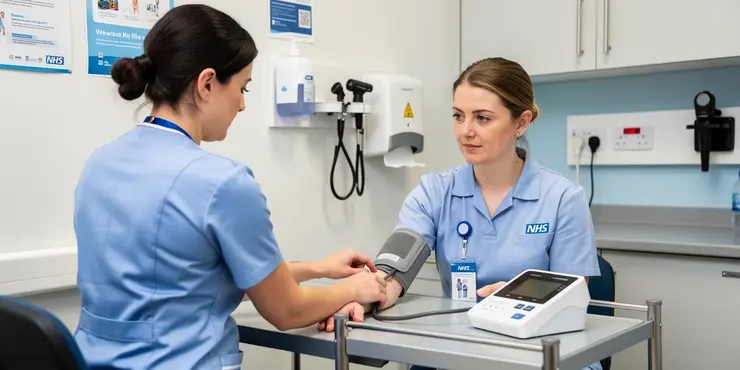
For most adults, it is advisable to have your blood pressure checked at least once every five years if you are within a normal range. However, if you are above the age of 40, the NHS recommends having it checked every year. These routine checks can be conducted by your GP, local pharmacy, or through self-monitoring at home with a reliable blood pressure monitor.
Factors Influencing Frequency of Checks
Frequency should increase if certain risk factors or existing health issues are present. For individuals diagnosed with hypertension, regular monitoring is essential to ensure that the condition is managed effectively. This might mean checking your blood pressure several times a week as part of a management plan agreed with your healthcare provider. Equally, those with a family history of hypertension or related conditions should consider more frequent checks.
Using Home Blood Pressure Monitors
Home monitoring can be a convenient way to keep track of your blood pressure, offering flexibility and the ability to better understand how lifestyle factors like diet and exercise might influence your readings. It is important to ensure that the monitor is properly calibrated, and readings are taken consistently, ideally at the same time each day under similar conditions, following all instructions closely. Regularly sharing these readings with your GP can help in adjusting any treatment plans.
When to Seek Medical Advice
If a home measurement shows you have a high or low reading, it is important to consult with a healthcare professional. High blood pressure readings (typically 140/90 mmHg or above) over a few checks can indicate a need for medical intervention. Conversely, very low readings might also require a review of current medications or health conditions. Healthcare professionals can provide guidance on lifestyle changes or adjust medications as necessary.
Conclusion
Monitoring blood pressure regularly is a vital component of maintaining good cardiovascular health. Ensuring that you check your blood pressure at a frequency appropriate to your personal health needs will help in managing any potential issues proactively. Whether through annual checks with a healthcare provider or more frequent home monitoring, being informed and proactive can make a significant difference in your long-term health outcomes.
Why Checking Blood Pressure is Important
In the UK, it is important to keep your blood pressure healthy. Checking it regularly helps find problems early. High blood pressure can cause heart problems or strokes. How often you should check depends on your age, health, and risks.
How Often to Check Blood Pressure
Most adults should check their blood pressure once every five years if it is normal. If you are over 40, the NHS says you should check it every year. You can do this with your doctor, at a pharmacy, or by using a home blood pressure machine.
When to Check More Often
You might need to check more often if you have health problems or risks. If you have high blood pressure, check it regularly, maybe a few times a week, as your doctor says. If your family has a history of high blood pressure, you should also check more often.
Using a Home Blood Pressure Machine
Checking at home can be easy and help you see how your habits affect your blood pressure. Make sure your device works correctly and check at the same time every day. Follow the instructions closely and show your doctor the results to help with your treatment.
When to Talk to a Doctor
If a home check shows high or low results, talk to a doctor. High blood pressure (140/90 mmHg or more) over several checks may need treatment. Low results might mean your medicines or health need checking. Doctors can suggest lifestyle changes or adjust your medicine as needed.
Conclusion
Checking your blood pressure often is important for heart health. Make sure you check it as often as needed for your health. This can help prevent problems and keep you healthy. You can do this with regular doctor visits or at home to stay informed and take care of your health.
Frequently Asked Questions
If you are healthy and have normal blood pressure, it's recommended to check it at least once every two years during your routine healthcare visit.
If you have high blood pressure, your doctor might recommend checking it more frequently, such as once a day or a few times a week, depending on your treatment plan.
Yes, home monitoring can provide valuable information about your blood pressure levels and how well your treatment is working. Discuss with your doctor how often you should measure it at home.
Factors that can affect this include your age, overall health, risk factors for heart disease, and whether you have been diagnosed with high blood pressure.
If you have prehypertension, your doctor might suggest checking it more frequently than someone with normal blood pressure, possibly monthly or as advised.
Yes, during pregnancy, it's important to monitor blood pressure regularly, as changes can occur that affect both mother and baby. Follow your healthcare provider's recommendations.
Stress can temporarily raise blood pressure, so if you experience chronic stress, your doctor may suggest monitoring it more frequently to ensure it isn't consistently elevated.
Older adults should have their blood pressure checked more often, typically at each doctor's visit, and may need home monitoring depending on their health status.
Blood pressure can vary throughout the day, so it's often best to check it at different times as recommended by your healthcare provider to get an accurate assessment.
A diet high in salt, fat, and alcohol can affect blood pressure. If you're making dietary changes to control blood pressure, you may need to monitor it more closely to see the effects.
Yes, if you have recently changed your exercise habits or started a new fitness plan, you may need to monitor your blood pressure more often to understand how your body is responding.
Home blood pressure monitors can be quite reliable, but it's important to use a validated monitor and have your technique checked by a healthcare professional.
Consult with your healthcare provider if you consistently get high readings at home. They may adjust your treatment plan or recommend further evaluations.
To ensure accurate readings, sit quietly for 5 minutes before measuring, use a properly fitting cuff, and follow the instructions provided with your home monitor.
Yes, keeping a record can help you and your healthcare provider track your blood pressure over time and make informed decisions about your care.
Yes, high blood pressure often has no symptoms, so regular checks are important to detect any changes early, even if you feel well.
If you're on medications that affect blood pressure, your doctor may recommend frequent monitoring to ensure the medications are working as intended.
If you have diabetes, it's generally recommended to check your blood pressure more regularly, as you're at higher risk for cardiovascular issues.
Yes, as you make lifestyle changes such as losing weight, quitting smoking, or changing your diet, regular monitoring can help you see the effect on your blood pressure.
Not monitoring your blood pressure can lead to unmanaged hypertension, increasing the risk of heart disease, stroke, and other complications.
If you are healthy and your blood pressure is normal, it's a good idea to have it checked at least once every two years when you visit the doctor.
If you have high blood pressure, your doctor might tell you to check it more often. This could be once a day or a few times a week. It depends on your treatment plan.
Yes, checking your blood pressure at home can help you learn important things about your health. It shows you how well your treatment is working. Ask your doctor how often you should check it at home.
Things that can change this are how old you are, how healthy you are, if you might get heart problems, and if a doctor has told you that you have high blood pressure.
If your blood pressure is a bit high, your doctor might want you to check it more often. This could be every month or as often as your doctor tells you.
When you are pregnant, it is important to check your blood pressure often. This is because changes can happen that affect you and your baby. Do what your doctor or nurse says.
Stress can make your blood pressure go up for a little while. If you feel stress a lot, your doctor might ask you to check your blood pressure more often. This helps to make sure it does not stay high all the time.
Older people should have their blood pressure checked a lot. They should do this when they see the doctor. Sometimes, they might need to check their blood pressure at home. This depends on how healthy they are.
Blood pressure can change during the day. It’s good to check it at different times. Ask your doctor when you should test your blood pressure to get a clear picture.
Eating lots of salty foods, fatty foods, and drinking alcohol can make your blood pressure go up. If you want to eat healthier to help your blood pressure, you should check it often to see how you're doing.
If you have started to exercise in a new way, you should check your blood pressure more often. This will help you see how your body is doing.
Home blood pressure machines can work well. It's important to use a good machine. Ask a doctor or nurse to check how you use it.
Talk to your doctor if you keep getting high numbers when you check your health at home. They might change your medicine or suggest more tests.
To get the right reading, sit still and quiet for 5 minutes before you measure. Use a cuff that fits well, and read the instructions that come with your home monitor.
Writing down your blood pressure numbers is a good idea. It helps you and your doctor see how your blood pressure changes. This can help you both make smart choices about your health.
High blood pressure means your heart works too hard to pump blood. You might not feel any different if you have it. That's why it's important to get your blood pressure checked regularly. Even if you feel healthy, you should still check it to catch any problems early.
If you find it hard to read, you can use these tips:
- Read slowly and take breaks when you need to.
- Ask someone you trust to help read with you.
- Use a ruler or your finger to follow the words.
- Read out loud to hear the words better.
If you are taking medicine for your blood pressure, your doctor might tell you to check your blood pressure often. This is to make sure the medicine is working like it should.
If you have diabetes, it's important to check your blood pressure often. This is because you might have a higher chance of heart problems.
Yes, when you change things in your life, like losing weight, stopping smoking, or eating better, checking your blood pressure often can show you how these changes help.
Not checking your blood pressure can be bad. It can cause high blood pressure that is not controlled. This can make it more likely to have heart problems, a stroke, and other health issues.

Ergsy Search Results
This website offers general information and is not a substitute for professional advice.
Always seek guidance from qualified professionals.
If you have any medical concerns or need urgent help, contact a healthcare professional or emergency services immediately.
Some of this content was generated with AI assistance. We've done our best to keep it accurate, helpful, and human-friendly.
- Ergsy carefully checks the information in the videos we provide here.
- Videos shown by Youtube after a video has completed, have NOT been reviewed by ERGSY.
- To view, click the arrow in centre of video.
- Most of the videos you find here will have subtitles and/or closed captions available.
- You may need to turn these on, and choose your preferred language.
- Go to the video you'd like to watch.
- If closed captions (CC) are available, settings will be visible on the bottom right of the video player.
- To turn on Captions, click settings.
- To turn off Captions, click settings again.