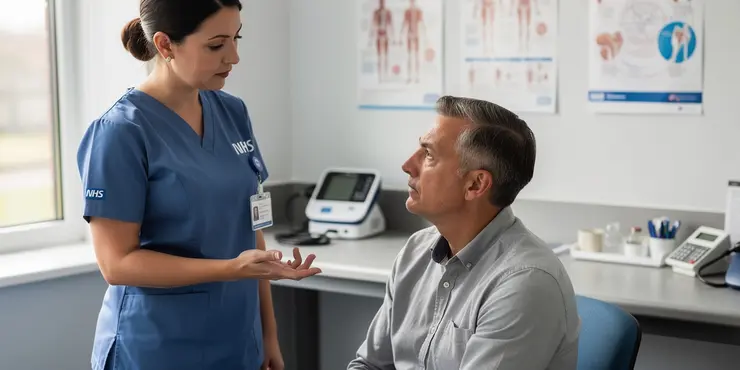

Speak To An Expert
Get clear, personalised advice for your situation.
Jot down a few questions to make the most of your conversation.
What is High Blood Pressure?
High blood pressure, also known as hypertension, is a condition in which the force of blood against the walls of the arteries is consistently too high. It is a common condition that can lead to severe health problems if left untreated. High blood pressure is often called the "silent killer" because it may not present noticeable symptoms until significant damage has occurred.
Common Symptoms of High Blood Pressure
Despite its reputation as a silent condition, there are several symptoms that may indicate the presence of high blood pressure. However, it is important to note that many people with high blood pressure experience no symptoms at all, even when blood pressure readings reach dangerously high levels.
Headaches: One of the most common symptoms reported is headaches, particularly a pounding feeling in the head. These headaches may occur more frequently in the morning.
Dizziness or Lightheadedness: Some people with high blood pressure may experience frequent episodes of dizziness or feeling lightheaded.
Blurred Vision: Vision problems or sudden changes in vision can sometimes be a symptom of high blood pressure, indicating damage to the blood vessels in the eyes.
Nosebleeds: Frequent or unexplained nosebleeds can be a sign of high blood pressure, though they are more common when blood pressure levels are extremely high.
Shortness of Breath: Difficulty breathing or shortness of breath can be an indication that high blood pressure is affecting the heart or lungs.
Chest Pain: Some individuals may experience chest pain, which could be a warning sign of a more serious condition like heart disease.
When to Seek Medical Advice
If you experience any of these symptoms, it is crucial to seek medical advice promptly. Additionally, regular blood pressure checks are vital, especially if you have risk factors for hypertension, such as a family history of the condition, obesity, a sedentary lifestyle, a high-salt diet, or excessive alcohol consumption.
Even if you feel well, regular screenings can help detect high blood pressure early, allowing you to manage the condition effectively and reduce the risk of complications. If diagnosed with high blood pressure, it's essential to follow your GP's advice on lifestyle changes and any prescribed medications.
Conclusion
While high blood pressure can be symptomless for many, understanding and recognising potential symptoms can prompt timely medical evaluation and management. Regular health checks and being mindful of changes in your health can play a significant role in maintaining a healthy blood pressure level. If you have concerns about your blood pressure, consult a healthcare professional to ensure you receive appropriate care and guidance.
What is High Blood Pressure?
High blood pressure is when the blood pushes too hard against the walls of the arteries. It can cause serious health problems if not treated. It's often called the "silent killer" because many people don't know they have it until it causes big problems.
Common Signs of High Blood Pressure
Even though it is called a silent condition, there are some signs to watch out for. Many people with high blood pressure don't feel any different, even when it goes very high.
Headaches: You might have a headache that feels like pounding in your head. This can happen a lot in the morning.
Feeling Dizzy: You might feel dizzy or like you're going to faint often.
Blurry Vision: Sometimes, your sight might get blurry because of high blood pressure, which can hurt your eyes.
Nosebleeds: Getting nosebleeds often, especially when your blood pressure is very high, can be a sign.
Shortness of Breath: Breathing might be hard, or you might feel out of breath. This can show that high blood pressure is affecting your heart or lungs.
Chest Pain: Some people might feel pain in their chest. This can mean something more serious, like heart disease.
When to Get Medical Help
If you notice these signs, it's important to see a doctor quickly. Getting your blood pressure checked often is important, especially if your family has it, or if you're overweight, don't exercise, eat a lot of salty food, or drink a lot of alcohol.
Even if you feel okay, regular check-ups can find high blood pressure early. This helps you manage it and avoid problems. If you have high blood pressure, follow your doctor's advice on healthy changes and any medicines they give you.
Conclusion
High blood pressure might not show any signs for some people. But knowing the signs can help you get checked by a doctor and manage it better. Regular health checks and noticing changes in your body are important to keep your blood pressure healthy. If you're worried about your blood pressure, talk to a healthcare professional to get the right help and advice.
Frequently Asked Questions
High blood pressure symptoms are often absent, which is why it is called a silent condition. When symptoms do happen, they may include headaches, dizziness, blurred vision, shortness of breath, or nosebleeds, but these are not specific to high blood pressure symptoms alone.
Yes, high blood pressure symptoms can be completely absent for years. Many people only discover high blood pressure during a routine checkup or after a complication occurs.
Headaches can occur with high blood pressure symptoms, but they are not a reliable indicator by themselves. Many headaches happen for other reasons, so blood pressure should be measured to know for sure.
Yes, dizziness can sometimes be part of high blood pressure symptoms. However, dizziness has many possible causes, so it should not be used alone to diagnose high blood pressure.
Blurred vision can be a possible high blood pressure symptom, especially if blood pressure is very elevated. It can also signal other eye or neurological problems, so prompt medical evaluation is important.
Chest pain is not a typical everyday high blood pressure symptom, but very high blood pressure can contribute to serious heart problems that cause chest pain. Chest pain should always be treated as urgent.
Yes, shortness of breath can be related to high blood pressure symptoms when the condition affects the heart or lungs. If shortness of breath is sudden or severe, emergency care may be needed.
Nosebleeds can happen during episodes of very high blood pressure, but they are not a common or dependable symptom. Most nosebleeds are caused by other factors such as dryness, irritation, or injury.
Fatigue can sometimes occur with high blood pressure symptoms, especially if the heart is under strain. Because fatigue is very common and nonspecific, blood pressure testing is needed to confirm the cause.
Yes, some people report a pounding sensation in the chest, neck, or ears as part of high blood pressure symptoms. This can also happen with anxiety, caffeine, or other conditions.
Yes, high blood pressure symptoms are more likely to appear when blood pressure is dangerously high. Severe symptoms may include severe headache, chest pain, confusion, weakness, vision changes, or trouble breathing.
Yes, confusion or trouble thinking clearly can occur when blood pressure is extremely high and affecting the brain. This is a medical emergency and needs immediate evaluation.
Some people with high blood pressure symptoms report ringing in the ears, but it is not a specific sign of the condition. Ear ringing has many causes, so it should be checked if persistent.
High blood pressure symptoms are usually the same in younger adults and older adults, and many people have no symptoms at all. Because symptoms are often absent, regular screening is important at any age.
Yes, high blood pressure symptoms such as headache, palpitations, and dizziness can overlap with stress or anxiety. Only a blood pressure measurement can help determine whether high blood pressure is present.
High blood pressure symptoms should be treated as an emergency if they include chest pain, severe headache, shortness of breath, weakness, confusion, vision loss, or trouble speaking. These can be signs of a hypertensive crisis or stroke.
Yes, missing blood pressure medication can lead to elevated readings and high blood pressure symptoms in some people. If medication has been missed, follow the prescribed plan and contact a clinician if symptoms are severe.
High blood pressure symptoms are diagnosed by measuring blood pressure rather than by symptoms alone. Repeated readings over time help confirm whether high blood pressure is present.
High blood pressure symptoms may come and go, but the underlying high blood pressure usually does not go away on its own. Ongoing management is important to reduce the risk of heart, brain, and kidney complications.
If someone thinks they have high blood pressure symptoms, they should check their blood pressure if possible and seek medical advice. Emergency care is needed for severe symptoms like chest pain, trouble breathing, confusion, weakness, or sudden vision changes.

Ergsy Search Results
This website offers general information and is not a substitute for professional advice.
Always seek guidance from qualified professionals.
If you have any medical concerns or need urgent help, contact a healthcare professional or emergency services immediately.
Some of this content was generated with AI assistance. We've done our best to keep it accurate, helpful, and human-friendly.
- Ergsy carefully checks the information in the videos we provide here.
- Videos shown by Youtube after a video has completed, have NOT been reviewed by ERGSY.
- To view, click the arrow in centre of video.
- Most of the videos you find here will have subtitles and/or closed captions available.
- You may need to turn these on, and choose your preferred language.
- Go to the video you'd like to watch.
- If closed captions (CC) are available, settings will be visible on the bottom right of the video player.
- To turn on Captions, click settings.
- To turn off Captions, click settings again.