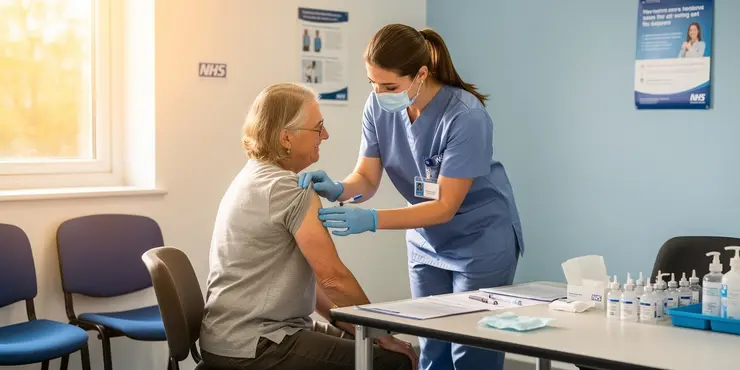

Find Help
More Items From Ergsy search
-
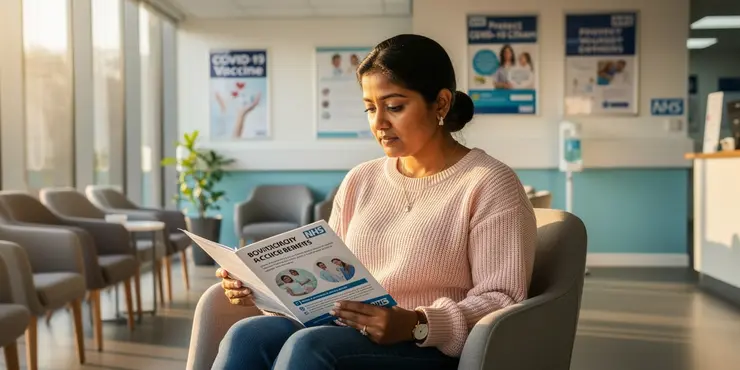
Should I get a COVID jab?
Relevance: 100%
-

Can I receive other vaccines at the same time as the COVID jab?
Relevance: 96%
-
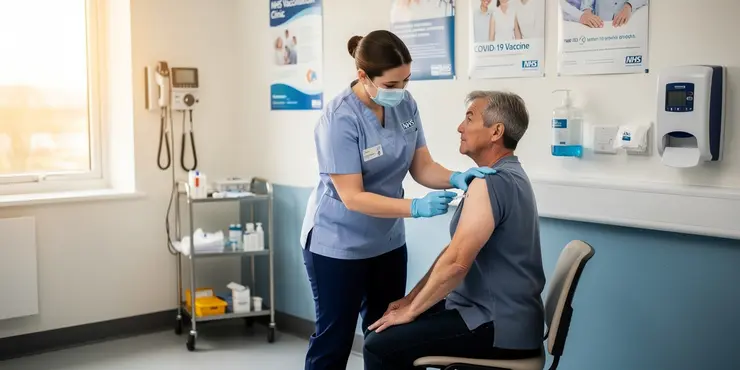
Are COVID jabs safe?
Relevance: 95%
-
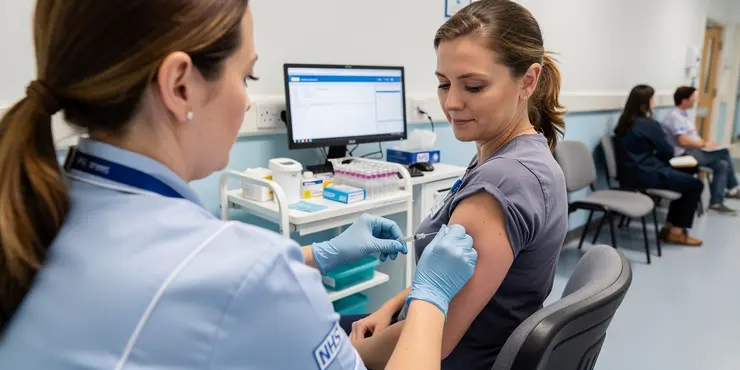
What is a booster jab, and do I need one?
Relevance: 94%
-
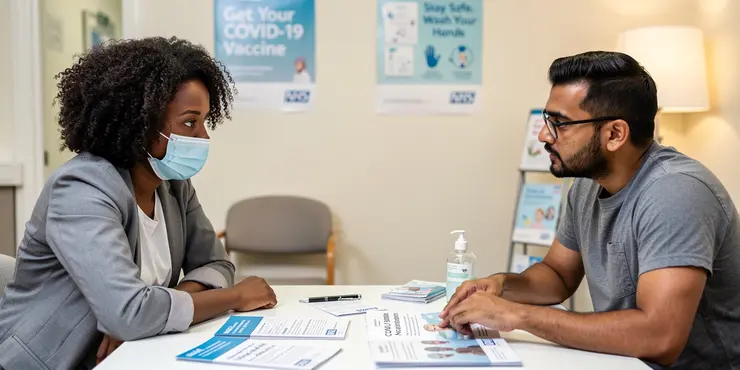
How do COVID jabs work?
Relevance: 92%
-
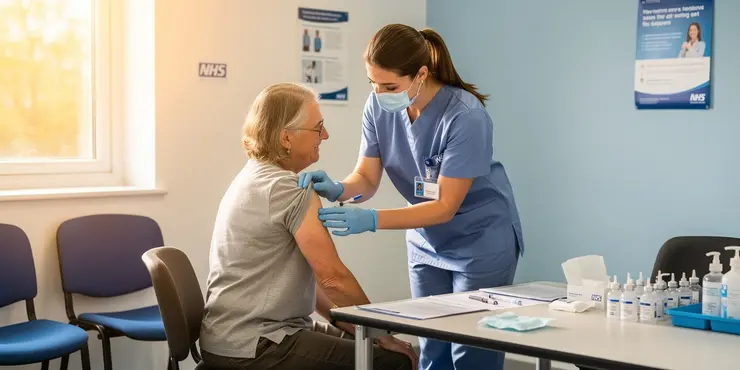
when will i need my next COVID jab?
Relevance: 88%
-

What are the benefits of getting a COVID jab?
Relevance: 86%
-
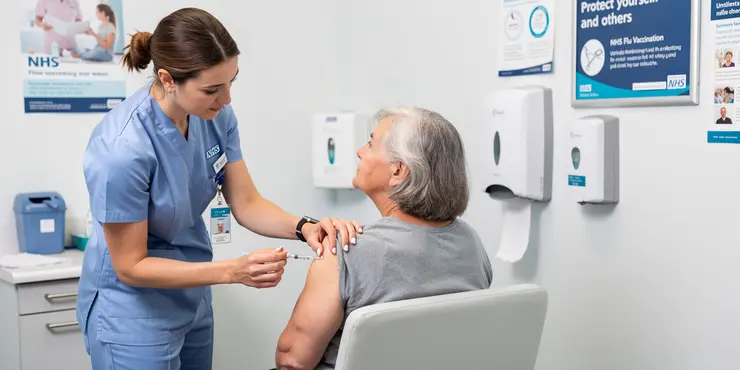
Will getting the flu jab protect me against COVID-19?
Relevance: 84%
-
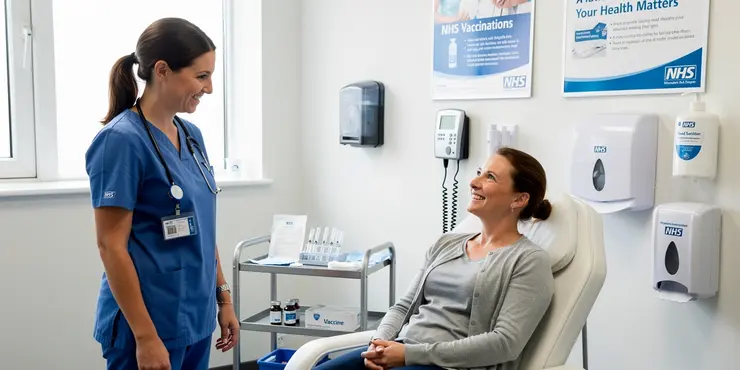
How can I get a COVID jab appointment?
Relevance: 82%
-

Do vaccines work against new COVID-19 variants?
Relevance: 80%

-

Should I get vaccinated if I already had COVID-19?
Relevance: 76%
-

How can I protect myself from new COVID-19 variants?
Relevance: 75%
-

Can the COVID jab give me COVID-19?
Relevance: 74%
-
Are there any long-term side effects of the COVID jab?
Relevance: 74%
-
What should I do if I miss my second COVID jab appointment?
Relevance: 73%
-

Are there vaccination recommendations for people with compromised immune systems?
Relevance: 70%
-

Does the flu vaccine protect against COVID-19?
Relevance: 70%
-

Do I still need to wear a mask after getting the COVID jab?
Relevance: 68%
-
New Covid Variant Strains
Relevance: 68%
-

Who is eligible to receive the COVID jab?
Relevance: 67%
-

Can I get the COVID jab if I am pregnant or breastfeeding?
Relevance: 64%
-
How can I protect myself from Covid-19 variants?
Relevance: 63%
-
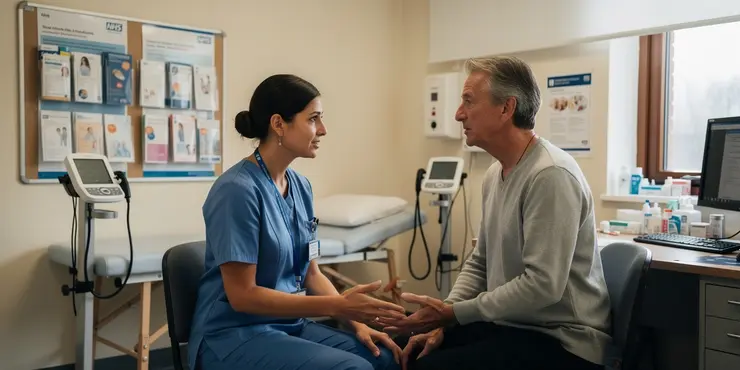
Are new COVID-19 variants more dangerous?
Relevance: 62%
-

Does the COVID jab affect fertility?
Relevance: 62%
-

Can I get the COVID jab if I have allergies?
Relevance: 61%
-

How often do new COVID-19 variants emerge?
Relevance: 61%
-
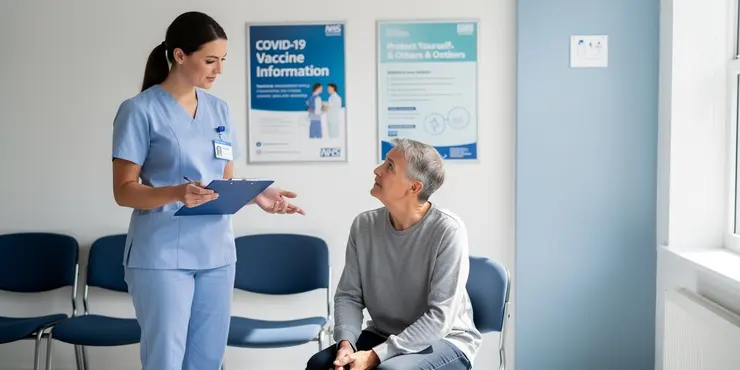
What should I do if I experience side effects after the COVID jab?
Relevance: 61%
-
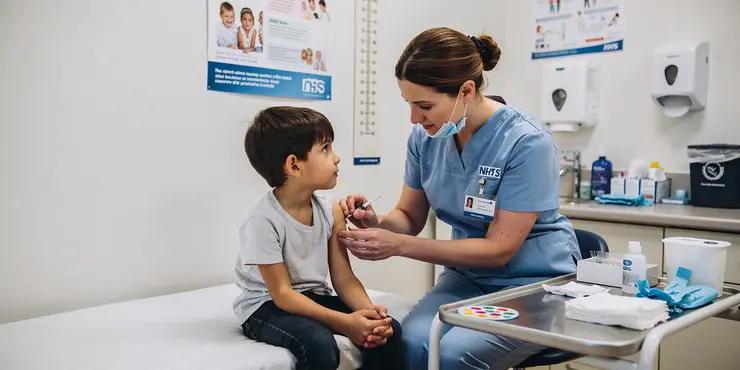
Why do some vaccines require multiple doses?
Relevance: 59%
-
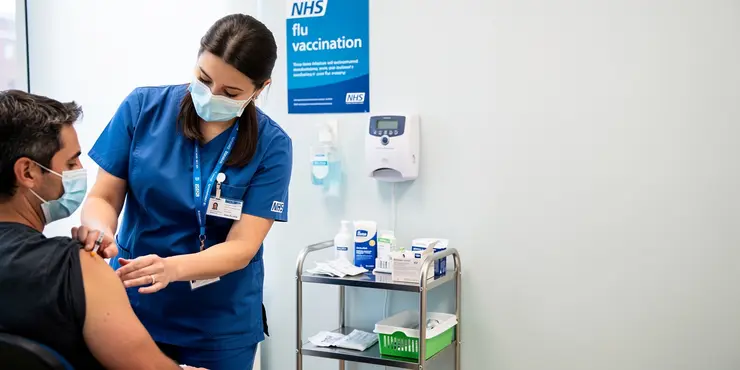
How long does it take for the flu jab to become effective?
Relevance: 57%
-
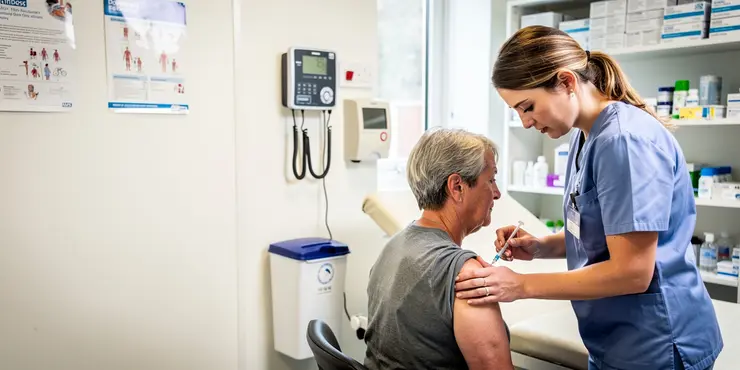
When is the best time to get the flu jab?
Relevance: 57%
-

What are the Nimbus and Stratus variants of Covid?
Relevance: 57%
-

Can new variants cause reinfection?
Relevance: 56%
-

What is a COVID-19 variant?
Relevance: 56%
-

Should I get the winter flu jab if I am otherwise healthy?
Relevance: 55%
-

Will I experience side effects from the COVID jab?
Relevance: 55%
-
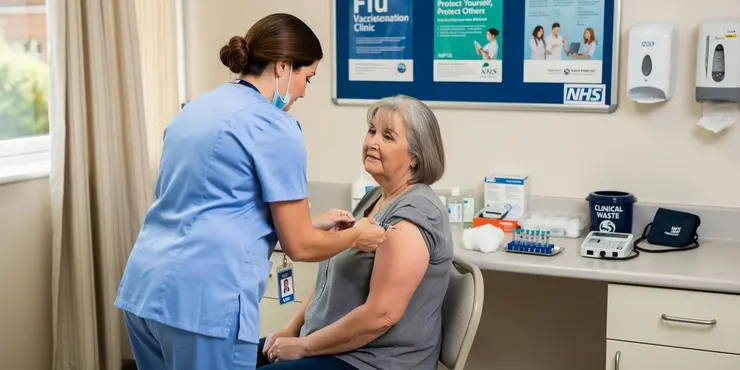
How does the winter flu jab work?
Relevance: 54%
-

How do COVID-19 variants arise?
Relevance: 53%
-
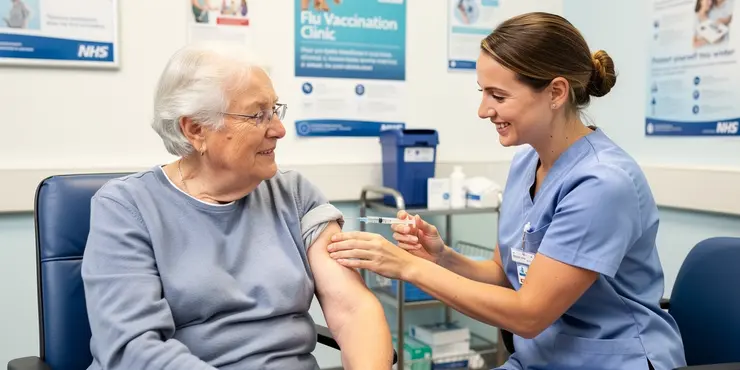
What is the winter flu jab?
Relevance: 53%
-
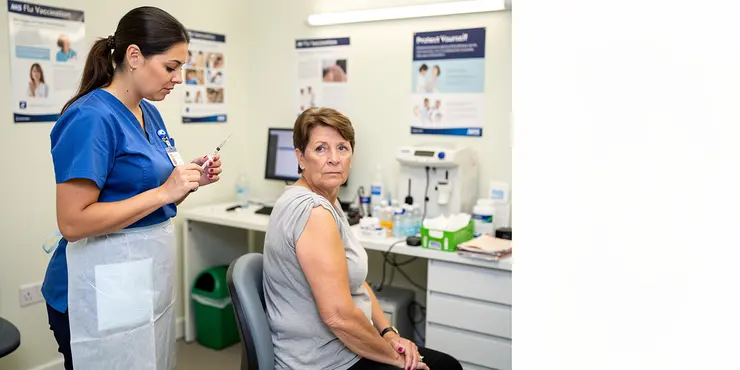
Can the flu jab give me the flu?
Relevance: 53%
-

Long Covid
Relevance: 53%
Introduction to COVID-19 Vaccine Immunity
Understanding how long immunity lasts after receiving a COVID-19 vaccine is crucial as the United Kingdom continues to navigate the pandemic. Vaccines are a critical tool in the fight against COVID-19, but like many vaccines, the duration of immunity can vary based on several factors. This article explores what current research and health guidelines say about the longevity of vaccine-induced immunity.
Initial Immunity Post-Vaccination
Once an individual receives the final dose of the COVID-19 vaccine, it typically takes two weeks for immunity to reach its peak. The available vaccines, including those from Pfizer/BioNTech, Moderna, and AstraZeneca, have demonstrated high efficacy rates in preventing symptomatic infection shortly after full vaccination. Studies have shown that these vaccines reduce the risk of serious illness, hospitalization, and death significantly.
Long-Term Immunity and Booster Doses
Research has indicated that immunity from the COVID-19 vaccines can start to wane over time. This has been especially noted after the six-month mark following the second dose. Because of this waning immunity, health agencies in the UK, such as the NHS, have implemented booster dose campaigns to prolong and enhance protection. Booster doses have been shown to significantly increase antibody levels, which in turn enhances immunity.
Factors Influencing Duration of Immunity
The duration of immunity can be influenced by several factors including age, health status, and the specific variant of the virus in circulation. Older adults and those with compromised immune systems tend to experience more rapid waning of vaccine-induced immunity. Additionally, new variants, such as the Delta and Omicron variants, have posed challenges as they exhibit certain degrees of resistance to antibodies generated by the original vaccines.
Current Recommendations
As of now, the UK government and health organizations recommend that those at higher risk receive regular updates on their vaccination status and possibly receive booster doses to maintain high levels of immunity. The Joint Committee on Vaccination and Immunisation (JCVI) regularly reviews emerging evidence and adjusts recommendations based on the latest scientific data. This includes considerations for seasonal boosters or additional doses targeted at specific variants.
Conclusion
While the exact duration of immunity following COVID-19 vaccination is still being studied, current evidence suggests that booster doses play a crucial role in maintaining immunity over time. Individuals should stay informed about the latest health guidelines and consult with healthcare providers about their vaccination needs. Keeping up with recommended vaccination schedules is vital for continued protection as the situation evolves.
COVID-19 Vaccine Immunity
COVID-19 vaccines are really important. They help keep us safe from the virus. Knowing how long the vaccine keeps us safe is important. This text will tell you what experts say about this.
How Immunity Works After the Vaccine
Two weeks after your last vaccine dose, your protection is at its best. These vaccines, like the ones from Pfizer, Moderna, and AstraZeneca, work well. They stop people from getting very sick and going to the hospital.
Immunity Over Time and Extra Doses
Over time, the vaccine might protect you less. This might happen after about six months. To help, people might need extra vaccine doses. These extra doses, called boosters, help keep protection strong.
What Makes Immunity Last Different Lengths
Many things affect how long the vaccine lasts. Older people and those with weaker health might need extra help sooner. New COVID-19 variants can also make it harder for vaccines to work as well.
What Health Experts Say to Do
Experts in the UK say some people should get booster doses. This keeps them protected. Health experts check new data and give advice about vaccines. They might suggest seasonal or special boosters for new variants.
Final Thoughts
We are still learning how long the vaccine protects us. Booster doses are important for staying safe. It's good to listen to health advice and talk to doctors about getting vaccines. Keeping up with vaccines helps protect everyone.
Frequently Asked Questions
How long does immunity last after the first dose of the COVID-19 vaccine?
Partial immunity starts 2-3 weeks after the first dose, but full immunity requires a second dose for most vaccines.
What is the duration of immunity after the second dose of a COVID-19 vaccine?
Full immunity is usually reached 2 weeks after the second dose and can last for several months, but duration may vary.
How effective are booster shots in prolonging immunity?
Booster shots help restore and extend immunity, particularly against variants, by boosting antibody levels.
Does immunity decline over time after vaccination?
Studies suggest that antibody levels may decline over time, but vaccines still help prevent severe disease.
How does the duration of COVID-19 vaccine immunity compare to natural infection?
Vaccine-induced immunity may provide more consistent protection, but immunity from natural infection also lasts several months.
Are there differences in immunity duration between different COVID-19 vaccines?
Overall protection levels are similar, but some differences exist in effectiveness against variants and duration.
How often will COVID-19 vaccination be needed to maintain immunity?
Booster doses might be needed periodically, similar to flu vaccines, but research is ongoing to determine frequency.
Can I get infected after getting vaccinated against COVID-19?
Breakthrough infections can occur, but vaccines provide strong protection against severe illness and hospitalization.
Do vaccinated individuals need to follow the same precautions as unvaccinated individuals?
Vaccinated people can often follow relaxed guidelines, but precautions may still be advised, especially with high transmission.
What factors influence the duration of immunity from the COVID-19 vaccine?
Factors include age, immune status, vaccine type, and viral variants.
How do viral variants affect COVID-19 vaccine immunity duration?
Variants can impact vaccine effectiveness, but boosters are designed to address these changes.
Is there a test to determine how long my COVID-19 vaccine immunity will last?
Antibody tests exist but are not commonly recommended to assess immunity strength or duration.
Will additional booster shots provide longer-lasting immunity?
Boosters increase antibody levels temporarily, but the need for future doses depends on evolving data.
Are some populations at greater risk for waning immunity from COVID-19 vaccines?
Older adults and immunocompromised individuals may experience faster waning immunity.
Can I rely on vaccination alone to prevent COVID-19 indefinitely?
Vaccines are crucial, but additional measures like masks and distancing can be important.
Has research determined the maximum duration of vaccine-induced immunity?
COVID-19 vaccine immunity is still being studied, but ongoing research is providing insights.
Do all COVID-19 vaccines offer the same duration of protection?
Protection duration can vary slightly between vaccines, but all offer significant protection.
What impact does achieving herd immunity have on individual vaccination needs?
Herd immunity reduces virus spread, which might affect individual risk but vaccines remain key.
Can previous vaccination affect my immune response to future doses?
Prior vaccination typically boosts the immune response to subsequent doses, maintaining protection.
Are there differences in immunity duration from COVID-19 vaccines in children?
Research is ongoing, but lower-dose versions effective for children are expected to offer strong protection.
How long does the COVID-19 vaccine protect you after the first shot?
Some protection from the vaccine starts 2 to 3 weeks after the first shot. But, for most vaccines, you need a second shot to be fully protected.
How long does the COVID-19 vaccine work after the second shot?
The COVID-19 vaccine needs two shots. This question asks how long the vaccine helps protect you after the second shot.
If you want more help, you can use things like:
- Pictures to help you understand.
- Someone to read the question with you.
- Telling the question in your own words.
It takes 2 weeks after the second shot for your body to be fully protected. This protection can last for many months, but it is different for everyone.
Do booster shots help you stay protected from sickness longer?
Booster shots make our body's defense system stronger. They help keep us safe, especially from different types of germs. They do this by making more antibodies, which are like little soldiers that fight off sickness.
Does the protection from the vaccine go away over time?
Studies show that antibodies might go down over time. But vaccines still help stop people from getting very sick.
How long does protection last from the COVID-19 vaccine and from getting the virus?
Getting a vaccine can help you stay safe, and it works well for a lot of people. But if you get sick and then get better, your body can also stay strong for some months.
Do COVID-19 vaccines protect us for different amounts of time?
Protection is mostly the same, but there are some small differences. These differences are in how well it works against different versions of the virus and how long it lasts.
How often will you need a COVID-19 shot to stay safe?
We might need extra vaccine shots sometimes, like how we get flu shots. Scientists are still figuring out how often we need them.
Can I still get COVID-19 after the vaccine?
The COVID-19 vaccine helps protect you from getting very sick. But you can still catch the virus.
Good tips to stay healthy:
- Wash your hands often.
- Wear a mask in busy places.
- Keep space between you and others.
Remember, the vaccine makes it less likely you will get very sick.
Sometimes, people might still get sick after getting the vaccine. But vaccines help keep people from getting very sick or needing to go to the hospital.
Do people who got the vaccine need to be careful like people who did not get it?
If you got the vaccine, you are safer from getting sick. But sometimes you still need to be careful, just like people who did not get the vaccine.
Here are some things to do to stay safe:
- Wear a mask if places are crowded.
- Wash your hands often.
- Stay a little away from people if they are too close.
- Listen to what doctors and health workers say.
Using pictures can help you remember these tips. It's good to ask someone you trust if you have questions.
People who get their vaccine can sometimes follow easier rules. But they might still need to be careful if lots of people are getting sick around them.
What makes the COVID-19 vaccine protect you for a certain time?
Here is a simpler way to understand:
The COVID-19 vaccine helps keep you safe from the virus. But, protection doesn’t last forever. Some things can change how long it works:
- Your Body: Everyone's body is different. Some people might keep the protection for a long time, and others might not.
- The Vaccine Type: Different vaccines might protect you for different times.
- New Virus Types: Sometimes, the virus changes. New types of the virus might make the vaccine stop working as well.
To stay safe, keep getting advice from doctors or nurses. They might tell you when you need another vaccine to stay protected.
For more help, you can use tools like:
- Ask a friend or family member to explain it with you.
- Use picture stories to see how vaccines work.
- Watch videos that explain vaccines in a simple way.
Things that matter are how old you are, how strong your body's defense is, what kind of shot you got, and changes in the virus.
How do different kinds of COVID-19 change how long the vaccine works?
COVID-19 can change into new kinds, called variants. These can affect how long the vaccine keeps you safe. It is like when a puzzle changes shape, and you need a new piece to fit.
Here are some ways to learn more:
- Ask your doctor questions about the vaccine.
- Read simple guides about COVID-19 and the vaccine.
- Watch videos that explain COVID-19 in an easy way.
Variants are changes in the virus that can affect how well vaccines work. Booster shots help keep the vaccines strong against these changes.
Can I find out how long my COVID-19 vaccine will keep me safe?
There are tests that look for antibodies. But we don't usually use these tests to see how strong or long-lasting someone's protection is.
Will extra vaccine shots keep you protected for a longer time?
Boosters help make more antibodies for a short time. We might need more doses later, but we need more information to decide.
Do some groups of people lose COVID-19 vaccine protection faster?
Some people might lose their COVID-19 vaccine protection sooner than others.
These people may need more help or extra vaccine doses to stay safe.
If you are worried, talk to a doctor or nurse. They can give advice.
Using reminders and notes can help you keep track of your vaccine schedule.
Older people and people with weak immune systems might lose their protection from sickness more quickly.
Can the COVID-19 vaccine keep me safe forever?
Vaccines are important. But wearing masks and keeping a safe distance from others can also help keep us safe.
Do we know how long a vaccine keeps you safe?
We are still learning about how well the COVID-19 vaccine protects us. Scientists are studying it.
Do all COVID-19 vaccines protect you for the same amount of time?
All vaccines help your body fight the virus. But some vaccines may protect you longer than others.
Here are some tips to remember:
- Ask your doctor if you need another vaccine.
- Keep your vaccine card safe. It shows when you got the vaccine.
- If you need help, ask a family member or friend.
Different vaccines work for different amounts of time, but they all help keep you safe.
How does herd immunity affect if you need a vaccine?
Herd immunity means most people are safe from getting sick. If lots of people have the vaccine, germs like viruses and bacteria can't spread easily.
This can mean fewer people need to get the vaccine. But some still need it, like:
- Older people
- People with weak bodies who get sick easily
Ask a doctor if you need a vaccine.
You can use pictures or videos to learn more.
Herd immunity helps stop the virus from spreading to people. This might keep you safer from getting sick. But, getting your vaccine is still very important.
Will past vaccines change how my body reacts to new ones?
When you get a vaccine, it helps your body fight germs. If you had a vaccine before, it might help your body be ready for the next vaccine.
If you're worried or have questions, you can ask a doctor or nurse. They can explain things and give advice.
There are tools that can help make reading easier, like using audiobooks or apps that read text out loud.
Getting a vaccine shot before can help your body respond better to more vaccine shots later. This keeps you safe from getting sick.
Do COVID-19 vaccines work for different times in kids?
Scientists are still studying this. But smaller doses for kids might work well.

Useful Links
This website offers general information and is not a substitute for professional advice.
Always seek guidance from qualified professionals.
If you have any medical concerns or need urgent help, contact a healthcare professional or emergency services immediately.
Some of this content was generated with AI assistance. We’ve done our best to keep it accurate, helpful, and human-friendly.
- Ergsy carfully checks the information in the videos we provide here.
- Videos shown by Youtube after a video has completed, have NOT been reviewed by ERGSY.
- To view, click the arrow in centre of video.
- Most of the videos you find here will have subtitles and/or closed captions available.
- You may need to turn these on, and choose your preferred language.
- Go to the video you'd like to watch.
- If closed captions (CC) are available, settings will be visible on the bottom right of the video player.
- To turn on Captions, click settings .
- To turn off Captions, click settings again.
More Items From Ergsy search
-
Should I get a COVID jab?
Relevance: 100%
-
Can I receive other vaccines at the same time as the COVID jab?
Relevance: 96%
-
Are COVID jabs safe?
Relevance: 95%
-
What is a booster jab, and do I need one?
Relevance: 94%
-
How do COVID jabs work?
Relevance: 92%
-
when will i need my next COVID jab?
Relevance: 88%
-
What are the benefits of getting a COVID jab?
Relevance: 86%
-
Will getting the flu jab protect me against COVID-19?
Relevance: 84%
-
How can I get a COVID jab appointment?
Relevance: 82%
-
Do vaccines work against new COVID-19 variants?
Relevance: 80%
-
Should I get vaccinated if I already had COVID-19?
Relevance: 76%
-
How can I protect myself from new COVID-19 variants?
Relevance: 75%
-
Can the COVID jab give me COVID-19?
Relevance: 74%
-
Are there any long-term side effects of the COVID jab?
Relevance: 74%
-
What should I do if I miss my second COVID jab appointment?
Relevance: 73%
-
Are there vaccination recommendations for people with compromised immune systems?
Relevance: 70%
-
Does the flu vaccine protect against COVID-19?
Relevance: 70%
-
Do I still need to wear a mask after getting the COVID jab?
Relevance: 68%
-
New Covid Variant Strains
Relevance: 68%
-
Who is eligible to receive the COVID jab?
Relevance: 67%
-
Can I get the COVID jab if I am pregnant or breastfeeding?
Relevance: 64%
-
How can I protect myself from Covid-19 variants?
Relevance: 63%
-
Are new COVID-19 variants more dangerous?
Relevance: 62%
-
Does the COVID jab affect fertility?
Relevance: 62%
-
Can I get the COVID jab if I have allergies?
Relevance: 61%
-
How often do new COVID-19 variants emerge?
Relevance: 61%
-
What should I do if I experience side effects after the COVID jab?
Relevance: 61%
-
Why do some vaccines require multiple doses?
Relevance: 59%
-
How long does it take for the flu jab to become effective?
Relevance: 57%
-
When is the best time to get the flu jab?
Relevance: 57%
-
What are the Nimbus and Stratus variants of Covid?
Relevance: 57%
-
Can new variants cause reinfection?
Relevance: 56%
-
What is a COVID-19 variant?
Relevance: 56%
-
Should I get the winter flu jab if I am otherwise healthy?
Relevance: 55%
-
Will I experience side effects from the COVID jab?
Relevance: 55%
-
How does the winter flu jab work?
Relevance: 54%
-
How do COVID-19 variants arise?
Relevance: 53%
-
What is the winter flu jab?
Relevance: 53%
-
Can the flu jab give me the flu?
Relevance: 53%
-
Long Covid
Relevance: 53%