
Get Answers
What is a Booster Jab?
A booster jab is an additional dose of a vaccine given after the initial dose or doses have been administered. It is designed to "boost" the immune system's response to the vaccine, ensuring prolonged protection against the virus or disease. In the context of the COVID-19 pandemic, booster jabs have become a topic of significant interest and importance. They are typically administered months after the original vaccination series to maintain or enhance immunity against the virus.
Why Are Booster Jabs Important?
Booster jabs are important because they help sustain and strengthen the immune response generated by the initial vaccination series. Over time, the immunity provided by the initial doses of a vaccine can wane, potentially reducing its effectiveness against infection and severe outcomes. Booster doses can help counteract this decline, offering continued protection against new variants of concern. In the UK, booster campaigns have been a crucial part of the public health strategy to keep infection rates low and reduce the burden on healthcare systems.
Who Should Get a COVID-19 Booster Jab?
In the UK, the eligibility for COVID-19 booster jabs has been guided by the recommendations from the Joint Committee on Vaccination and Immunisation (JCVI) and the NHS. The priority groups usually include older adults, individuals with underlying health conditions, frontline healthcare workers, and care home residents. As of the latest guidance, all adults over 18 are encouraged to get a booster jab to sustain vaccine-induced immunity, but specific eligibility criteria may evolve based on emerging data and government policy.
The Process of Getting a Booster Jab
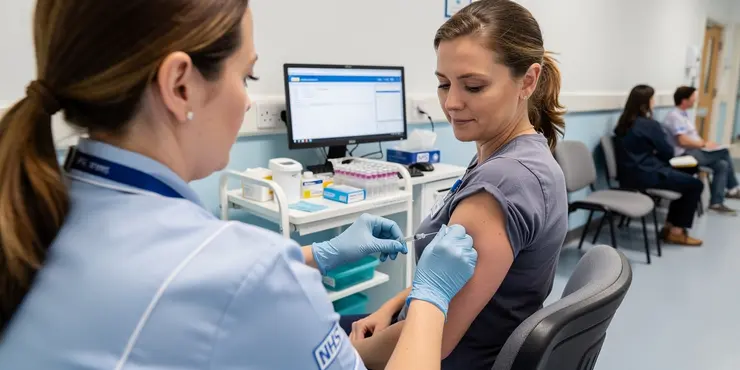
The process of receiving a booster jab is similar to the original vaccination process. The NHS notifies eligible individuals, and appointments can be made at vaccination centers, pharmacies, or GP offices across the UK. The vaccines used for booster jabs are the same as those approved for initial vaccination, predominantly Pfizer-BioNTech or Moderna, based on availability and specific health guidance.
Do I Need a Booster Jab?
Whether or not you need a booster jab depends on several factors, including your age, health status, and potential exposure risk to COVID-19. For most people, especially those in higher-risk groups, getting a booster is recommended to ensure optimal protection against COVID-19 and its variants. Additionally, keeping up with the recommended vaccines and boosters helps protect not only individuals but also the community, reducing the risk of outbreaks and severe cases that can strain healthcare resources. Therefore, staying informed and adhering to the current health guidelines is crucial for maintaining public health and safety.
What is a Booster Jab?
A booster jab is an extra shot of a vaccine. You get it after your first shots. It helps your body stay strong against the virus. This is very important to keep you safe from COVID-19. You usually get a booster jab months after your first vaccine shots. This helps your protection stay strong.
Why Are Booster Jabs Important?
Booster jabs help your body stay strong against the virus. Sometimes, the protection from the first shots gets weaker over time. A booster jab makes it strong again. This is really important because it helps protect you from getting very sick. In the UK, booster jabs are a big part of the plan to keep people healthy and keep hospitals from getting too full.
Who Should Get a COVID-19 Booster Jab?
In the UK, some people need the booster jab more than others. These people include older adults, people who have health problems, healthcare workers, and people living in care homes. Right now, everyone over 18 in the UK is asked to get a booster jab. Who needs the jab might change as experts learn more.
The Process of Getting a Booster Jab
Getting a booster jab is like getting your first vaccine shots. The NHS will let you know when you can get one. You can make an appointment at a vaccine center, pharmacy, or with your doctor. The boosters are often the same vaccines as your first shots, like Pfizer-BioNTech or Moderna.
Do I Need a Booster Jab?
You might need a booster jab based on your age, health, and risk of getting COVID-19. Most people, especially those at higher risk, should get the booster. This keeps you and others safe. By getting the booster, you help stop big outbreaks and protect hospitals from getting too busy. It’s important to follow what health experts say to keep everyone healthy and safe.
Frequently Asked Questions
A booster jab is an additional dose of a vaccine given after the initial series of dosages. It is intended to boost the immune system and extend the protection against a virus, such as COVID-19.
Booster jabs are needed to enhance or prolong the effectiveness of the initial vaccine doses, especially as immunity may decrease over time or as new variants of a virus emerge.
Eligibility for booster jabs typically includes older adults, immunocompromised individuals, and those at higher risk of exposure. However, guidelines may vary depending on health authorities.
The timing for a booster jab depends on the specific vaccine and the recommendations of health authorities. It is generally recommended several months after the last dose of the initial series.
Similar to initial vaccine doses, booster jabs can have side effects like mild fever, fatigue, and soreness at the injection site.
Booster jabs can enhance protection against new variants, although the level of effectiveness can vary depending on the variant and the vaccine.
Booster jabs are additional doses given to prolong immunity, whereas the original vaccine doses are intended to establish initial protection.
Mixing vaccine brands may be permitted depending on local health guidelines. Studies suggest mixing vaccines may sometimes lead to a stronger immune response.
Yes, booster jabs are generally considered safe and are recommended by health authorities to maintain immunity.
If you miss your booster jab appointment, schedule another as soon as possible. Missing the exact date might cause a delay, but it generally won't negate the benefits.
Yes, it is generally recommended to get a booster jab even if you've had COVID-19, as it can strengthen your immune response.
It is possible that more booster jabs will be recommended in the future, depending on how the virus evolves and how long immunity lasts.
Booster jabs begin to enhance immunity relatively quickly, but it may take a couple of weeks to achieve peak protection.
Booster jabs are administered in the same way as the original vaccine doses, usually through an injection in the upper arm.
Yes, there might be different dosage recommendations for different age groups, as determined by local health authorities based on available data.
Being fully vaccinated refers to having received the initial series of vaccine doses. A booster is recommended to ensure prolonged immunity, especially as immunity may wane over time.
While booster jabs alone won't end the pandemic, they contribute to higher levels of immunity in the population, which is crucial for controlling the spread of the virus.
In many countries, booster jabs are provided at no cost to individuals, supported by government health programs.
Eligibility details are typically announced by local health authorities, and they can often be found on official health department websites.
Bring a form of identification and your vaccination record card, if available. Follow any specific instructions given when scheduling the appointment.
A booster jab is another shot of a vaccine you get after your first ones. It helps to keep your body strong and safe from getting sick, like from COVID-19.
Booster shots help make the first vaccines work better and last longer. They are important because our body might stop fighting the virus as well, or new versions of the virus might come.
Some people can get an extra vaccine to stay safe from sickness. This includes older people, people with weak immune systems, and people who might get sick more easily. Different places might have different rules, so it's good to ask a doctor or check local health advice.
When you get a booster shot depends on the vaccine you had. It also depends on what health experts say. You usually get a booster a few months after your last shot.
Just like the first vaccine shots, booster shots can cause some side effects. You might get a mild fever, feel very tired, or have a sore arm where you got the shot.
Booster shots help keep you safe from new virus types. How well they work can change with different virus types and vaccines.
Booster shots are extra doses of medicine that help keep us safe for a longer time. The first vaccine shots are to help us start being protected.
You might be able to mix different vaccine brands, depending on what the health rules say where you live. Some studies show that using different vaccines can make your body's defense system even stronger.
Yes, booster shots are safe. Health experts say it's a good idea to get them to stay protected.
If you miss your booster jab appointment, try to make a new one soon. Missing it might mean a little wait, but it won't stop the benefits of the jab.
Yes, it is a good idea to get a booster shot even if you have had COVID-19. This can help make your body stronger against the virus.
We might need more booster shots later. This depends on how the virus changes and how long the vaccine keeps us safe.
Booster shots start to help your body's defenses get stronger pretty soon, but it can take a couple of weeks to get the best protection.
Booster shots are given in the same way as the first vaccine. They usually use a needle to put the medicine in your upper arm.
Yes, doctors might give different amounts of medicine to people of different ages. They decide this by looking at information from studies and experts.
Being fully vaccinated means you got all the first shots of the vaccine. A booster shot is like an extra dose that helps keep you protected for longer because the first protection can get weaker over time.
Booster shots can't stop the pandemic by themselves, but they help people be more protected. This protection is very important to stop the virus from spreading.
In lots of countries, you can get a booster jab for free. The government helps pay for it.
Local health offices usually say who can get it. You can often find this information on their official websites.
Bring something that shows who you are, like a passport or ID card. Also, bring your vaccination card if you have one. Do what they say when you make your appointment.

Ergsy Search Results
This website offers general information and is not a substitute for professional advice.
Always seek guidance from qualified professionals.
If you have any medical concerns or need urgent help, contact a healthcare professional or emergency services immediately.
Some of this content was generated with AI assistance. We've done our best to keep it accurate, helpful, and human-friendly.
- Ergsy carefully checks the information in the videos we provide here.
- Videos shown by Youtube after a video has completed, have NOT been reviewed by ERGSY.
- To view, click the arrow in centre of video.
- Most of the videos you find here will have subtitles and/or closed captions available.
- You may need to turn these on, and choose your preferred language.
- Go to the video you'd like to watch.
- If closed captions (CC) are available, settings will be visible on the bottom right of the video player.
- To turn on Captions, click settings.
- To turn off Captions, click settings again.