
Find Help
More Items From Ergsy search
-
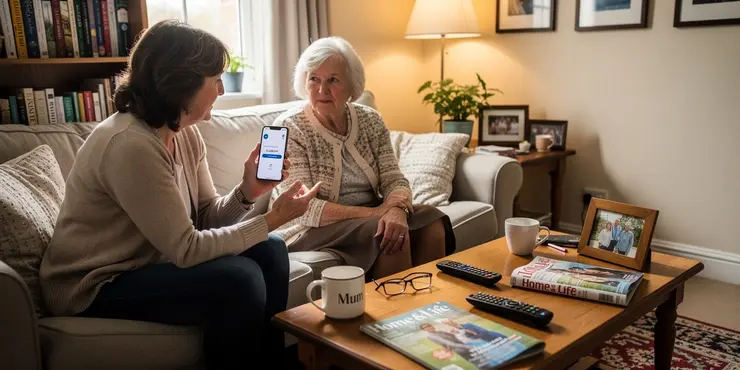
Digital Banking: A Surge in Adoption Amongst All Age Groups
Relevance: 100%
-
Are there any age restrictions for acquiring a digital driving license?
Relevance: 46%
-
Adoption and dealing with a Loss
Relevance: 42%
-
What actions are consumer rights groups taking regarding banking fee transparency?
Relevance: 41%
-
Is asthma more common in certain age groups?
Relevance: 40%
-
Is appendicitis common in any particular age group?
Relevance: 40%
-
What age group is most at risk for HPV?
Relevance: 39%
-
What age groups can benefit from self-testing?
Relevance: 38%
-
What age group will first see the state pension age at 67?
Relevance: 37%
-
Calls for Greater Transparency in Banking Fees as Complaints Rise
Relevance: 36%
-
Stage One Paperwork | UK Adoption Journey
Relevance: 36%
-
What initiatives are in place to address banking fee transparency?
Relevance: 35%
-
What age groups are most at risk for concussions in rugby?
Relevance: 35%
-
Is aspirin more effective for certain age groups in preventing colorectal cancer?
Relevance: 35%
-
Do online banks have lower fees than traditional banks?
Relevance: 35%
-
Is it mandatory to have a digital driving license?
Relevance: 34%
-
Registration of Interest Form | UK Adoption Journey
Relevance: 34%
-
UK Adoption Journey | What we did to prepare | Stage One Update
Relevance: 34%
-
Will the digital license be accepted internationally?
Relevance: 34%
-
How does technology help in enhancing transparency in banking fees?
Relevance: 33%
-
Will the digital driving license replace the physical card?
Relevance: 33%
-
Can the digital license be used as a form of ID for non-driving purposes?
Relevance: 33%
-
How do banking fees impact financial inclusion?
Relevance: 33%
-
Why is there a call for greater transparency in banking fees?
Relevance: 32%
-
Will older drivers need to switch to digital driving licenses?
Relevance: 32%
-
Do online banks offer investment options?
Relevance: 32%
-
When will the digital driving license be officially available?
Relevance: 31%
-
What if I can't physically visit a food bank?
Relevance: 31%
-
Is it easy to switch banks to Monzo or Revolut?
Relevance: 31%
-
Government Announces Funding Boost for Digital Health Innovations
Relevance: 30%
-
What is a food bank?
Relevance: 30%
-
Are online banks like Monzo and Revolut safe?
Relevance: 30%
-
Are there any additional fees for obtaining a digital license?
Relevance: 29%
-
How do food banks get their food?
Relevance: 29%
-
What are the consequences for banks not complying with transparency standards?
Relevance: 29%
-
What if there is no food bank near me?
Relevance: 29%
-
Do all banks have the same fee structures?
Relevance: 29%
-
What is the difference between a food bank and a food pantry?
Relevance: 29%
-
Are food banks open on weekends?
Relevance: 29%
-
Are online banks like Monzo and Revolut regulated?
Relevance: 28%
Digital Banking: A Surge in Adoption Amongst All Age Groups
In recent years, digital banking has seen a remarkable surge in adoption across all age demographics in the UK. This shift towards digital financial services has been driven by a combination of technological advancements, changing consumer expectations, and the necessity to adapt during unprecedented times, such as the COVID-19 pandemic. This transformation is redefining how people of all ages interact with their finances.
Technological Advancements Driving Change
Technological innovation has played a crucial role in facilitating digital banking's widespread adoption. With the advent of smartphones and high-speed internet, financial institutions have been able to offer a variety of services online, from mobile banking apps to online chat support. This technological leap has made banking more convenient than ever, allowing people to manage their finances from anywhere, at any time. This convenience is a key factor driving the uptake among both younger and older generations.
Convenience and Accessibility
The ease of access to banking services is a significant motivator for all age groups. Younger users, typically tech-savvy, appreciate the ability to handle banking tasks quickly and efficiently without the need for physical visits to a branch. Online-only banks, such as Monzo and Starling, have capitalized on this trend, offering streamlined services that appeal particularly to this demographic.
Older generations, on the other hand, have increasingly embraced digital banking out of necessity and gradually found it to be convenient. Many have realized that digital platforms eliminate the need for physical visits, which can be challenging. Additionally, banks have made concerted efforts to enhance the user-friendliness of their digital services, making them accessible to those who might not be as familiar with modern technology.
Impact of the COVID-19 Pandemic
The COVID-19 pandemic acted as a catalyst for the adoption of digital banking across all age groups. Faced with lockdowns and social distancing measures, there was an urgent need to access financial services remotely. People, regardless of age, had to overcome initial barriers such as unfamiliarity or apprehension to continue managing their financial affairs safely. During this period, even those who were previously reluctant to use online banking found themselves adapting and discovering its conveniences.
Security and Trust
Security concerns are often cited as a major hurdle for digital service adoption. However, banks have invested significantly in enhancing their security measures, such as two-factor authentication and biometric recognition, to protect customers' sensitive information. This assurance has played a significant factor in building trust among older individuals, who might be more hesitant due to concerns about online security.
The Future of Banking
As digital platforms continue to evolve and improve, the trend towards digital banking is expected to grow even further. Financial institutions are keen to innovate, offering more personalized and convenient services to meet the diverse needs of a tech-savvy population. For the UK, this digital shift heralds a future where banking is more inclusive, efficient, and adaptable for all age groups.
Digital Banking: More People Using It
More people in the UK are using digital banking now than before. People of all ages like using banking apps and websites. This change happened because of new technology and people wanting easier ways to handle money. The COVID-19 pandemic also made more people use digital banking. It is changing how everyone uses and looks after their money.
How Technology Helps
New technology has made more people start using digital banking. Smartphones and fast internet help banks give services online. You can use banking apps or get help through online chat. This makes banking easier. You can do your banking anytime and anywhere. Both young and old people like this.
Easy and Helpful
Easy access is a big reason people like digital banking. Young people, who are good with technology, like doing their banking fast without needing to go to a bank. Some banks are only online and are very easy to use.
Older people started using digital banking because they had to, but they now find it helpful too. It means they do not have to go to the bank, which can be hard for some. Banks are trying hard to make their online services easier for everyone to use.
COVID-19 Pandemic’s Effect
The COVID-19 pandemic made digital banking even more popular for everyone. People needed to use banks from home because of lockdowns and social distancing. Even people who didn’t want to use online banking before had to start using it. many found it was not as hard as they thought and was very useful.
Safety and Trust
Some people worry about safety when using the internet for banking. But, banks have made their online services safe with things like two-step checks and fingerprints. This has helped older people who worry more about safety to trust online banking more.
The Future of Banking
Digital banking is going to keep growing. Banks are making new and better services for everyone. The UK is moving towards banking that is easier, faster, and for everyone.
Frequently Asked Questions
What is digital banking?
Digital banking refers to the digitization of all traditional banking services, enabling users to perform banking activities online or via digital platforms.
Why is digital banking becoming more popular?
Digital banking offers convenience, accessibility, and efficiency, allowing users to manage their finances from anywhere at any time, which has fueled its widespread adoption.
How secure is digital banking?
Digital banking institutions use advanced security measures like encryption, multi-factor authentication, and fraud detection systems to protect customers' data and transactions.
What are the main features of digital banking?
Features usually include online account management, mobile banking apps, bill payments, fund transfers, remote deposits, and financial tracking tools.
Is digital banking suitable for older adults?
Yes, digital banking is designed to be user-friendly, and many institutions offer support and educational resources to help older adults navigate digital platforms.
Can I access all my bank accounts through digital banking?
Yes, most digital banking platforms allow you to access and manage all your accounts with the bank, including checking, savings, and credit accounts.
What do I need to start using digital banking?
You typically need a bank account, internet access, and a device like a smartphone or computer to access digital banking services.
How does digital banking benefit businesses?
Businesses benefit from digital banking through integrated financial tools, streamlined cash management, and improved financial tracking, enabling more efficient operations.
What are some common digital banking platforms?
Common platforms include mobile banking apps, online banking websites, ATMs with enhanced functionalities, and digital payment systems like PayPal or Venmo.
Are there any fees associated with digital banking?
While many digital banking services are free, certain transactions, overdrafts, or premium services might incur fees. It's best to check with your bank for specific details.
How can I ensure my digital banking account is secure?
Use strong, unique passwords, enable two-factor authentication, and avoid accessing your accounts over public or unsecured networks.
What happens if I lose my digital banking credentials?
Contact your bank immediately. They usually have processes to help recover your account and secure it against unauthorized access.
Can digital banking be used for international transactions?
Yes, many digital banking services support international transactions, though fees and processing times may vary.
What should I do if there's an unauthorized transaction on my digital banking account?
Report any unauthorized transactions to your bank immediately, as they can help resolve issues and secure your account.
How does digital banking improve financial management?
Digital banking allows for easy tracking of spending, budgeting tools, alerts for unusual transactions, and greater control of your finance from anywhere.
Can I open a bank account through digital banking?
Yes, many banks offer the ability to open accounts online through their digital platforms, often requiring just a few documents for verification.
Are digital-only banks reliable?
Digital-only banks are typically as reliable as traditional banks, often offering lower fees and convenient services due to their reduced overhead costs.
What are the disadvantages of digital banking?
Potential downsides include cybersecurity threats, the lack of in-person interactions, and possible challenges for those not familiar with digital technology.
How is customer service handled in digital banking?
Customer service is often provided through online chat, email, or phone support, with some banks offering 24/7 assistance.
How do digital banks differ from traditional banks?
Digital banks operate primarily online without physical branches, often offering different pricing structures, more tech-forward features, and a focus on user experience.
What is digital banking?
Digital banking is using a computer, phone, or tablet to do things with your money. You can check your money, pay for things, and move money to someone else. You do not need to go to the bank building.
Helpful tools:
1. Use apps from your bank. They are easy to use.
2. Ask someone you trust to help if you need it.
Digital banking means you can do your banking on the internet or using apps. You don't need to go to a bank. Everything is online.
Why do more people like online banking?
Online banking means using a computer, tablet, or phone to manage your money. It is getting more popular because:
- It is fast and easy to use.
- You can check your money at any time.
- You don't have to go to the bank.
- It helps you pay bills quickly.
To make online banking even easier, you can:
- Use apps on your phone.
- Watch videos about how it works.
- Ask someone you trust for help.
Digital banking is easy and fast. It lets people use money on the computer or phone. You can do it from home or anywhere, anytime. This is why many people like it.
Helpful tools:
- Use apps that read text out loud.
- Watch videos that show how digital banking works.
- Ask someone you trust to explain things step by step.
- Try using simple online guides with pictures.
Is online banking safe?
Digital banks keep your money and information safe. They use special tools to do this, like codes that keep your details secret, asking for passwords and codes, and looking out for bad activity.
What are the main things you can do with online banking?
Online banking lets you do lots of things on a computer or phone. Here are some of the main things you can do:
- Check your money: See how much money you have in your account.
- Transfer money: Send money to other people or between your accounts.
- Pay bills: Pay your electric, water, or other bills without leaving home.
- Get help: Contact your bank for help if you need it.
If you need help, ask a friend or family member to show you how. You can also use apps like voice readers to help.
These tools are often helpful:
- Manage your bank account online.
- Use apps for banking on your phone.
- Pay bills through your bank.
- Send money to others.
- Put money into your account from far away.
- Keep track of your money.
Is online banking good for older people?
Online banking means using a computer, tablet, or phone to do money tasks. This can be checking your bank account, paying bills, or moving money.
Online banking can be good for older people because:
- They can do their banking from home.
- It can save time and trips to the bank.
- They can check their money anytime.
But, older people might find it tricky because:
- They might not know how to use a computer or smartphone well.
- They might worry about online safety.
These things can help:
- Ask family or carers for help to get started.
- Some banks have special guides or classes to learn.
- Use simple and safe passwords.
Online banking can be a good choice if older people have support and practice.
Yes, online banking is made to be easy to use. Many banks have help and guides to show older people how to use online banking.
Can I see all my bank accounts on the computer or phone?
Yes, you can use a computer, tablet, or smartphone to see your bank accounts. This is called digital banking.
Here are some tips to help you use digital banking:
- Ask someone you trust to help you set it up.
- Use simple words like "check balance" and "transfer money".
- Look for big buttons on the screen to make it easy.
- Use easy tools like "voice commands" if you find reading hard.
Yes, you can usually use online banking to see and manage all your bank accounts. This includes checking accounts, savings accounts, and credit accounts.
What do I need to start using online banking?
To start using online banking, you need a few things:
- A computer, tablet, or smartphone that can connect to the internet.
- Access to the internet. This means you can go online.
- A bank account with a bank that offers online banking.
- Your bank login details. This is your username and password given by the bank.
Here are some tools and tips that can help:
- Family or Friend's Help: Ask someone you trust to guide you.
- Bank's Guide: Look for video tutorials or help sections on your bank's website.
- Take Notes: Write down steps or important things you need to remember in a notepad.
- Go Slowly: Take your time and follow each step at your own pace.
To use online banking, you usually need:
- A bank account.
- The internet.
- A phone or a computer.
How can digital banking help businesses?
Digital banking can help businesses in many ways. Here are a few:
- It saves time because businesses can do banking online without going to a bank.
- It keeps money safe with strong passwords and security.
- It makes it easy to see and manage money anytime.
- It can help send and get money quickly.
To make it even easier, businesses can use tools like mobile apps or online tutorials.
Businesses can use online banking to make money management easier. They get special tools to help them keep track of their money better. This helps them work faster and better.
What are some common digital banking platforms?
What are some popular ways to use bank services online?
Online banking lets you manage your money on the internet. Here are some popular tools:
- Bank Apps: Apps like the ones from your own bank help you check your balance and make payments.
- PayPal: This service helps you send and receive money easily.
- Venmo: A simple app to pay friends and family.
- Cash App: Another easy way to send money with your phone.
Ask someone you trust for help if you are unsure about using these tools. You can also watch online videos to learn more.
There are different ways to do banking and pay for things. These include using:
- Apps on your phone for banking
- Websites for banking on your computer
- ATMs that can do more than just give money
- Digital payment services like PayPal or Venmo for sending and receiving money
Tools that might help:
- Use apps with voice commands if reading is hard
- Set up email or text alerts for important banking updates
Do you have to pay money to use online banking?
Online banking is when you use a computer, phone, or tablet to manage your money. This can include checking your balance or sending money to someone.
Sometimes, banks might charge you for using these online services. It is good to ask your bank if you will have to pay any money for online banking.
Here are some tips to help you understand:
- Ask someone you trust to explain if there are any fees.
- Look at your bank's website for more information.
- Call your bank and ask them about any costs for online banking.
Lots of online banking is free to use. But some things, like certain payments, spending too much, or special services, might cost money. Ask your bank if you want to know more.
How can I keep my online bank account safe?
Here are some tips to help you:
- Use a strong password: Make sure your password is hard to guess. Use letters, numbers, and symbols.
- Keep your password secret: Don't tell anyone your password.
- Use two-step security: This means you need to do two things to log in, like a password and a code from your phone.
- Be careful with emails: Don't click on links in emails from people you don't know.
- Check your account: Look at your bank account often to make sure everything is okay.
You can also ask for help if you need it. Use tools like password managers to remember your passwords. Or, ask someone you trust to explain things to you.
Use strong passwords that are different for each account. Turn on two-step login for extra safety. Do not use public Wi-Fi to log in to your accounts.
Here are some tools that can help:
- Use a password manager to remember your passwords.
- Get a two-factor authentication app, like Google Authenticator.
- Try to use your phone's data if you are not at home.
What do I do if I lose my online banking details?
If you forget your online banking details, don't worry. Here's what you can do:
- Call your bank for help. They will guide you.
- Check if your bank's website or app has a "Forgot Password" link to reset it.
- Use a password manager to keep track of your passwords safely.
Ask someone you trust if you need more help.
Call your bank right away. They can help you get back into your account and make it safe from anyone trying to get in without permission.
Can you use online banking to send money to another country?
Yes, lots of online banking services can help you send money to other countries. But, remember that fees and how long it takes might be different.
What to do if you see a payment you didn’t make on your online bank account?
1. Stay calm. You can fix this.
2. Tell your bank right away. Call them or use their website.
3. Look at all your transactions. Check for more payments you didn’t make.
4. Change your password. Make it strong.
5. A password manager tool can help you remember passwords.
If you see something odd with your bank account, tell your bank right away. They can help fix it and keep your money safe.
How can digital banking help you manage your money better?
Digital banking lets you do your banking on a computer or phone. It is like having a bank in your pocket!
Here is how it can help you:
- See your money anytime: You can check how much money you have whenever you want.
- Pay bills easily: You can pay your bills with just a click or tap. No need to go to the bank!
- Set up savings: You can make a plan to save money. Digital tools can help you keep track.
- Alerts: Get reminders for when you need to pay something or if your money is low.
Tools like budget apps can also help. They show you where your money goes each month.
Digital banking is easy to use. You can see where you spend your money. You can use tools to help you plan your spending. It tells you if something odd is happening with your money. You can take care of your money from anywhere.
Can I start a bank account on the internet?
Yes, you can open a bank account online. This means you do not need to go to the bank in person.
Here's how to do it:
- Use a computer, tablet, or smartphone.
- Visit the bank's website.
- Follow the easy steps they show you.
If you need help, you can:
- Ask a friend or family member to help you.
- Use online chat support on the bank's website.
Take your time and ask for help if you need it!
Yes, lots of banks let you open accounts on the internet. You can do this on their websites. You usually need to show some papers to prove who you are.
Can you trust online banks?
Digital-only banks are safe to use, just like regular banks. They often charge less money and are easy to use because they don’t have big expenses like regular banks.
What are the downsides of online banking?
Online banking has some bad things to think about. Here are a few:
- You need the internet: If you don't have the internet, you can't use online banking.
- Risk of hacking: Sometimes bad people try to steal your money online. Be careful and use strong passwords.
- Less personal help: You might miss talking to a real person like in a bank building.
Here are some things that can help you with online banking:
- Ask someone you trust to help you learn how to use it.
- Use creative tools like password managers to keep your information safe.
Some bad things might happen. People might try to steal your information online, you won't meet people face-to-face, and it might be hard if you don't know how to use computers and the internet.
How do you get help with online banking?
When you need help with online banking, you can:
- Use live chat on the bank's website.
- Call the bank's help phone number.
- Send an email to the bank's support team.
- Check the bank's app for help options.
Here are some tips to help you:
- Write down your questions before asking for help.
- Use simple words when talking or writing.
- Ask a friend to help you if you find it hard.
- Use online videos or guides that show steps.
Customer service can help you in different ways. You can talk to someone online, send an email, or call on the phone. Some banks have people who can help you all day and night, every day.
If you find reading or understanding hard, you can try using a screen reader. A screen reader can say the words out loud. You can also ask someone to help you read. It's okay to ask for help!
What is different about digital banks and normal banks?
Digital banks are banks you use on the internet or with an app on a phone or tablet. Normal banks have real buildings you can visit.
You can do most things with both types of banks, like saving money or paying bills. But with a digital bank, you don't have to go to a bank building. You can do everything online.
Here are some tools that can help understand this:
- Pictures: Pictures can help show what digital and normal banks look like.
- Videos: Look for videos on how digital banks work.
- Apps: Try using a bank app to see how easy it is.
Digital banks work mostly on the internet. They don’t have real buildings you can visit. They usually have different prices, use more new technology, and make it easy for people to do their banking.

Useful Links
- Ergsy carfully checks the information in the videos we provide here.
- Videos shown by Youtube after a video has completed, have NOT been reviewed by ERGSY.
- To view, click the arrow in centre of video.
- Most of the videos you find here will have subtitles and/or closed captions available.
- You may need to turn these on, and choose your preferred language.
- Go to the video you'd like to watch.
- If closed captions (CC) are available, settings will be visible on the bottom right of the video player.
- To turn on Captions, click settings .
- To turn off Captions, click settings again.
More Items From Ergsy search
-
Digital Banking: A Surge in Adoption Amongst All Age Groups
Relevance: 100%
-
Are there any age restrictions for acquiring a digital driving license?
Relevance: 46%
-
Adoption and dealing with a Loss
Relevance: 42%
-
What actions are consumer rights groups taking regarding banking fee transparency?
Relevance: 41%
-
Is asthma more common in certain age groups?
Relevance: 40%
-
Is appendicitis common in any particular age group?
Relevance: 40%
-
What age group is most at risk for HPV?
Relevance: 39%
-
What age groups can benefit from self-testing?
Relevance: 38%
-
What age group will first see the state pension age at 67?
Relevance: 37%
-
Calls for Greater Transparency in Banking Fees as Complaints Rise
Relevance: 36%
-
Stage One Paperwork | UK Adoption Journey
Relevance: 36%
-
What initiatives are in place to address banking fee transparency?
Relevance: 35%
-
What age groups are most at risk for concussions in rugby?
Relevance: 35%
-
Is aspirin more effective for certain age groups in preventing colorectal cancer?
Relevance: 35%
-
Do online banks have lower fees than traditional banks?
Relevance: 35%
-
Is it mandatory to have a digital driving license?
Relevance: 34%
-
Registration of Interest Form | UK Adoption Journey
Relevance: 34%
-
UK Adoption Journey | What we did to prepare | Stage One Update
Relevance: 34%
-
Will the digital license be accepted internationally?
Relevance: 34%
-
How does technology help in enhancing transparency in banking fees?
Relevance: 33%
-
Will the digital driving license replace the physical card?
Relevance: 33%
-
Can the digital license be used as a form of ID for non-driving purposes?
Relevance: 33%
-
How do banking fees impact financial inclusion?
Relevance: 33%
-
Why is there a call for greater transparency in banking fees?
Relevance: 32%
-
Will older drivers need to switch to digital driving licenses?
Relevance: 32%
-
Do online banks offer investment options?
Relevance: 32%
-
When will the digital driving license be officially available?
Relevance: 31%
-
What if I can't physically visit a food bank?
Relevance: 31%
-
Is it easy to switch banks to Monzo or Revolut?
Relevance: 31%
-
Government Announces Funding Boost for Digital Health Innovations
Relevance: 30%
-
What is a food bank?
Relevance: 30%
-
Are online banks like Monzo and Revolut safe?
Relevance: 30%
-
Are there any additional fees for obtaining a digital license?
Relevance: 29%
-
How do food banks get their food?
Relevance: 29%
-
What are the consequences for banks not complying with transparency standards?
Relevance: 29%
-
What if there is no food bank near me?
Relevance: 29%
-
Do all banks have the same fee structures?
Relevance: 29%
-
What is the difference between a food bank and a food pantry?
Relevance: 29%
-
Are food banks open on weekends?
Relevance: 29%
-
Are online banks like Monzo and Revolut regulated?
Relevance: 28%


