
Get Answers
Introduction
Accessing a food bank can be a crucial support system for many individuals and families experiencing food insecurity in the UK. However, there are circumstances that may prevent someone from physically visiting a food bank. If you find yourself in such a situation, there are alternative ways to receive assistance and access the resources you need.
Explore Delivery Options
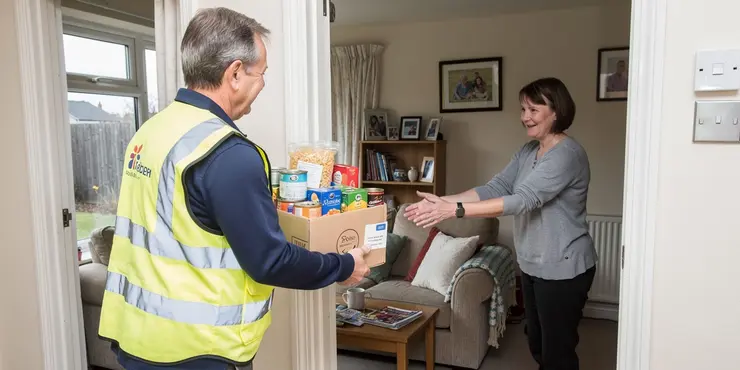
Many food banks have adapted their services to accommodate those who are unable to visit in person. Some food banks now offer delivery services, especially for individuals with limited mobility, health conditions, or those who are self-isolating. It's always a good idea to contact your local food bank to inquire if they provide delivery options. They may require some form of identification or verification of your situation, so be prepared to discuss your circumstances.
Utilize Online Platforms
The emergence of online platforms and apps has made it easier to access food aid. Websites such as Trussell Trust and Independent Food Aid Network provide comprehensive information on food banks within your area, including contact details and available services. Some local councils have also integrated food support services into their online platforms, making it easier for residents to request assistance without leaving their homes.
Seek Community Support
Your local community might have informal networks or volunteer groups that can help you access food bank services. Social media groups, neighborhood forums, or community centers often coordinate volunteers who are willing to pick up and deliver food for those in need. It can be worthwhile to reach out to these groups and see if they can assist you in accessing the assistance you require.
Contact Local Authorities
If you're struggling to access food banks, contacting your local council can be an excellent step. Many councils have helplines or dedicated departments focused on supporting vulnerable residents. They can provide information on emergency food parcels and may even coordinate direct assistance for you.
Reach Out to Charities
Numerous charities across the UK offer assistance to individuals who cannot visit food banks due to various reasons. Organizations such as Age UK, Citizens Advice, and The Salvation Army have programs to support people facing difficulties accessing food. These charities often provide advice and can sometimes arrange food deliveries or refer you to other services that can help.
Conclusion
While physical visits to food banks might not always be possible, there are several alternative avenues to explore to ensure you receive the necessary support. Delivery services, online resources, community networks, local authorities, and charities all offer options to help you access food assistance. It's important to reach out and communicate your situation so that you can receive the help you need during challenging times.
Introduction
Food banks can help people who do not have enough to eat. Sometimes, you might not be able to go to a food bank. If this happens, there are other ways to get help and the food you need.
Check for Delivery Options
Some food banks can bring food to you. This is helpful if you cannot leave your home. Maybe you are sick or need to stay at home. Call your local food bank to see if they can deliver food. They might ask for some information about you, so be ready to talk about your needs.
Use Online Help
Websites and apps can help you find food banks and support. Websites like Trussell Trust have information about where to get food in your area. Some local councils also have ways to ask for food help online. This means you can ask for help without leaving home.
Ask Your Community for Help
People in your neighborhood might help you get food. You can look on social media or talk to groups in your community to see if someone can bring you food. Community centers sometimes know people who volunteer to help.
Speak with Local Authorities
If you need help with food, call your local council. Many councils have people you can talk to about getting food. They can tell you how to get emergency food parcels or other ways to help you.
Contact Charities
There are charities that help people who cannot visit food banks. Charities like Age UK, Citizens Advice, and The Salvation Army have programs to help people get food. They might offer advice, arrange deliveries, or help you find other services.
Conclusion
If you cannot go to a food bank, there are still ways to get food. Delivery, online help, community groups, local councils, and charities can all help you. It is important to ask for help and say what you need.
Frequently Asked Questions
Many food banks offer delivery services or partner with organizations that can deliver food to those who are unable to visit in person.
You can contact local food banks directly or visit their websites to check if they provide delivery services. Alternatively, you can call a national food assistance hotline for guidance.
Most food banks allow designated proxies to collect food on behalf of others. You may need to provide written consent or other documentation.
Yes, some regions have online services or apps designed to facilitate food delivery from food banks to eligible households.
You may need to provide a written note, a copy of your ID, and sometimes proof of address or eligibility criteria that the food bank requires.
Many communities have volunteer services or charitable organizations that can assist with picking up and delivering food from food banks.
Contact your local food bank to inquire about delivery services and the application process, which may vary by location.
Some food banks and associated programs offer regular delivery schedules for those in need, depending on resources and availability.
You might explore government assistance programs, community outreach programs, or local religious organizations that can provide additional support.
Always contact the food bank directly to verify any partner delivery services and ensure their authenticity.
Yes, there may be specific criteria such as income level, residency, or need that you must meet to qualify for delivery services.
Look for local programs focused on serving individuals with disabilities or mobility issues which might offer delivery or alternative solutions.
Many online community groups or local social media platforms have people willing to help others, including food bank pickups.
Food bank delivery services are usually free, but it’s advisable to confirm any potential costs with the food bank directly.
The timing for deliveries can vary. Some services provide same-week deliveries while others may have longer wait times, depending on demand.
Check for alternative options like friends, family, or local volunteer networks that might assist with pickup and delivery.
Many meal programs and soup kitchens offer hot meals or take-away options, which can be alternatives if accessing a food bank is difficult.
Regularly visit the food bank's website, subscribe to newsletters, or follow their social media accounts for the latest updates.
Call local social services or food assistance hotlines for information about food banks and available services.
Yes, you can explore options like SNAP or other government assistance programs intended to provide food support to qualifying individuals and families.
A lot of food banks can bring food to you. They work with other groups that help deliver food if you can't go to the food bank yourself.
You can reach out to food banks nearby by calling them on the phone or visiting their websites online to see if they bring food to your home. Another option is to call a national helpline that can help you find food.
Most food banks let someone else pick up food for you. You might need to write a note or show other papers to let them do it.
Yes, some places have websites or apps that help deliver food from food banks to people who need it.
You might need to show a note that you have written. You will also need to show your ID card. Sometimes, you will need to prove where you live or meet other rules that the food bank has.
Some groups help people get food from food banks. These groups have volunteers or charities that can pick up the food and bring it to you.
Ask your nearby food bank if they can bring food to you. Find out how to apply because it might be different depending on where you live.
Some food banks bring food to people who need it. They come at regular times. It depends on what they have and if they can make it.
You can look for help from the government, community groups, or local churches. They might give you more support.
Always ask the food bank to make sure their delivery service is real.
Yes, you might need to meet certain rules to get delivery services. These rules could include how much money you make, where you live, or if you need help.
Find local programs that help people with disabilities or who have trouble moving. These programs might bring things to you or have other solutions.
Lots of people online want to help others. They might be in groups or on social media. They can help with picking up food from food banks.
Food banks usually bring food to you for free. But, it's good to check if there are any costs by asking the food bank.
When you will get your delivery can be different for each service. Some services bring things to you in the same week. But others might take longer if they are very busy.
Look for other ways to get help. Ask friends, family, or local volunteers if they can help with pickup and delivery.
There are places where people can get free hot meals. Some places let you take food away. These are good options if it’s hard to get to a food bank.
Check the food bank's website often. You can also sign up for their emails or follow them on social media to get news.
Call your local help center or food hotline. This can give you information about places that give free food and other help.
Yes, you can look for help like SNAP. SNAP is a program from the government that gives food support to people and families who need it.

Ergsy Search Results
This website offers general information and is not a substitute for professional advice.
Always seek guidance from qualified professionals.
If you have any medical concerns or need urgent help, contact a healthcare professional or emergency services immediately.
Some of this content was generated with AI assistance. We've done our best to keep it accurate, helpful, and human-friendly.
- Ergsy carefully checks the information in the videos we provide here.
- Videos shown by Youtube after a video has completed, have NOT been reviewed by ERGSY.
- To view, click the arrow in centre of video.
- Most of the videos you find here will have subtitles and/or closed captions available.
- You may need to turn these on, and choose your preferred language.
- Go to the video you'd like to watch.
- If closed captions (CC) are available, settings will be visible on the bottom right of the video player.
- To turn on Captions, click settings.
- To turn off Captions, click settings again.