
Get Answers
Understanding the Birth Control Pill
The birth control pill is a popular method of contraception used by millions of women worldwide. It is effective at preventing pregnancy when taken correctly. The pill contains hormones that prevent ovulation and alter the uterine lining.
There are different types of birth control pills, primarily combination pills and progestin-only pills. Combination pills contain both oestrogen and progestin, while progestin-only pills lack oestrogen. Your GP can help determine which type is suitable for you.
Risk of Blood Clots with the Pill
A known risk associated with the birth control pill is the development of blood clots. These are more common with pills containing oestrogen. Blood clots can lead to serious health issues such as deep vein thrombosis (DVT) or pulmonary embolism.
The risk of developing a blood clot while on the pill is generally low. However, it is slightly higher compared to women who do not use hormonal contraception. Factors such as smoking, obesity, and age can increase this risk.
Recognising the Symptoms of Blood Clots
Being aware of the symptoms of blood clots is crucial for early intervention. Common symptoms include swelling, pain, and redness in the leg, as well as sudden shortness of breath. If you experience these symptoms, seek medical attention immediately.
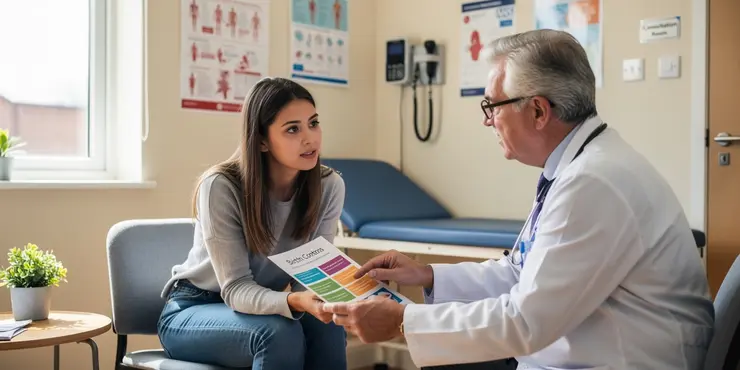
It is essential to weigh the benefits and risks when considering the pill. Consulting with a healthcare provider can help you make an informed decision. They can assess your personal and family medical history to evaluate your risk level.
Minimising the Risk of Blood Clots
You can take steps to minimise your risk of developing blood clots while on the pill. Maintaining a healthy lifestyle is crucial. This includes regular exercise, a balanced diet, and not smoking.
Discuss any personal or family history of blood clots with your doctor. They may suggest alternative forms of contraception if your risk is elevated. Monitoring your health regularly and staying informed can help you use the pill safely.
Conclusion
The birth control pill is an effective contraceptive method for many women. While it carries a slight risk of blood clots, regular monitoring and lifestyle choices can help mitigate this risk. Always consult with your healthcare provider about any concerns you may have.
Your GP can provide guidance tailored to your situation. Being informed and proactive can help you use the pill in a safe and effective manner.
Understanding the Birth Control Pill
The birth control pill is a way to stop getting pregnant. Many women use it. It works if you take it the right way. The pill has special chemicals called hormones. These stop the body from making eggs and change the inside of the womb.
There are two main types of birth control pills: combination pills and progestin-only pills. Combination pills have two hormones: oestrogen and progestin. Progestin-only pills have one hormone: progestin. Your doctor can help you choose the right one for you.
Risk of Blood Clots with the Pill
The pill can cause blood clots. This is more likely with pills that have oestrogen. Blood clots can be dangerous and cause health problems like deep vein thrombosis (DVT) or a lung blockage.
Getting a blood clot from the pill is not very common. But the chance is a bit higher than for women not using the pill. Things like smoking, being very overweight, and being older can increase this risk.
Recognising the Symptoms of Blood Clots
It is important to know what blood clots feel like. This helps you get help early. Look out for swelling, pain, or redness in your leg and sudden trouble breathing. See a doctor right away if you feel these.
Think about the good and bad things before taking the pill. Talk to your doctor. They can help you understand if the pill is right for you. They will look at your health and your family’s health to see if you are at risk.
Minimising the Risk of Blood Clots
You can do things to make blood clots less likely when on the pill. Live a healthy life. Exercise, eat good food, and do not smoke.
Tell your doctor if you or your family have had blood clots. They might give you other options if your risk is higher. Keep checking your health and stay informed to use the pill safely.
Conclusion
The birth control pill helps many women not get pregnant. It has a small risk of blood clots, but you can make smart choices to lower this risk. Always talk to your doctor about your worries.
Your doctor can give you advice that’s right for you. Knowing more and being careful helps you use the pill safely.
Frequently Asked Questions
Yes, taking the birth control pill can increase the risk of blood clots, although the risk is generally low.
The hormones in the birth control pill, such as estrogen, can affect the blood's clotting mechanisms, increasing the likelihood of clot formation.
No, some types of pills, particularly those with higher estrogen levels, may have a higher risk compared to others, like progestin-only pills.
Symptoms can include swelling, pain, and tenderness in the leg, sudden shortness of breath, chest pain, or coughing up blood.
Individuals who smoke, are over 35, are overweight, or have a personal or family history of blood clots are at higher risk.
Seek immediate medical attention if you suspect a blood clot, as it can be life-threatening if not treated promptly.
The risk is relatively low, with estimates around 3 to 9 cases per 10,000 women per year.
Women with a history of blood clots may need to avoid certain types of birth control pills; consult with a healthcare provider for alternative options.
Higher doses of estrogen are generally associated with a higher risk of blood clots, whereas lower-dose options may present a reduced risk.
The risk of blood clots is higher in the first year of taking the pill, especially during the first 3 to 6 months.
Yes, maintaining a healthy weight, not smoking, and staying active can help reduce the risk of blood clots.
Yes, non-hormonal methods such as copper IUDs and barrier methods do not increase the risk of blood clots.
Lower dose pills may reduce the risk but do not completely eliminate it. There is still a small risk of blood clots.
Tests may include ultrasound, D-dimer test, CT angiography, or MRI to confirm the presence of blood clots.
Yes, consult with your healthcare provider to determine a safer alternative based on your health profile and needs.
While it is important to be aware of the risk, the majority of women taking birth control pills will not experience blood clots.
The risk is highest when you first start taking the pill and tends to decrease over time.
Yes, blood clots can often be treated with anticoagulant medications and lifestyle changes.
Yes, you should monitor for symptoms like unexplained leg pain or swelling, sudden shortness of breath, or chest pain.
Yes, genetic testing can identify certain inherited conditions, like factor V Leiden, that increase clot risk.
Yes, taking the birth control pill can make it more likely to get blood clots. But don't worry, the chance is still small.
The birth control pill has hormones like estrogen. These hormones can change how your blood clots. This can make blood clots happen more easily.
No, not all pills are the same. Some pills have more estrogen, and they might be riskier. Other pills, like those with only progestin, might be safer.
You might feel your leg get bigger, hurt, or be sore. You could suddenly have trouble breathing, feel pain in your chest, or cough up blood.
People who smoke, are older than 35, or are overweight have a higher chance of getting blood clots. If you or your family members have had blood clots before, you also have a higher chance.
Here are some things that can help:
- Using pictures can help you understand better.
- Reading with a friend or family member can make it easier.
- Taking breaks while reading helps you not feel too tired.
If you think you have a blood clot, tell a doctor right away. Blood clots can be very dangerous if you don't get help quickly.
The risk is small. There are around 3 to 9 cases out of 10,000 women each year.
If a woman has had blood clots before, she might need to avoid some birth control pills. She should talk to a doctor to find other safe choices.
Taking more estrogen can make it more likely to get blood clots. Taking less estrogen can make it less likely.
The chance of getting blood clots is bigger in the first year of taking the pill. This is true, especially in the first 3 to 6 months.
Yes, staying at a healthy weight, not smoking, and exercising can help lower the chance of getting blood clots.
Yes, there are ways to prevent having a baby that don't use hormones. These ways, like the copper IUD and using things like condoms, do not make the chance of getting blood clots higher.
Pills with a lower dose can make the risk smaller, but they don't make it go away completely. There is still a small chance of having blood clots.
Doctors use tests to find blood clots. These tests might be:
- An ultrasound, which uses sound waves to see inside your body.
- A D-dimer test, which is a blood test to look for signs of clots.
- A CT scan, which takes special pictures of inside your body.
- An MRI, which uses magnets and radio waves to make pictures of your body.
These tests help doctors know if there is a blood clot.
If reading is hard, try using a ruler or your finger to keep your place. You can also ask someone you trust to read with you and help explain words.
Yes, talk to your doctor to find a safe choice that fits your health and what you need.
Most women who take birth control pills won't have blood clots. But it's good to know there's a small risk.
The risk is highest when you first start taking the pill. The risk gets smaller over time.
Yes, you can often treat blood clots with special medicines and changes to your daily habits.
Yes, watch out for signs like leg pain or swelling that you don't know the reason for, trouble breathing, or chest pain.
Yes, a special test can find out if you have factor V Leiden. Factor V Leiden is something you get from your family. It can make your blood clot too much.

Ergsy Search Results
This website offers general information and is not a substitute for professional advice.
Always seek guidance from qualified professionals.
If you have any medical concerns or need urgent help, contact a healthcare professional or emergency services immediately.
Some of this content was generated with AI assistance. We've done our best to keep it accurate, helpful, and human-friendly.
- Ergsy carefully checks the information in the videos we provide here.
- Videos shown by Youtube after a video has completed, have NOT been reviewed by ERGSY.
- To view, click the arrow in centre of video.
- Most of the videos you find here will have subtitles and/or closed captions available.
- You may need to turn these on, and choose your preferred language.
- Go to the video you'd like to watch.
- If closed captions (CC) are available, settings will be visible on the bottom right of the video player.
- To turn on Captions, click settings.
- To turn off Captions, click settings again.