
Get Answers
Introduction
If you suspect that you have been mis-sold car finance but your complaint has been rejected, it can be frustrating and disappointing. However, there are several steps you can take to escalate your complaint and seek a satisfactory resolution.
Review the Rejection Letter
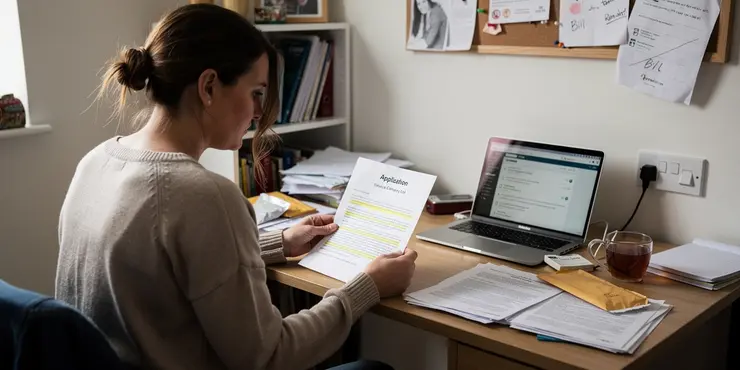
Start by thoroughly reviewing the rejection letter from the company. Understand the reasons they provided for rejecting your complaint. This information will be crucial in formulating your next steps. Look for any specific points they raise and consider how you can address these in your appeal or subsequent actions.
Gather Additional Evidence
Before proceeding further, gather any additional evidence that supports your claim of mis-sold car finance. This could include emails, letters, contracts, or any other documentation that highlights discrepancies or unethical practices in the original agreement. Strong evidence can bolster your case when you escalate your complaint.
Respond to the Finance Company
Once you have reviewed the rejection and gathered additional evidence, write a formal response to the finance company. Address the reasons they provided in their rejection and present your additional evidence. Politely but firmly state your case and express your dissatisfaction with their initial response.
Contact the Financial Ombudsman Service
If your response to the finance company does not yield a satisfactory result, consider escalating your complaint to the Financial Ombudsman Service (FOS). The FOS offers a free and independent service to resolve disputes between consumers and financial firms. Visit their official website to understand their procedures and submit your complaint for their review.
Seek Legal Advice
If the Financial Ombudsman Service does not resolve the issue in your favour, or if you wish to pursue other avenues, consider seeking legal advice. A solicitor specializing in consumer rights or financial disputes can provide guidance on the potential for pursuing the matter through legal means. They can also assist in determining the strength of your case and advise on the best course of action.
Consider Alternative Dispute Resolution
In some cases, Alternative Dispute Resolution (ADR) mechanisms may be appropriate. ADR processes, such as mediation or arbitration, can offer a way to resolve disputes without going to court. Check if the finance company subscribes to any ADR schemes and whether they might be applicable in your case.
Conclusion
While having your complaint rejected can be disappointing, it is important to stay persistent and explore all available options. By following these steps, you can enhance the chances of obtaining a favourable resolution. Always keep records of all correspondence and advice received throughout the process, as these will be vital if your case escalates to higher stages.
Introduction
If you think you were given the wrong car finance deal and your complaint was not accepted, it can make you feel upset. But don’t worry, there are things you can do to try and fix the situation.
Look at the Rejection Letter
First, read the letter from the company carefully. See why they said no to your complaint. This will help you decide what to do next. Notice if they mentioned anything specific that you need to talk about in your next steps.
Find More Evidence
Before moving forward, collect more evidence that shows you got the wrong car finance deal. This could be in the form of emails, letters, contracts, or any other papers that show something was wrong with your deal. Having strong evidence can help when you speak to them again.
Write Back to the Finance Company
After examining the rejection and gathering more evidence, write a new letter to the finance company. Reply to their reasons for saying no and share your new evidence. Explain clearly how you feel and why you disagree with their decision.
Contact the Financial Ombudsman Service
If the finance company does not solve your problem, you can talk to the Financial Ombudsman Service (FOS). The FOS can help solve disagreements between people and money companies. Go to their website to learn how they work and how to send them your complaint.
Get Legal Help
If the Financial Ombudsman Service cannot help, or if you want to try different ways, think about getting help from a lawyer. A lawyer who knows about consumer rights can guide you on what to do next and tell you how strong your case is.
Think About Other Ways to Solve the Problem
Sometimes, you can solve problems without going to court using Alternative Dispute Resolution (ADR). This includes processes like mediation or arbitration. Check if the finance company uses any ADR methods and see if they can help in your case.
Conclusion
Being told no can feel bad, but it is important to keep trying and look at all your options. By following these steps, you can increase the chances of fixing the problem. Always save copies of letters and other important information, as they will be useful if your case goes further.
Frequently Asked Questions
You can escalate the complaint to the Financial Ombudsman Service if you're unsatisfied with the response from the finance company or dealer.
Yes, you can request a review from the finance company or seek assistance from the Financial Ombudsman Service.
You typically have six months from the date of the final response letter to refer your complaint to the Financial Ombudsman Service.
Collect all relevant documents, such as initial agreements, correspondence, and any evidence showing how the finance was mis-sold.
Yes, a solicitor specializing in consumer rights or financial disputes can provide legal advice and represent you if necessary.
No, the Financial Ombudsman Service provides a free service to consumers.
Common reasons include lack of evidence, failure to demonstrate financial harm, or the finance being sold in line with current regulations.
Yes, you can consider legal action, but it's advisable to seek legal advice to assess the likelihood of success.
Yes, some finance agreements might offer arbitration or mediation services as alternative dispute resolution options.
No, raising a complaint with the Ombudsman itself does not affect your credit rating.
The review process can vary, taking anywhere from a few weeks to several months depending on the complexity of the case.
If the Ombudsman rules in your favor, they can instruct the finance provider to correct the issue and potentially offer compensation.
If new evidence comes to light, you may be able to submit a new complaint, but it's best to confirm the process with the finance company or ombudsman.
While it's helpful to have original paperwork, the Ombudsman can work with whatever information is available and relevant.
Yes, you should give the finance company or dealer a chance to resolve your issue before seeking help from the Ombudsman.
If you're unhappy, you may consider legal advice to explore further action, but the Ombudsman's decision is typically final.
If your case is reviewed and found valid later, you may still be eligible for compensation.
If new facts or evidence emerge, you can request for your complaint to be reviewed again.
Consumer rights organizations like the Citizens Advice Bureau can offer guidance and support in navigating the complaints process.
Avoid taking actions out of frustration that could harm your case, such as stopping payments without consulting legal advice.
If you are not happy with what the finance company or dealer says, you can tell the Financial Ombudsman Service.
You can ask the money company to look at your problem again. You can also get help from the Financial Ombudsman Service. They help people solve money problems.
You have six months from when you get the last letter to tell the Financial Ombudsman Service about your complaint.
Gather all important papers. This includes first agreements, letters, and anything that shows how the finance was sold incorrectly.
Yes, a lawyer who knows about consumer rights or money problems can give you advice and help you in court if needed.
No, the Financial Ombudsman Service does not cost money. It helps people for free.
There are a few common reasons:
- Not enough proof.
- No clear money loss shown.
- Money matters done by the rules.
Tools that can help:
- Use a checklist to keep track.
- Ask someone to check your work.
You can think about taking legal action. It is a good idea to talk to a lawyer first. They can help you understand if you have a good chance of winning.
Yes, some money agreements might have other ways to solve problems. They can use a helper or a go-between to sort things out.
No, telling the Ombudsman that you have a problem won't hurt your credit score.
The review can take some time. It might be a few weeks, or it could be a few months. It depends on how difficult the case is.
If the Ombudsman decides you are right, they can tell the finance company to fix the problem. They might also give you some money to make up for it.
If you find new information, you might be able to make a new complaint. It's a good idea to check with the finance company or ombudsman to see how to do this.
It's good to have the original papers, but the Ombudsman can still help with any other information you have.
Yes, you should let the money company or car seller try to fix your problem before you ask the Ombudsman for help.
If you are not happy, you can talk to a lawyer to see what to do next. But usually, the Ombudsman’s decision is the last one.
If your case gets looked at again and they decide it is right, you might still get money to help you.
If you find new information, you can ask to look at your complaint again.
Groups like the Citizens Advice Bureau can help you understand how to make a complaint and support you through the process.
Don't make decisions when you feel upset that might hurt your case, like stopping payments without asking a lawyer first.

Ergsy Search Results
This website offers general information and is not a substitute for professional advice.
Always seek guidance from qualified professionals.
If you have any medical concerns or need urgent help, contact a healthcare professional or emergency services immediately.
Some of this content was generated with AI assistance. We've done our best to keep it accurate, helpful, and human-friendly.
- Ergsy carefully checks the information in the videos we provide here.
- Videos shown by Youtube after a video has completed, have NOT been reviewed by ERGSY.
- To view, click the arrow in centre of video.
- Most of the videos you find here will have subtitles and/or closed captions available.
- You may need to turn these on, and choose your preferred language.
- Go to the video you'd like to watch.
- If closed captions (CC) are available, settings will be visible on the bottom right of the video player.
- To turn on Captions, click settings.
- To turn off Captions, click settings again.