
Get Answers
Keep anything that proves what happened
If you are dealing with an accident, dispute, claim, or complaint, keep anything that helps show the facts. This can include letters, emails, texts, photos, videos, and screenshots. The more clearly something shows what happened, the more useful it may be later.
Try to keep evidence in its original form where possible. For example, save the full email thread rather than just one message, and keep photos with the date they were taken if available. Small details can matter, especially if there is disagreement about timing or what was said.
Keep records of money, dates, and names
Financial evidence is often important in the UK, whether you are dealing with a benefit issue, consumer problem, tenancy dispute, or workplace matter. Keep bank statements, receipts, invoices, payslips, and bills. These can help show what you paid, when you paid it, and to whom.
It also helps to note dates, times, locations, and the names of anyone involved. A short written timeline can make later evidence easier to understand. If you speak to someone on the phone, write down who you spoke to, what was said, and the time of the call.
Keep medical and personal records
If your issue involves injury, illness, or mental health, keep any medical evidence you receive. This may include appointment letters, fit notes, prescriptions, discharge summaries, and test results. These documents may support your position if you need to explain how something affected you.
Personal records can also be useful, especially if you have kept a diary of symptoms, events, or costs. For example, notes about pain, missed work, or travel problems can help show the impact on your daily life. Keep your notes clear, dated, and factual.
Keep employment, housing, and complaint evidence
Workplace evidence may include contracts, rota emails, disciplinary letters, grievance replies, and messages with your manager or HR team. If you are having trouble at work, save copies of any policies that may apply. This can help show what rules the employer said it would follow.
If your issue is about housing, keep your tenancy agreement, repair reports, inspection notes, and correspondence with your landlord or agent. For complaints, retain copies of what you submitted and any replies you received. It is also wise to keep proof of delivery if you sent something important by post.
Store evidence safely and keep it organised
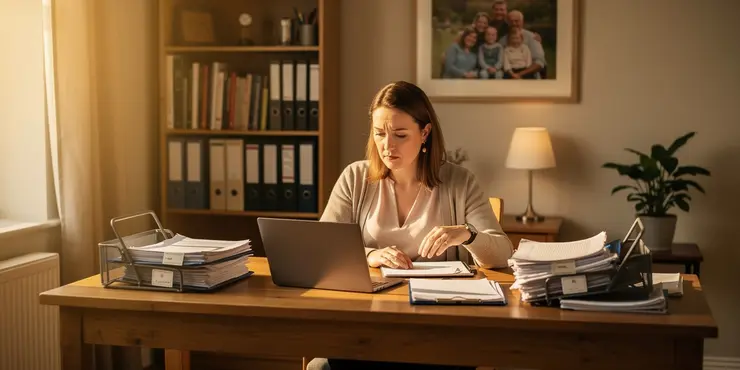
Make backups of important evidence so it is not lost if your phone or computer stops working. You could save files in more than one place, such as a secure cloud account and an external drive. Keep paper documents in a folder and label them by date or topic.
Only share evidence with people who genuinely need it. If your case is sensitive, think about privacy and remove unnecessary personal information where possible. Good organisation now can save a lot of time if you need to use the evidence later.
Frequently Asked Questions
Keep anything that helps prove what happened, when it happened, and who was involved, such as emails, texts, photos, documents, receipts, and notes.
Keep the original documents whenever possible and make copies or scans for everyday use.
Yes, text messages can be very important because they show direct communication, dates, times, and exact wording.
Yes, save emails and preserve the full message details, including sender, recipient, date, time, and attachments.
Yes, photos and videos can provide strong visual proof of conditions, damage, events, or injuries.
Yes, receipts and bills can show payments, purchases, dates, amounts, and related expenses.
Screenshots can help, but keep the original source too, since screenshots can be altered or may lack full context.
Yes, handwritten notes can be useful if they record dates, events, conversations, or observations close to when they happened.
Yes, witness statements can support your account by showing what other people saw, heard, or knew.
Yes, social media posts, comments, and messages can be relevant evidence, especially if they show statements, threats, or timelines.
Yes, call logs, voicemails, and recorded calls can help show contact attempts, dates, times, and what was said.
Yes, bank statements, invoices, payroll records, and transaction histories can help prove money-related facts.
Yes, medical records can document injuries, treatment, diagnoses, and timing related to an event or claim.
Yes, if possible, keep damaged items unchanged because they may help show the nature and extent of the damage.
Yes, a detailed timeline can help organize evidence and make it easier to understand what happened and when.
Yes, metadata, timestamps, GPS data, and file information can help verify when and where evidence was created.
Yes, video recordings can capture events in real time and may provide important context that photos cannot.
Yes, letters, notices, and official correspondence can show requests, responses, and important deadlines.
Store items by date and type, label them clearly, and keep backup copies in a secure place.
Keep evidence as long as it may be relevant to your situation, especially if there may be a dispute, deadline, or legal claim.

Ergsy Search Results
This website offers general information and is not a substitute for professional advice.
Always seek guidance from qualified professionals.
If you have any medical concerns or need urgent help, contact a healthcare professional or emergency services immediately.
Some of this content was generated with AI assistance. We've done our best to keep it accurate, helpful, and human-friendly.
- Ergsy carefully checks the information in the videos we provide here.
- Videos shown by Youtube after a video has completed, have NOT been reviewed by ERGSY.
- To view, click the arrow in centre of video.
- Most of the videos you find here will have subtitles and/or closed captions available.
- You may need to turn these on, and choose your preferred language.
- Go to the video you'd like to watch.
- If closed captions (CC) are available, settings will be visible on the bottom right of the video player.
- To turn on Captions, click settings.
- To turn off Captions, click settings again.