
Get Answers
How are Weight Loss Jabs Administered?
Weight loss jabs have become an increasingly popular option for those looking to manage their weight effectively. In the UK, these injections, such as those containing ingredients like liraglutide (available under brand names like Saxenda), are prescribed to support weight loss in conjunction with a reduced-calorie diet and increased physical activity. Understanding how these jabs are administered is essential for safe and effective use.
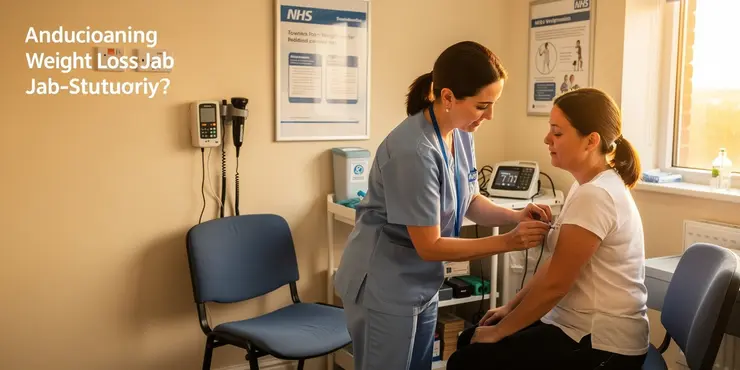
Weight loss injections are generally self-administered. Before beginning treatment, patients should receive comprehensive instructions and training from a healthcare provider or specialist nurse. This training ensures the user knows how to handle the medication safely and administer it correctly. The injections are typically administered once daily, and the dose may be gradually increased based on the user’s response and tolerance.
The injection is delivered subcutaneously, meaning it is injected under the skin. The recommended sites for administration include the abdomen, thigh, or upper arm. These areas are chosen for their accessible fatty tissue layer, making it easier to inject the drug effectively. It's important to rotate the injection sites to minimise potential discomfort or irritation at the site of injection.
Before administering the injection, users are advised to wash their hands thoroughly to maintain hygiene. After removing the cap from the pen, users should ensure that the needle is affixed correctly. It’s crucial to check that the dosage is set accurately as prescribed by the healthcare provider. If it’s the first time using a new pen, a test dose may be necessary to ensure the pen is working properly.
After selecting an appropriate injection site, the skin should be gently pinched to lift it slightly from the underlying muscle. The needle is then inserted at a 90-degree angle, and the user should depress the injection button completely, holding it in place until the full dose is delivered. This usually takes a few seconds. The needle should then be removed, and a small bit of pressure can be applied with a cotton swab to the site to minimise bruising or bleeding.
Proper disposal of needles and pens is vital for safety and environmental reasons. Used needles should be placed in a designated sharps container, which can be acquired from a pharmacy. Once full, these containers can be returned for safe disposal. It’s also recommended that any unused medication is stored appropriately as directed, often at a certain temperature, to maintain its effectiveness.
It’s important to note that weight loss jabs should only be used under the guidance of a healthcare professional. Regular follow-up appointments are typically necessary to monitor the patient’s progress and any side effects. This comprehensive approach ensures that the treatment is safe and achieving the desired outcomes.
Frequently Asked Questions
Weight loss jabs are injectable medications designed to aid in weight loss by suppressing appetite or increasing metabolic rate.
Weight loss jabs are typically administered via a subcutaneous injection, usually in the abdomen or thigh area.
Yes, weight loss jabs typically require a prescription from a healthcare provider.
Some weight loss jabs are designed for self-administration after proper instruction from a healthcare provider.
The frequency of administration depends on the specific medication, typically ranging from daily to weekly injections.
Possible side effects can include nausea, diarrhea, constipation, or injection site reactions, among others.
The common injection sites include the abdomen, thigh, or upper arm, depending on the specific medication and instructions.
If you miss a dose, follow the specific guidance provided by your healthcare provider or the medication's instructions.
Yes, but it's important to store them properly and have documentation from your healthcare provider if needed.
Most weight loss jabs need to be stored in a refrigerator at a temperature between 2°C and 8°C until they are ready to be used.
Initially, a healthcare professional may administer the jabs and provide guidance on self-administration if applicable.
Dietary recommendations can vary, but a balanced and healthy diet is generally encouraged alongside the medication.
Results can vary, but some individuals may begin to see changes within the first few weeks to months of use.
No, weight loss jabs are not suitable for everyone and a healthcare provider should evaluate your health condition before prescribing them.
Contact your healthcare provider immediately if you experience severe side effects or allergic reactions.
This should be discussed with a healthcare provider, as it depends on the medications and methods involved.
The active ingredients vary but some common ones include Liraglutide and Semaglutide.
Yes, contraindications exist and include specific health conditions like certain types of thyroid cancer or multiple endocrine neoplasia syndrome.
Weight loss jabs are generally not recommended for pregnant or breastfeeding women.
Some common brands include Saxenda and Wegovy, which contain Liraglutide and Semaglutide respectively.

Ergsy Search Results
This website offers general information and is not a substitute for professional advice.
Always seek guidance from qualified professionals.
If you have any medical concerns or need urgent help, contact a healthcare professional or emergency services immediately.
Some of this content was generated with AI assistance. We've done our best to keep it accurate, helpful, and human-friendly.
- Ergsy carefully checks the information in the videos we provide here.
- Videos shown by Youtube after a video has completed, have NOT been reviewed by ERGSY.
- To view, click the arrow in centre of video.
- Most of the videos you find here will have subtitles and/or closed captions available.
- You may need to turn these on, and choose your preferred language.
- Go to the video you'd like to watch.
- If closed captions (CC) are available, settings will be visible on the bottom right of the video player.
- To turn on Captions, click settings.
- To turn off Captions, click settings again.