
Get Answers
Introduction
Malaria is a life-threatening disease caused by parasites that are transmitted to humans through the bites of infected female Anopheles mosquitoes. While it is a significant concern in many tropical and subtropical regions around the world, the question of whether malaria is spread by mosquitoes in the UK is pertinent to public health discussions in the region. This article explores whether malaria is a concern in the UK and the reasons behind the current status.
Current Situation in the UK
As of now, malaria is not spread by mosquitoes in the UK. There are several reasons for this, including the absence of significant populations of the Anopheles mosquitoes that are capable of transmitting the disease. The UK does have some species of Anopheles mosquitoes, but the climate and environmental conditions are not conducive for the thriving of malaria-transmitting mosquito populations. As such, indigenous transmission of malaria does not occur in the UK.
Imported Cases of Malaria
Despite the absence of local transmission, the UK continues to witness cases of malaria, although these are predominantly imported. Travelers returning to the UK from areas where malaria is prevalent, such as parts of Africa and Asia, can bring the infection with them. In such cases, the carriers might experience symptoms after arriving in the UK, but they do not contribute to the local spread of the disease. The UK healthcare system is equipped to handle such imported cases, ensuring timely diagnosis and treatment to prevent complications.
Climate Considerations
The UK's temperate climate significantly reduces the likelihood of malaria-carrying mosquitoes establishing a breeding population. Malaria typically requires warmer and more humid climates to sustain mosquito vectors in significant numbers. While climate change could potentially alter global mosquito distributions, current models suggest that the UK remains at low risk for the establishment of a malaria-carrying mosquito population capable of sustaining endemic transmission.
Preventive Measures and Public Health Policies
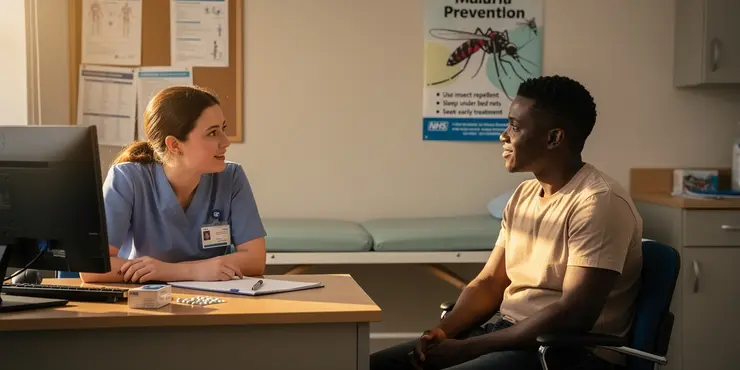
Public health policies in the UK focus on preventing malaria through precautions advised to travelers and medical guidelines for treating cases. Travellers to endemic regions are encouraged to take antimalarial medications and follow preventative strategies such as using mosquito nets and repellents. The NHS provides resources and guidance for those planning travel to areas where malaria is a risk, aiming to minimize the chance of infection upon return.
Conclusion
In summary, malaria is not spread by mosquitoes in the UK due to environmental factors and the presence of healthcare measures to manage and treat imported cases. While the situation is closely monitored, the UK remains free of endemic malaria transmission. Continued vigilance and preventive strategies are essential to maintaining this status, and public awareness remains key to managing the risks associated with international travel.
Introduction
Malaria is a serious disease. It happens when tiny bugs called parasites get into the body. This can happen when a mosquito bites you. These mosquitoes are called Anopheles. People worry about malaria in many hot countries. Is malaria also a problem in the UK? This article will explain.
Current Situation in the UK
Right now, mosquitoes in the UK do not spread malaria. This is because there are not many Anopheles mosquitoes here. The UK's weather is not right for these mosquitoes to live. So, malaria is not a problem in the UK.
Imported Cases of Malaria
Some people do bring malaria to the UK. This happens when they visit countries in Africa or Asia where malaria is common and catch it there. When they come back to the UK, they have malaria. But they do not spread malaria to other people here. Doctors in the UK can help these people get better.
Climate Considerations
The UK has a cooler climate, which means malaria mosquitoes can't live well here. Malaria mosquitoes like warm and wet places. Even if the weather changes, experts think the UK is still safe from malaria mosquitoes living here.
Preventive Measures and Public Health Policies
In the UK, the government helps people avoid malaria. Travelers going to places with malaria are told to take special medicine. They should also use nets and bug spray to keep mosquitoes away. The NHS helps people understand how to stay safe when traveling to places with malaria.
Conclusion
To sum up, malaria is not spread by mosquitoes in the UK. The weather and health care help keep the UK safe. It's important to be careful when traveling to places with malaria. People should know how to protect themselves to keep the UK free from this disease.
Frequently Asked Questions
No, malaria is not currently spread by mosquitoes in the UK.
There have been no recent cases of local transmission of malaria in the UK.
While certain types of mosquitoes in the UK could theoretically carry malaria, the disease is not established here and there are no known cases of transmission.
The Anopheles mosquitoes capable of carrying malaria exist in the UK but are not currently spreading the disease.
Malaria is typically transmitted through the bite of an infected female Anopheles mosquito.
Malaria does not spread in the UK due to the lack of a suitable climate and the absence of infected mosquitoes.
Yes, UK travellers can contract malaria when visiting areas where the disease is common.
UK residents should take malaria prophylaxis and other preventive measures when traveling to regions with malaria.
There have been no recent outbreaks of malaria in the UK.
No, there is no seasonal risk of malaria in the UK.
Public health monitoring and travel advice are in place to prevent malaria cases from becoming a public health issue in the UK.
Historically, malaria, known as ague, was once present in parts of the UK but was eliminated.
Climate change could theoretically alter mosquito habitats, but there are currently no predictions of malaria spreading in the UK.
Symptoms of malaria can include fever, chills, headache, nausea, and muscle pain.
Malaria is treated with antimalarial medications that vary depending on the type and severity of the infection.
There is no need to be concerned about malaria when camping or hiking in the UK.
UK mosquitoes do bite humans, but they do not carry malaria or significant diseases in the UK.
Reliable sources include the NHS website, the UK government travel advisory, and the World Health Organization.
There have been rare, isolated cases of local malaria transmission in some European countries but not in the UK.
Yes, the RTS,S/AS01 vaccine is available and provides partial protection against malaria, mainly targeting young children in affected regions.
No, mosquitoes in the UK do not spread malaria right now.
There have not been any new cases of malaria spreading from person to person in the UK.
Some mosquitoes in the UK could carry malaria, but the disease is not common here. There are no known cases of people catching malaria in the UK.
There are some mosquitoes in the UK called Anopheles mosquitoes. They can carry a disease called malaria, but right now, they are not spreading it in the UK.
Malaria spreads when a person gets bitten by a special kind of mosquito. This mosquito is called a female Anopheles mosquito, and it carries the malaria germ.
Malaria does not spread in the UK. This is because the weather is not right, and there are no mosquitoes that carry the disease.
Yes, people from the UK can catch malaria when they travel to places where malaria is common.
People who live in the UK should take medicine to stop malaria when they travel to places where there is malaria.
There have been no new cases of malaria spreading in the UK.
No, you can't get malaria in the UK at any time of the year.
Using simple tools like a dictionary or audio books can help with reading.
People are keeping an eye on health and giving travel tips to stop malaria from becoming a problem in the UK.
Malaria is a disease that used to be called ague. A long time ago, it was found in some parts of the UK. Now, it is no longer there.
Changes in the weather might change where mosquitoes live. But right now, there is no sign that malaria will spread in the UK.
When someone has malaria, they might feel very hot (this is called a fever). They might also feel cold and shaky (these are chills). Their head might hurt (headache), and they might feel like they need to throw up (this is called nausea). Their muscles might hurt too.
You can use a thermometer to check for a fever. If you feel sick, you might try resting, drinking lots of water, and telling a grown-up or a doctor.
Malaria is an illness. We use special medicines to treat it. The type of medicine depends on how bad the illness is and what kind it is.
You do not need to worry about getting malaria when you go camping or hiking in the UK.
Mosquitoes in the UK can bite people, but they do not spread malaria or any big diseases here.
Good places to find information are the NHS website, the UK government travel advice page, and the World Health Organization website.
Sometimes, people in some countries in Europe have caught malaria, but this is very rare. In the UK, no one has caught malaria from a local mosquito.
Yes, there is a vaccine called RTS,S/AS01. It helps a bit to protect against malaria. The vaccine is mostly for young children in places where malaria is common.

Ergsy Search Results
This website offers general information and is not a substitute for professional advice.
Always seek guidance from qualified professionals.
If you have any medical concerns or need urgent help, contact a healthcare professional or emergency services immediately.
Some of this content was generated with AI assistance. We've done our best to keep it accurate, helpful, and human-friendly.
- Ergsy carefully checks the information in the videos we provide here.
- Videos shown by Youtube after a video has completed, have NOT been reviewed by ERGSY.
- To view, click the arrow in centre of video.
- Most of the videos you find here will have subtitles and/or closed captions available.
- You may need to turn these on, and choose your preferred language.
- Go to the video you'd like to watch.
- If closed captions (CC) are available, settings will be visible on the bottom right of the video player.
- To turn on Captions, click settings.
- To turn off Captions, click settings again.