
Get Answers
Understanding the Basics of Holiday Insurance
When planning a holiday, it's essential to consider how your destination impacts your insurance coverage. Holiday insurance varies significantly based on where you are traveling.
The location, duration, and nature of your holiday can all influence the type of insurance you need. It's important to be aware of these factors to ensure adequate protection during your travels.
High-Risk Destinations and Premiums
Traveling to destinations deemed high-risk can result in higher insurance premiums. These areas typically include countries with political instability, high crime rates, or frequent natural disasters.
Insurance providers assess the risk level of a destination using government travel advisories and historical data, impacting the cost and availability of coverage.
Medical Coverage Considerations
Medical costs can vary widely between countries, influencing your insurance needs. Destinations with high healthcare expenses may necessitate more comprehensive policies.
For example, travel to the United States often requires higher medical coverage levels due to the high cost of healthcare services there.
Activities and Adventure Sports
Your planned activities at the destination also affect your insurance. Engaging in extreme sports or adventurous activities may require additional coverage.
Many standard policies do not cover high-risk activities such as skiing, scuba diving, or mountain climbing, so purchasing supplementary insurance is often crucial.
Delays and Cancellations
Flight or trip delays can disrupt holiday plans, particularly in remote or frequently affected areas. Insurance policies may differ based on the likelihood of such events at your destination.
Destinations prone to weather issues, like hurricanes or volcanic activity, often require specific insurance clauses for cancellations or interruptions.
Understanding Regional Variations
It's also essential to understand that insurance needs can vary within regions. The level of coverage required may differ from urban to rural areas, even within the same country.
Notably, remote areas may lack adequate medical facilities, making emergency evacuation coverage indispensable.
Choosing the Right Policy
When selecting a holiday insurance policy, carefully review the details to ensure it matches your destination's specific risks. This includes checking exclusions related to particular regions or activities.
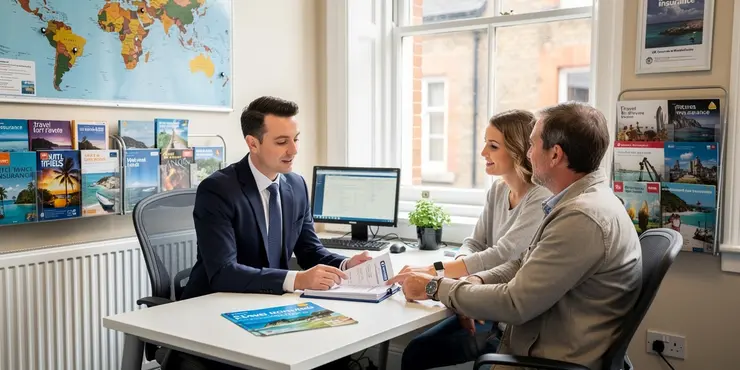
Consulting with an insurance expert can help clarify which policy best suits your travel plans and destination-specific risks.
Frequently Asked Questions
Different destinations may have varying levels of risks, affecting the coverage and premiums of your travel insurance.
Yes, destinations with higher risks, such as countries with unstable political environments or high healthcare costs, may have higher insurance premiums.
Yes, if a destination is prone to natural disasters like earthquakes or hurricanes, it may impact the coverage and cost of your travel insurance.
Coverage for political unrest varies by policy. It's essential to check if your insurance covers travel warnings or events caused by civil disorders.
Destinations with high healthcare costs may require more extensive medical coverage, affecting the price and limits of your insurance policy.
Yes, engaging in high-risk activities like skiing or scuba diving may require special insurance add-ons, depending on the destination.
Certain destinations may have specific cancellation policies due to their risk level or the likelihood of significant events affecting travel plans.
Yes, some countries on travel ban lists or those with high-risk scores may be excluded from standard insurance coverage.
The COVID-19 risk can impact medical coverage and cancellation policies, with some insurers offering specific COVID-19 packages.
Yes, destinations with high theft rates may require additional coverage or result in higher premiums for theft protection.
The insurance coverage can vary by destination, with certain locations offering more favorable terms due to lower perceived risks.
Insurance providers may offer different coverage options and premiums for popular tourist spots compared to remote locales, often due to accessibility and service availability.
Yes, visiting a destination during peak disaster seasons, like hurricane season, can impact your insurance terms and costs.
Insurers assess risks like political stability, crime rates, healthcare quality, and natural disaster frequency to influence coverage terms.
Yes, many insurers use government travel advisories to determine coverage eligibility and risk levels for destinations.
Coverage for evacuation depends on the policy and the destination's risk profile; it's crucial to verify this aspect before traveling.
Island destinations may have specific considerations, such as unique weather patterns and evacuation challenges that can influence insurance coverage.
Some insurers may offer lower premiums or discounts for destinations considered low-risk due to stable conditions and good infrastructure.
Yes, remote or high-risk areas may require specific arrangements for emergency medical evacuation, influencing coverage details.
It's advisable to review your policy before planning any trip, especially if your destinations vary in risk level or regional stability.

Ergsy Search Results
This website offers general information and is not a substitute for professional advice.
Always seek guidance from qualified professionals.
If you have any medical concerns or need urgent help, contact a healthcare professional or emergency services immediately.
Some of this content was generated with AI assistance. We've done our best to keep it accurate, helpful, and human-friendly.
- Ergsy carefully checks the information in the videos we provide here.
- Videos shown by Youtube after a video has completed, have NOT been reviewed by ERGSY.
- To view, click the arrow in centre of video.
- Most of the videos you find here will have subtitles and/or closed captions available.
- You may need to turn these on, and choose your preferred language.
- Go to the video you'd like to watch.
- If closed captions (CC) are available, settings will be visible on the bottom right of the video player.
- To turn on Captions, click settings.
- To turn off Captions, click settings again.