
Get Answers
Understanding the Zika Virus
The Zika virus is primarily transmitted through the bite of an infected Aedes mosquito, which is not native to the UK but is prevalent in tropical and subtropical regions. While the virus often causes mild symptoms such as fever, rash, conjunctivitis, and joint pain, it poses significant risks to pregnant women as it can lead to severe birth defects. As such, UK residents traveling to affected areas should take precautionary measures to protect themselves from the virus.
Travel Preparations
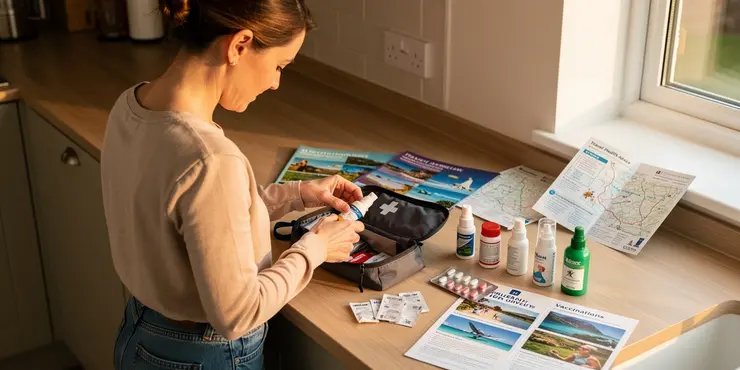
Before traveling, UK residents should check travel advisories and health recommendations for their destination. The UK government, along with organizations such as the World Health Organization (WHO) and the Centers for Disease Control and Prevention (CDC), regularly update information on regions affected by Zika. Pregnant women, or those planning to conceive, should consult with a healthcare professional before traveling to risk areas.
Protection Against Mosquito Bites
Preventing mosquito bites is the best way to protect against the Zika virus. UK travelers should use effective insect repellent containing DEET, picaridin, IR3535, or oil of lemon eucalyptus. Applying these repellents as per the instructions on the label ensures maximum protection. Additionally, travelers are advised to wear long-sleeved shirts and long trousers, preferably treated with permethrin, to cover exposed skin.
Accommodation Precautions
Choosing stays with air conditioning or well-screened rooms can reduce the risk of mosquito bites. When in open areas, using bed nets, preferably treated with insecticide, can provide added protection, especially during the night when mosquitoes are most active. Ensuring that these nets are in good condition and without holes is crucial to maintaining their efficacy.
Pregnancy and Zika Concerns
Given the severe implications of Zika on fetal development, it is imperative that pregnant women strictly adhere to preventive measures. Upon return from a Zika-affected area, it is advisable for pregnant women to inform their healthcare providers so that appropriate follow-up care can be provided. Additionally, couples should practice safe sex or abstain from sexual activity for a period if one partner has traveled to a Zika-prone region to prevent sexual transmission of the virus.
Upon Returning to the UK
Travelers who experience symptoms consistent with Zika, such as fever and rashes within two weeks of returning, should seek medical advice. It's important to inform healthcare providers of recent travel history to enable accurate diagnosis and appropriate guidance. Keeping na updated list of countries affected by Zika aids in assessing risk levels associated with travel plans.
Understanding the Zika Virus
The Zika virus is a sickness you can get from a mosquito bite. These mosquitoes live in hot, wet places but not usually in the UK. Zika can make you feel mild symptoms like fever, a rash, red eyes, and joint pain. However, it is very dangerous for pregnant women because it can harm their babies. If you live in the UK and plan to visit places with Zika, be careful to protect yourself.
Travel Preparations
Before you go on a trip, check if the place you are visiting has Zika. The UK government and groups like the World Health Organization (WHO) can give you the latest news. If you are pregnant or want to be, talk to your doctor before you travel to places with Zika.
Protection Against Mosquito Bites
The best way to avoid Zika is to avoid mosquito bites. UK travelers should use bug spray with DEET or other ingredients like picaridin. Always follow the instructions on the bottle. Wearing long sleeves and pants can also help protect your skin from bites. Clothes treated with a special chemical called permethrin work best.
Accommodation Precautions
Try to stay in places with air conditioning or rooms with closed windows and doors. This helps keep mosquitoes out. When sleeping outside, use bed nets treated with bug spray, especially at night. Make sure the nets have no holes.
Pregnancy and Zika Concerns
Pregnant women need to be extra careful. If you visit a place with Zika, tell your doctor when you come back. This helps them take care of you and your baby. Couples should be safe about sex if one partner has been to a place with Zika. This stops the virus from spreading between partners.
Upon Returning to the UK
If you feel sick after coming back to the UK, like having a fever or a rash, go to the doctor. Tell them where you traveled. This helps the doctor know how to help you. You should also keep track of which countries have Zika to stay safe for future trips.
Frequently Asked Questions
Zika virus is a mosquito-borne virus primarily transmitted through the bite of an infected Aedes mosquito.
Yes, travelers from the UK visiting areas where Zika virus is present can become infected.
Countries in Central and South America, the Caribbean, and Southeast Asia have reported Zika virus transmission.
Use mosquito repellent, wear long-sleeved clothing, stay in accommodations with air conditioning or screens, and use mosquito nets.
No, currently there is no vaccine available for Zika virus.
Yes, pregnant women are advised to avoid traveling to areas where Zika virus is present due to risk of birth defects.
Yes, Zika virus can be transmitted sexually by an infected person to their partner.
Consult healthcare professionals for advice, and take stringent mosquito bite prevention measures.
Precautions such as securing protective clothing and repellents should begin well before travel and continue during the trip.
Watch for symptoms like fever, rash, joint pain, and red eyes. Consult a doctor if these occur.
Most people recover fully, but Zika can cause neurological complications and has been linked to Guillain-Barré syndrome.
Seek medical advice and inform the healthcare provider of your recent travel history to Zika-affected areas.
Men are advised to wait at least three months and women at least two months before trying to conceive after returning.
Yes, agencies like the CDC give detailed guidelines that travelers can follow.
Children can travel but should be protected from mosquito bites using appropriate repellents and clothing.
Repellents containing DEET, Picaridin, or IR3535 are recommended for effectiveness.
Yes, because Aedes mosquitoes that transmit Zika are active both during the day and night.
Yes, the UK government provides travel health advice via NHS and Public Health England.
Use protection if engaging in sexual activity and avoid mosquito bites to prevent local transmission.
Individuals should wait at least four weeks after returning from a Zika area before donating blood.
Zika virus is a sickness. You can get it when a mosquito carrying the virus bites you. These mosquitoes are called Aedes mosquitoes.
Yes, if people from the UK go to places where the Zika virus is, they might get sick with it.
Some countries in Central and South America, the Caribbean, and Southeast Asia have people getting sick from the Zika virus.
Put on bug spray to keep mosquitoes away. Wear clothes that cover your arms and legs. Stay in places that have cool air or screens on windows. Sleep under a net to stop mosquitoes from biting you.
No, right now there is no shot to stop people from getting the Zika virus.
It is best for pregnant women not to go to places where there is Zika virus because it can cause health problems for the baby.
Yes, a person with Zika virus can give it to their partner during sex.
Talk to your doctor for help, and try hard to stop mosquito bites.
Before you go on a trip, wear special clothes to keep you safe. Use bug spray too. Keep doing this while you are away.
Look for signs like feeling hot (fever), a skin rash, pain in the joints, and red eyes. Go to the doctor if you see these signs.
Most people get better completely. But sometimes, Zika can make your brain and nerves not work right. It has also been connected to a problem called Guillain-Barré syndrome.
Talk to a doctor. Tell them if you have been to places where people can catch Zika.
Men should wait at least three months before trying to have a baby after coming back. Women should wait at least two months before trying to have a baby after coming back.
Using a calendar can help remember these times.
Yes, groups like the CDC give clear rules that people can follow when they travel.
Children can travel, but we need to keep them safe from mosquito bites. We can do this by using bug spray and wearing the right clothes.
Bug sprays with stuff called DEET, Picaridin, or IR3535 work well.
Yes, because Aedes mosquitoes can spread Zika. They come out both in the day and at night.
Yes, the UK government helps with travel health advice. You can find this advice from NHS and Public Health England.
When you have sex, use protection like condoms. This helps keep you safe. Also, stay away from mosquito bites. This stops them from making you sick.
People need to wait four weeks after coming back from a place with Zika before giving blood.

Ergsy Search Results
This website offers general information and is not a substitute for professional advice.
Always seek guidance from qualified professionals.
If you have any medical concerns or need urgent help, contact a healthcare professional or emergency services immediately.
Some of this content was generated with AI assistance. We've done our best to keep it accurate, helpful, and human-friendly.
- Ergsy carefully checks the information in the videos we provide here.
- Videos shown by Youtube after a video has completed, have NOT been reviewed by ERGSY.
- To view, click the arrow in centre of video.
- Most of the videos you find here will have subtitles and/or closed captions available.
- You may need to turn these on, and choose your preferred language.
- Go to the video you'd like to watch.
- If closed captions (CC) are available, settings will be visible on the bottom right of the video player.
- To turn on Captions, click settings.
- To turn off Captions, click settings again.