
Get Answers
Introduction to Dangerous Driving Detection
Dangerous driving is a significant concern for law enforcement agencies in the UK, as it poses serious risks to public safety. Detecting and addressing unsafe driving behaviours is essential for reducing accidents and ensuring that roads remain safe for all users. Police forces across the UK employ a variety of methods and technologies to identify and apprehend dangerous drivers.
Use of Speed Cameras and Automated Systems
One of the primary tools used to detect dangerous driving is the network of speed cameras deployed across the country. These cameras automatically capture the speed of vehicles and identify those exceeding legal limits. Speed cameras can be either fixed, placed at specific high-risk locations, or mobile, used by officers in various settings as needed. Automated number plate recognition (ANPR) systems are also employed to identify vehicles involved in illegal activities or with prior offences.
Role of Police Patrols
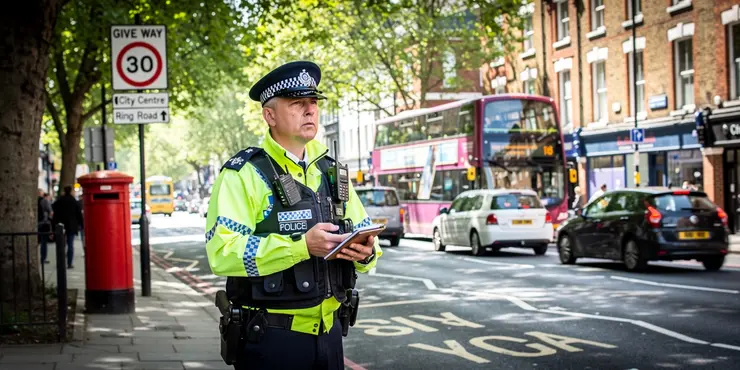
In addition to automated systems, police patrols play a critical role in detecting dangerous driving. Officers are trained to spot signs of erratic driving, such as excessive speeding, sudden lane changes, and aggressive tailgating. During routine patrols, officers may stop vehicles suspected of dangerous driving and conduct further checks. This hands-on approach is essential for addressing forms of dangerous driving that may not be captured by cameras, such as driving under the influence of drugs or alcohol.
Community and Public Reports
The police also rely on reports from the public to identify and address dangerous driving incidents. Community engagement initiatives encourage citizens to report reckless drivers via hotlines or online platforms. These reports often provide valuable information that helps law enforcement target problem areas and take appropriate actions. Public cooperation is a crucial element of comprehensive road safety efforts.
Innovative Technologies and Future Trends
As technology evolves, so too does the capacity for detecting dangerous driving. Police forces are increasingly exploring the use of drones to monitor traffic conditions and gather evidence of dangerous driving behaviours. Furthermore, the development of smart vehicles equipped with sensors and connectivity features offers the potential for real-time data sharing with traffic management systems, enhancing the detection capabilities of law enforcement.
Conclusion
In summary, the detection of dangerous driving in the UK involves a multifaceted approach combining cutting-edge technology, active police patrols, and public cooperation. Through the use of speed cameras, ANPR systems, and community engagement, law enforcement agencies work diligently to maintain road safety. As new technologies emerge, the ability to detect and prevent dangerous driving is likely to become even more effective, ultimately contributing to safer roads for all.
Introduction to Dangerous Driving Detection
Dangerous driving is a big problem. It can cause serious accidents. In the UK, police work hard to keep roads safe. They use different tools to find and stop dangerous drivers.
Use of Speed Cameras and Automated Systems
One tool that helps is speed cameras. These cameras measure how fast cars go. If a car is too fast, the camera takes a picture. Speed cameras can be in one place or move around. Police also use special systems to check car license plates. This helps them find cars that broke the law before.
Role of Police Patrols
Police officers in cars also look out for dangerous driving. They watch for cars going too fast, changing lanes suddenly, or driving too close to others. If they see a problem, they can stop the car and check. This is important for catching drivers who might be using drugs or alcohol.
Community and Public Reports
Police need help from people too. People can report dangerous driving. They can call or use the internet to tell the police. This help is very important. It keeps roads safer for everyone.
Innovative Technologies and Future Trends
New technology can also help find dangerous drivers. Police might use drones to see traffic better. Cars are getting smarter, too. They can send information to the police about dangerous driving. This means police can act faster to stop problems.
Conclusion
In short, finding dangerous drivers in the UK uses many methods. Speed cameras, police cars, and help from people all work together. As technology gets better, police can find and stop dangerous drivers even more easily. This makes the roads safer for all of us.
Frequently Asked Questions
Police use radar guns, speed cameras, traffic cameras, and unmarked patrol cars to detect dangerous driving behaviors.
Yes, police can detect dangerous driving at night using technologies like night-vision cameras and radar.
Speed cameras use sensors and radar to measure vehicle speed and capture images of vehicles exceeding speed limits.
In some areas, police use aircraft, such as helicopters or drones, to monitor traffic from the air and detect dangerous driving.
Radar guns emit radio waves that bounce off moving vehicles. The change in frequency of the returned waves is used to calculate vehicle speed.
Traffic cameras are strategically placed to monitor intersections and roads for red-light running, speeding, and other traffic infractions.
Unmarked patrol cars blend in with regular traffic, allowing officers to observe and record dangerous driving behaviors discreetly.
Yes, license plate recognition systems can identify stolen vehicles or those flagged for dangerous driving based on registered owner history.
Yes, police vehicles equipped with dash cameras can record evidence of dangerous driving, which can be used in court proceedings.
Sobriety checkpoints are effective in identifying drivers under the influence, a common factor in dangerous driving incidents.
While police do not typically use personal GPS data, fleet and commercial vehicle telematics systems can provide information on driving behavior.
Officers assess signs like swerving, erratic speed changes, and failure to obey traffic signals to determine dangerous driving.
Police may use a combination of radar, cameras, and on-road observation to detect and address aggressive driving behaviors.
Yes, police often collaborate with local and state agencies to enhance traffic monitoring and enforce safe driving practices.
Automated systems use cameras and sensors at high-risk locations to monitor and automatically issue penalties for traffic violations.
Police may use undercover operations, traffic cameras, and in some areas, special detection devices to catch drivers texting.
Public tips and reports to police hotlines can assist in identifying suspected dangerous drivers which police can then monitor or investigate.
Yes, advancements in technology like AI and enhanced camera systems are improving the ability to detect and respond to dangerous driving.
In some cases, police may monitor social media for posts or live streams showing dangerous driving behaviors for follow-up enforcement.
This emerging technology allows vehicles to communicate with traffic systems to report behaviors like speeding or hard braking.
Police use special tools and cars to catch drivers who are driving too fast or in a dangerous way. These tools include:
- Radar guns: These check how fast a car is going.
- Speed cameras: These take pictures of fast cars.
- Traffic cameras: These watch how cars are moving on the road.
- Unmarked patrol cars: These are police cars that don't look like police cars. They check if people are driving safely.
Yes, police can see dangerous driving at night. They use special tools like night-vision cameras and radar to help them.
Speed cameras help keep roads safe. They use special tools to check how fast cars are going. If a car goes too fast, the camera takes a picture of it.
In some places, police use flying machines like helicopters and drones to watch cars on the road from the sky. They look for drivers who are not being safe.
Radar guns send out radio waves. These waves hit cars that are moving and then bounce back. When the waves come back, they are a bit different. This change helps to figure out how fast the car is going.
Traffic cameras are put in special places to watch roads and intersections. They look out for drivers who run red lights, speed, or break other rules.
Unmarked police cars look like normal cars. This helps police watch the roads secretly. They can see and record bad driving without being noticed.
Yes, some special cameras can read car license plates. They help the police find cars that have been stolen or belong to people who have driven dangerously before.
Yes, police cars have cameras on their dashboards. These cameras can record someone driving dangerously. This video can be used in court to help show what happened.
Sobriety checkpoints help find drivers who have been drinking or using drugs. This helps keep the roads safe because it stops dangerous driving.
The police usually do not use personal GPS data. But systems in work vehicles or company cars can show how someone drives.
Police look for things like cars weaving side to side, changing speed suddenly, and not stopping at lights or stop signs. These help them see if someone is driving dangerously.
Police can use different tools to catch dangerous drivers. They might use radar, cameras, and watch people on the road.
Yes, police work together with other groups. They make sure people drive safely and follow the rules. They also watch the roads to help keep everyone safe.
Here are some tips to understand better:
- Ask questions if something is not clear.
- Use pictures or drawings to help explain words.
- Read out loud or have someone read to you.
Machines use cameras and sensors to watch places where accidents might happen. They can give fines automatically if someone breaks the rules.
Police can use different ways to find drivers who are texting. They might use secret detectives, cameras on the road, and special tools to catch people who text and drive.
People can help the police by calling hotlines if they see someone driving dangerously. The police can then watch these drivers or check on them.
Yes, new technology like smart computers and better cameras help find and stop unsafe driving.
Sometimes, police watch social media for videos or posts about unsafe driving. If they find something, they might take action.
This new technology helps cars talk to traffic lights and signs. It can tell them if a car is going too fast or stopping quickly.

Ergsy Search Results
This website offers general information and is not a substitute for professional advice.
Always seek guidance from qualified professionals.
If you have any medical concerns or need urgent help, contact a healthcare professional or emergency services immediately.
Some of this content was generated with AI assistance. We've done our best to keep it accurate, helpful, and human-friendly.
- Ergsy carefully checks the information in the videos we provide here.
- Videos shown by Youtube after a video has completed, have NOT been reviewed by ERGSY.
- To view, click the arrow in centre of video.
- Most of the videos you find here will have subtitles and/or closed captions available.
- You may need to turn these on, and choose your preferred language.
- Go to the video you'd like to watch.
- If closed captions (CC) are available, settings will be visible on the bottom right of the video player.
- To turn on Captions, click settings.
- To turn off Captions, click settings again.