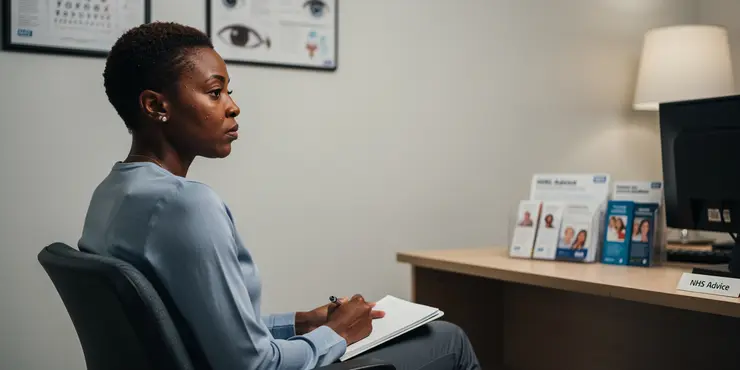

Speak To An Expert
Get clear, personalised advice for your situation.
Jot down a few questions to make the most of your conversation.
More Items From Ergsy search
-
What can I do if I am the victim of medical or clinical negligence?
Relevance: 100%
-
What should I do first if I think I have been harmed by medical or clinical negligence?
Relevance: 98%
-
Can I sue for professional negligence if no harm was done?
Relevance: 77%
-
Is there a time limit for bringing a medical negligence claim?
Relevance: 74%
-
What is professional negligence?
Relevance: 73%
-
Is a mistake always considered professional negligence?
Relevance: 71%
-
How do I know if my bad outcome was negligence or just a known risk of treatment?
Relevance: 70%
-
How does professional negligence differ from ordinary negligence?
Relevance: 69%
-
How is causation established in professional negligence?
Relevance: 68%
-
What if the negligence involved a family member or child?
Relevance: 68%
-
What are the elements of a professional negligence claim?
Relevance: 66%
-
Who can be held liable for professional negligence?
Relevance: 63%
-
Can I claim if the negligence made an existing condition worse?
Relevance: 62%
-
What is the impact of a professional negligence claim on a professional's career?
Relevance: 62%
-
What defenses are available in a professional negligence case?
Relevance: 62%
-
How do legal fees usually work in medical negligence cases?
Relevance: 60%
-
Can a professional negligence claim be filed against a company?
Relevance: 60%
-
How can professionals avoid negligence claims?
Relevance: 60%
-
What is the standard of care in professional negligence?
Relevance: 59%
-
How long do I have to file a professional negligence claim?
Relevance: 58%
-
Does a manufacturer have liability even if it was not negligent?
Relevance: 58%
-
Are professionals insured against negligence claims?
Relevance: 56%
-
Should I report serious concerns to a regulator or ombudsman?
Relevance: 44%
-
What if the hospital says an apology is enough?
Relevance: 42%
-
Can a professional be sued for giving bad advice?
Relevance: 41%
-
Should I complain to the hospital or clinic?
Relevance: 40%
-
Who should I speak to first after a work accident?
Relevance: 36%
-
What if I was partly at fault for the accident?
Relevance: 35%
-
Does a manufacturer's liability end after a product is sold?
Relevance: 35%
-
What if the accident happened on council or government property?
Relevance: 35%
-
Navigating Personal Injury Claims: What You Need to Know Post-2023
Relevance: 34%
-
Do I have rights if the dog had never bitten anyone before?
Relevance: 34%
-
Are public liability claims the same as personal injury claims?
Relevance: 34%
-
Why are public liability claims important?
Relevance: 34%
-
Who is usually responsible in a public liability claim?
Relevance: 34%
-
How can the risks and benefits of medications during pregnancy be assessed?
Relevance: 33%
-
Can a manufacturer be liable for economic losses only?
Relevance: 33%
-
What must be proven in a public liability claim?
Relevance: 33%
-
What legal rights do I have as a medical patient in the EU?
Relevance: 33%
-
What are the steps to arrange medical treatment in an EU country?
Relevance: 33%
Get urgent medical help if you need it
If you think something has gone wrong with your care, your health comes first. If your symptoms are getting worse, or you may be in danger, seek urgent medical attention straight away by contacting NHS 111, your GP, or 999 in an emergency.
Do not wait to see whether the problem improves if you are feeling very unwell. Getting safe treatment quickly can reduce further harm and may also help create a clearer record of what happened.
Write down what happened
As soon as you can, make a note of the key facts. Include dates, times, places, the names of staff involved, what was said, and how the treatment affected you.
Try to keep your notes factual and detailed. If you have symptoms, pain, or any changes to your condition, record those as well.
Keep copies of medical records and documents
Gather any letters, appointment cards, prescriptions, discharge summaries, test results, and photos that may be relevant. These can help show what treatment you received and when.
You also have the right to request copies of your medical records from the NHS or a private provider. This can be useful if you later want to make a complaint or consider a legal claim.
Raise the issue with the healthcare provider
If you feel able to do so, contact the surgery, hospital, clinic, or dentist involved and ask for an explanation. Sometimes concerns can be resolved through a meeting, apology, or further treatment.
You can also ask to make a formal complaint. NHS organisations have complaints procedures, and private providers should also have a process for handling concerns.
Get advice early if you may want to claim compensation
If the harm may have been caused by negligence, speak to a solicitor who handles medical negligence claims as soon as possible. They can explain whether the care may have fallen below an acceptable standard and whether you may have a claim.
Time limits apply in the UK, and they can be complex. In many cases, the deadline is three years from the date of the negligence or from when you first realised something may have gone wrong, so it is sensible to get advice early.
Look after your wellbeing and support needs
Experiencing harm from medical treatment can be upsetting and stressful. If you are struggling, talk to someone you trust and seek support from your GP or a counsellor if needed.
Keeping a clear record and getting advice can make the next steps feel more manageable. You do not have to decide everything at once, but acting early can protect both your health and your options.
Frequently Asked Questions
What should I do first if I think I have been harmed by medical or clinical negligence?
Seek prompt medical attention if you are still unwell or your condition is worsening, because your health and safety come first.
Should I get another medical opinion right away?
Yes, an independent second opinion can help confirm your current condition, identify any harm, and suggest next steps for treatment.
How soon should I write down what happened?
As soon as possible, while the details are still fresh in your mind, record dates, names, symptoms, conversations, and what treatment you received.
What information should I collect first?
Gather appointment dates, test results, discharge papers, prescriptions, referral letters, photos of injuries, and any written communication with providers.
Should I ask for my medical records?
Yes, request copies of your full medical records promptly, including notes, imaging, test results, and medication records.
Can I talk to the healthcare provider or clinic about what happened?
You can, and it may help to ask for an explanation, but keep notes of every conversation and consider bringing someone with you.
Do I need to keep receipts and bills?
Yes, keep all receipts, invoices, travel costs, medication expenses, and proof of lost wages, as they may be relevant later.
Should I report the issue to the hospital or clinic?
Yes, you may want to use their complaints process so the concern is formally recorded and investigated.
What if I do not know whether negligence caused the harm?
That is common, and you should still document everything and seek advice from an experienced medical negligence solicitor or adviser.
How important is a timeline of events?
Very important, because a clear timeline can show what happened, when it happened, and how your symptoms developed.
Should I save messages and emails?
Yes, keep copies of texts, emails, portal messages, and letters, because they can be important evidence.
Can family or friends help with my first steps?
Yes, they can help you organize paperwork, remember details, attend appointments, and provide support during a stressful time.
What should I do if my symptoms get worse?
Seek urgent medical help immediately, especially if you have severe pain, bleeding, breathing problems, confusion, or other emergency symptoms.
Should I contact a lawyer immediately?
If you suspect significant harm, contact a medical negligence solicitor early so you can understand your options and deadlines.
Why is acting quickly important?
Acting quickly helps protect your health, preserve evidence, and avoid missing any legal time limits for making a claim.
Should I make a formal complaint before getting advice?
You do not always need to, but getting advice first can help you decide whether a complaint, a claim, or both are appropriate.
What if I am too upset to deal with it right away?
That is understandable, so ask someone you trust to help gather records and make notes while you focus on recovery.
Can I still do something if the treatment happened a while ago?
Yes, but it is best to act quickly because records can be harder to find and legal time limits may apply.
Should I keep following my treatment plan?
Yes, unless another clinician advises otherwise, continue following safe medical advice so your condition does not worsen.
What is the most important first priority?
Your immediate safety and health are the top priority, followed by documenting what happened and getting independent advice.

This website offers general information and is not a substitute for professional advice.
Always seek guidance from qualified professionals.
If you have any medical concerns or need urgent help, contact a healthcare professional or emergency services immediately.
Some of this content was generated with AI assistance. We've done our best to keep it accurate, helpful, and human-friendly.
- Ergsy carefully checks the information in the videos we provide here.
- Videos shown by Youtube after a video has completed, have NOT been reviewed by ERGSY.
- To view, click the arrow in centre of video.
- Most of the videos you find here will have subtitles and/or closed captions available.
- You may need to turn these on, and choose your preferred language.
- Go to the video you'd like to watch.
- If closed captions (CC) are available, settings will be visible on the bottom right of the video player.
- To turn on Captions, click settings.
- To turn off Captions, click settings again.
More Items From Ergsy search
-
What can I do if I am the victim of medical or clinical negligence?
Relevance: 100%
-
What should I do first if I think I have been harmed by medical or clinical negligence?
Relevance: 98%
-
Can I sue for professional negligence if no harm was done?
Relevance: 77%
-
Is there a time limit for bringing a medical negligence claim?
Relevance: 74%
-
What is professional negligence?
Relevance: 73%
-
Is a mistake always considered professional negligence?
Relevance: 71%
-
How do I know if my bad outcome was negligence or just a known risk of treatment?
Relevance: 70%
-
How does professional negligence differ from ordinary negligence?
Relevance: 69%
-
How is causation established in professional negligence?
Relevance: 68%
-
What if the negligence involved a family member or child?
Relevance: 68%
-
What are the elements of a professional negligence claim?
Relevance: 66%
-
Who can be held liable for professional negligence?
Relevance: 63%
-
Can I claim if the negligence made an existing condition worse?
Relevance: 62%
-
What is the impact of a professional negligence claim on a professional's career?
Relevance: 62%
-
What defenses are available in a professional negligence case?
Relevance: 62%
-
How do legal fees usually work in medical negligence cases?
Relevance: 60%
-
Can a professional negligence claim be filed against a company?
Relevance: 60%
-
How can professionals avoid negligence claims?
Relevance: 60%
-
What is the standard of care in professional negligence?
Relevance: 59%
-
How long do I have to file a professional negligence claim?
Relevance: 58%
-
Does a manufacturer have liability even if it was not negligent?
Relevance: 58%
-
Are professionals insured against negligence claims?
Relevance: 56%
-
Should I report serious concerns to a regulator or ombudsman?
Relevance: 44%
-
What if the hospital says an apology is enough?
Relevance: 42%
-
Can a professional be sued for giving bad advice?
Relevance: 41%
-
Should I complain to the hospital or clinic?
Relevance: 40%
-
Who should I speak to first after a work accident?
Relevance: 36%
-
What if I was partly at fault for the accident?
Relevance: 35%
-
Does a manufacturer's liability end after a product is sold?
Relevance: 35%
-
What if the accident happened on council or government property?
Relevance: 35%
-
Navigating Personal Injury Claims: What You Need to Know Post-2023
Relevance: 34%
-
Do I have rights if the dog had never bitten anyone before?
Relevance: 34%
-
Are public liability claims the same as personal injury claims?
Relevance: 34%
-
Why are public liability claims important?
Relevance: 34%
-
Who is usually responsible in a public liability claim?
Relevance: 34%
-
How can the risks and benefits of medications during pregnancy be assessed?
Relevance: 33%
-
Can a manufacturer be liable for economic losses only?
Relevance: 33%
-
What must be proven in a public liability claim?
Relevance: 33%
-
What legal rights do I have as a medical patient in the EU?
Relevance: 33%
-
What are the steps to arrange medical treatment in an EU country?
Relevance: 33%
