
Speak To An Expert
Get clear, personalised advice for your situation.
Jot down a few questions to make the most of your conversation.
Introduction to Hidden Sugars
Sugar is often added to foods for flavour and preservation. However, it isn’t always obvious where it lurks. Identifying hidden sugars is crucial for maintaining a healthy diet.
Foods that seem healthy might actually contain surprising amounts of sugar. This article explores some common culprits of hidden sugars in everyday foods.
Processed Foods and Ready Meals
Processed foods are convenient but often contain high levels of added sugars. Pre-packaged meals may seem savoury, yet they can have sugar to enhance taste or extend shelf life.
Baked beans and soups are also offenders. Even ‘healthy’ versions can have unexpected sugar levels, so checking labels is essential.
Breads and Sauces
While bread may taste savoury, it often contains added sugars, especially in processed varieties. This can include wholemeal and multigrain types.
Sauces, such as ketchup, barbecue sauce, and even salad dressings, frequently have sugars hidden in sizeable amounts. These sugars enhance flavour and texture, appealing to our taste buds.
Dairy Products
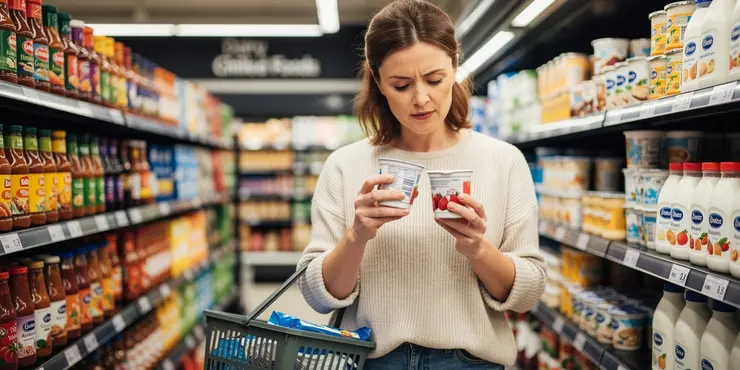
Flavoured yoghurts and milk drinks are popular yet sneaky sources of added sugars. Fruits or honey in yoghurt can mask the sugar content, making it seem healthier than it is.
Even products marketed as low-fat may contain added sugars to compensate for taste, contributing to your daily sugar intake unknowingly.
Breakfast Cereals and Snacks
Breakfast cereals often have hidden sugars, even those deemed high-fibre or wholegrain. Sugars enhance flavour and appeal, particularly to children.
Snack bars marketed for health can be misleading too. Granola bars, cereal bars, and protein bars might provide energy but can also pack a sugar punch.
Beverages: A Major Source
Sugar-laden drinks contribute significantly to hidden sugar intake. Soft drinks, energy drinks, and flavoured waters are the obvious culprits.
However, fruit juices and smoothies can also be deceptive. While natural, they often contain concentrated sugars, matching the levels in unhealthy beverages.
Conclusion: Vigilance is Key
Understanding where hidden sugars come from helps make informed dietary choices. Reading labels and being aware of ingredients can significantly reduce sugar intake.
Small changes in choosing whole foods and preparing meals at home can aid in controlling sugar consumption, promoting better health overall.
Frequently Asked Questions
Fruit juices, flavored coffee drinks, and energy drinks often contain added sugars that aren't immediately obvious.
Products like pasta sauces, ketchup, and salad dressings often have sugars added to enhance flavor.
Yes, flavored yogurts and milk drinks can have significant amounts of added sugars.
Yes, many packaged breads, especially whole grain and multigrain types, have added sugars to improve taste and texture.
Canned fruits often contain sugary syrups, and even some canned vegetables might have sugar added for flavor.
Yes, snacks like crackers, chips, and certain nuts can have sugars added for flavor or as a preservative.
Many breakfast cereals, even those labeled as healthy, contain sugar as one of the main ingredients.
Barbecue sauce, ketchup, and even some soy sauces can contain surprising amounts of sugar.
Yes, many of these bars contain sugars disguised as honey, brown rice syrup, or agave nectar.
Processed meats like sausages, ham, and some deli meats may contain sugars as part of the curing process.
Frozen pizzas and ready meals can contain sugars added for flavor retention during freezing.
To retain taste, many low-fat products compensate by adding sugars, which acts as a flavor enhancer.
Sugars are often listed under various names like fructose, glucose syrup, and maltose, making them less recognizable.
Yes, many creamy or vinaigrette-style dressings, as well as dips, are sweetened with sugars.
Many canned soups use sugar to enhance flavor, even those that are not traditionally sweet.
Pre-packaged salads often include sugary dressings or dried fruit with added sugars.
Yes, many meal replacements use sugar as a primary component to improve taste and palatability.
Many nut butters, especially peanut butters, have added sugars unless labeled as 'natural' or 'pure'.
Look for ingredients ending in 'ose' (like glucose) or words like syrup and nectar.
Yes, flavored instant oats often have added sugars for taste, unlike plain oatmeal.

Ergsy Search Results
This website offers general information and is not a substitute for professional advice.
Always seek guidance from qualified professionals.
If you have any medical concerns or need urgent help, contact a healthcare professional or emergency services immediately.
Some of this content was generated with AI assistance. We've done our best to keep it accurate, helpful, and human-friendly.
- Ergsy carefully checks the information in the videos we provide here.
- Videos shown by Youtube after a video has completed, have NOT been reviewed by ERGSY.
- To view, click the arrow in centre of video.
- Most of the videos you find here will have subtitles and/or closed captions available.
- You may need to turn these on, and choose your preferred language.
- Go to the video you'd like to watch.
- If closed captions (CC) are available, settings will be visible on the bottom right of the video player.
- To turn on Captions, click settings.
- To turn off Captions, click settings again.