
Get Answers
Understanding Overpayments to Your Council
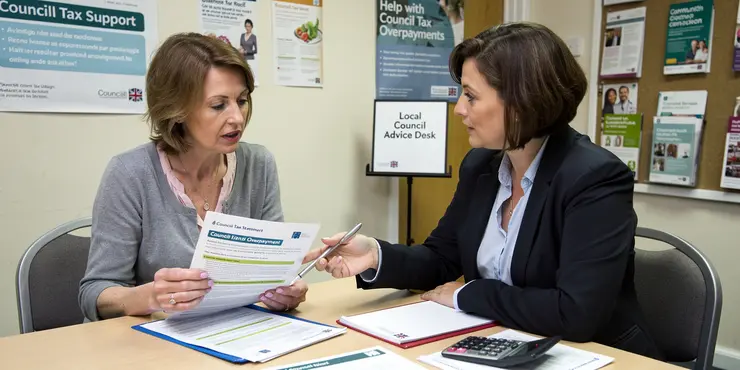
Overpayments to local councils in the UK can occur for several reasons, including adjustments in council tax bands, changes in circumstances, or simply human error. When an overpayment occurs, many residents want to know if they will receive a refund automatically or if any action is required on their part.
Reasons for Council Tax Overpayment
An overpayment might occur if there has been an error in your council tax calculation or if you have moved out of the property but continued to make payments. Additionally, changes in your personal circumstances, such as becoming eligible for a discount or exemption, can also result in having paid more than you owe.
The Council's Policy on Refunds
In the UK, local councils handle overpayments based on their specific policies and procedures. Generally, councils will issue a refund if you have overpaid; however, this process might vary. Some councils automatically issue refund checks, while others may require you to contact them to initiate a refund. It's essential to check with your local council for their specific process regarding overpayment refunds.
Steps to Ensure You Receive a Refund
To ensure you receive a refund for any council tax overpayment, you should first check your council tax account or statement to confirm the overpayment. If you notice an overpayment, contact your local council's tax department promptly to explain the situation. Provide any necessary details they require to process your refund. It might also help to inquire about the expected timeframe for receiving your refund.
Options If a Refund Is Not Issued
In some cases, councils may apply your overpayment towards future council tax bills rather than issuing a refund. If you prefer a refund, you may need to explicitly request this option. Ensure your contact details are up-to-date with your council to prevent any issues in receiving correspondence or checks.
Conclusion
Overpaying your council tax is not uncommon, and councils usually have procedures in place to handle such situations. Whether you receive a refund automatically or need to request it depends on your local council's policies. Always remain proactive in checking your council tax account and contact your council if you believe you are entitled to a refund. Keeping informed and maintaining open communication with your local council can streamline the process and help ensure you do not miss out on any funds owed to you.
Understanding Overpayments to Your Council
Sometimes, people pay more money to the local council than they should. This can happen for different reasons, like mistakes in how much tax they owe or if their situation changes. If you pay too much, you might wonder if you'll get the extra money back automatically or if you need to do something to get it.
Why You Might Pay Too Much Council Tax
You might pay too much if there's a mistake in calculating your council tax. This can also happen if you move out of a home but keep paying. Other changes in your life, like getting a discount or exemption, can also mean you've paid too much.
How Councils Give Money Back
In the UK, each local council has its own rules about giving back money if you've paid too much. Most will give you a refund, but how they do it can be different. Some councils send money back automatically. Others might need you to ask for it. Check with your local council to see what their rules are.
How to Make Sure You Get Your Money Back
To get your money back, first look at your council tax account or statement to see if you've paid too much. If you have, contact your local council's tax department and tell them. Give them any details they need to send your money back. Ask them how long it will take to get your refund.
What to Do If You Don’t Get a Refund
Sometimes the council might use the extra money to pay for future tax bills instead of giving it back. If you want the money back, you might need to ask for it. Make sure your contact details are correct with the council to avoid any problems with getting your money or messages from them.
Conclusion
Paying too much council tax can happen, and councils have ways to deal with it. Whether you get a refund automatically or have to ask depends on your local council's rules. Always check your council tax account and contact your council if you think you should get money back. Staying informed and keeping in touch with your council can help you get any money that is owed to you.
Frequently Asked Questions
Contact your local council to inform them of the overpayment and request a refund.
The time frame can vary by council, but it typically takes 2 to 4 weeks to process a refund.
Many councils will issue a refund check, but some may offer a direct bank transfer as an option.
Yes, most councils will allow you to apply the overpaid amount to future bills if you prefer.
Councils usually have records of payments, but having your own documentation can help settle discrepancies more quickly.
Deadlines can vary, but it is best to contact your council as soon as possible after noticing the overpayment.
Typically, you will need your council tax account number and proof of payment or overpayment.
Some councils offer direct bank transfers as a method for refunding overpayments, so check with your local council.
The council may eventually send you a refund check or apply it to your future bills, but it depends on their policy.
Some councils will notify residents of overpayments, but it's best to monitor your payments and statements proactively.
Policies can vary across different councils, so it's important to check the specific procedures with your local council.
Most councils allow you to inquire about the status of a refund request either online or by phone.
Contact your council to follow up on the status of your refund if it hasn't been received within the expected period.
You may be able to specify your preferred refund method, such as a check or bank transfer, depending on council policies.
You can appeal the decision or provide additional evidence to support your claim of overpayment.
Councils typically do not charge fees for refunding overpayments, but verify with your local council.
Ensure your payments are accurate by reviewing your billing statements and using direct debit where possible.
It's important to report this to your council, as keeping the funds could lead to future billing issues.
Council tax refunds generally do not have tax implications, but consult a tax advisor for personal circumstances.
This may be possible if you provide written consent and instructions to your council, but check their specific policies.
Get in touch with your local council. Tell them you paid too much and ask for your money back.
The time it takes to get a refund can be different in each area. But usually, it takes about 2 to 4 weeks.
Most councils will give you your money back with a check. Some might let you get the money straight into your bank account instead.
Yes, most councils will let you use extra money you paid to lower your future bills if you want.
Councils keep track of payments. But if you keep your own payment records too, it can help you fix any mistakes faster.
Deadlines can be different. It's best to talk to your council right away if you see you got paid too much.
You will usually need to have your council tax account number. You should also have proof that you paid too much or paid already.
Some councils can give back money if you paid too much. They can put the money straight into your bank. You should ask your local council to find out if they do this.
The council might give you money back or use it to lower your next bills. How they do this depends on their rules.
Some councils will tell you if you have paid too much money. But it is a good idea to check your own payments and letters to be sure.
Rules can be different in each area. It's good to see what your local council says you should do.
Most councils let you ask about your refund request. You can do this online or by phone.
If you don't get your refund on time, ask your council for help. They can tell you what is happening.
You might choose how you want to get your refund. It could be a check or a bank transfer. This depends on what the council says.
You can ask for another look at the decision. You can also show more proof to help your claim that too much money was taken.
Councils usually give your money back if you pay too much. They do not charge you extra. But it is good to check with your local council to be sure.
Make sure you're paying the right amount. Look at your bills carefully. It's a good idea to use direct debit if you can. This means the money comes out of your bank automatically, so you don't have to remember to pay.
Tell your council about this. If you keep the money, it could cause problems with your bills later.
If you get money back from the council on your council tax, you usually don't have to worry about tax rules. But it's a good idea to talk to a tax expert to make sure about your own situation.
You might be able to do this if you give your council a letter that says it's okay and tells them what to do. But first, ask them about their rules to make sure.

Ergsy Search Results
This website offers general information and is not a substitute for professional advice.
Always seek guidance from qualified professionals.
If you have any medical concerns or need urgent help, contact a healthcare professional or emergency services immediately.
Some of this content was generated with AI assistance. We've done our best to keep it accurate, helpful, and human-friendly.
- Ergsy carefully checks the information in the videos we provide here.
- Videos shown by Youtube after a video has completed, have NOT been reviewed by ERGSY.
- To view, click the arrow in centre of video.
- Most of the videos you find here will have subtitles and/or closed captions available.
- You may need to turn these on, and choose your preferred language.
- Go to the video you'd like to watch.
- If closed captions (CC) are available, settings will be visible on the bottom right of the video player.
- To turn on Captions, click settings.
- To turn off Captions, click settings again.