
Get Answers
How a menopause specialist can help
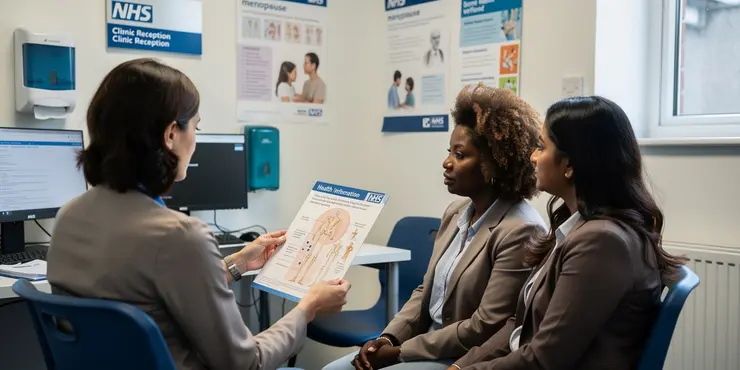
A menopause specialist can play an important role in looking after your wider health, not just your symptoms. They understand how the menopause affects the whole body, including your bones and heart.
Many women in the UK first seek help for hot flushes, sleep problems, or mood changes. A specialist can also assess your longer-term health risks and help you make a plan for the years after menopause.
Bone health and the menopause
Oestrogen helps protect bones, so when levels drop during the menopause, bone loss can speed up. This can increase the risk of osteopenia and osteoporosis, which make bones more fragile.
A menopause specialist may consider your personal risk factors, such as family history, low body weight, smoking, or early menopause. They can advise whether you need further checks, such as a bone density scan, and discuss steps to reduce bone loss.
They may also talk to you about calcium, vitamin D, exercise, and strength training. These are all important for keeping bones strong, alongside any treatment that may be suitable for you.
Heart health after menopause
The risk of heart disease rises after menopause for many women. Lower oestrogen levels can affect cholesterol, blood vessel health, and blood pressure over time.
A specialist can help you understand your cardiovascular risk and suggest ways to lower it. This may include checking blood pressure, cholesterol, weight, blood sugar, and lifestyle factors such as diet, exercise, smoking, and alcohol intake.
They can also explain how menopause symptoms and poor sleep may affect energy levels and motivation. With the right support, it is often easier to make changes that protect heart health in the long term.
Can HRT help?
Hormone replacement therapy, or HRT, may help protect bones for some women. It can reduce the rate of bone loss and lower the risk of fractures, especially if started around the time of menopause.
HRT is not suitable for everyone, so a menopause specialist can talk through the benefits and risks for your situation. They can also advise on alternatives if HRT is not appropriate.
For heart health, the benefits of HRT depend on factors such as age, timing, and your individual medical history. A specialist can help you decide whether it is a good option for you.
When to ask for specialist advice
You may want to see a menopause specialist if you have early menopause, a strong family history of osteoporosis or heart disease, or other health conditions. It is also worth seeking advice if your symptoms are affecting your daily life or you are worried about long-term risks.
In the UK, you can ask your GP about referral options. A specialist can help you build a more complete menopause plan that supports both your current symptoms and your future bone and heart health.
Frequently Asked Questions
Yes. A menopause specialist can assess your hormone-related risks and discuss ways to support bone and heart health during and after menopause.
They can review your fracture risk, recommend bone density testing when appropriate, and discuss treatment options, nutrition, exercise, and medications that may help protect bones.
They can evaluate cardiovascular risk factors, review symptoms and family history, and suggest lifestyle changes or referrals to help reduce heart disease risk.
Yes. Lower estrogen after menopause can contribute to faster bone loss, which can increase the risk of osteoporosis and fractures.
Yes. After menopause, changes in hormones can be associated with less favorable cholesterol levels, blood vessel changes, and increased cardiovascular risk.
In some women, hormone therapy can help reduce bone loss and lower fracture risk, but it is not right for everyone and should be individualized.
Hormone therapy is not used to prevent heart disease, but a specialist can explain whether it is appropriate based on your symptoms, age, and overall risk profile.
They may recommend a bone density scan, and they may also review vitamin D, calcium intake, and other factors that affect bone strength.
They may check blood pressure, cholesterol, blood sugar, weight, and other cardiovascular risk markers, and refer for further testing if needed.
Yes. They can suggest weight-bearing, resistance, and aerobic exercise routines that support both bone strength and cardiovascular fitness.
Yes. They often recommend adequate calcium, vitamin D, protein, fiber, and a heart-healthy eating pattern such as a Mediterranean-style diet.
Yes. A specialist can help tailor prevention strategies if you have a family history or other risk factors for bone loss or cardiovascular disease.
Yes. They can help monitor bone loss, review risk factors, and discuss steps to slow progression and reduce fracture risk.
Yes. They can factor those conditions into your menopause care and recommend coordination with your primary care clinician or cardiologist.
No. They usually work alongside your other clinicians to provide menopause-focused guidance while your primary care doctor or cardiologist manages ongoing conditions.
Yes. They can review your personal risks and benefits, including bone and heart considerations, to help determine whether it is appropriate.
A menopause specialist can discuss nonhormonal options, lifestyle changes, and other treatments to help protect your bones and overall health.
The timing depends on your age and risk factors, but a menopause specialist can help determine when bone density screening or follow-up is needed.
It depends on your health history and risk factors, but regular monitoring of blood pressure, lipids, weight, and blood sugar is often helpful.
Yes. Even with mild symptoms, a specialist can help assess long-term risks and create a plan to support bone and heart health during menopause.

Ergsy Search Results
This website offers general information and is not a substitute for professional advice.
Always seek guidance from qualified professionals.
If you have any medical concerns or need urgent help, contact a healthcare professional or emergency services immediately.
Some of this content was generated with AI assistance. We've done our best to keep it accurate, helpful, and human-friendly.
- Ergsy carefully checks the information in the videos we provide here.
- Videos shown by Youtube after a video has completed, have NOT been reviewed by ERGSY.
- To view, click the arrow in centre of video.
- Most of the videos you find here will have subtitles and/or closed captions available.
- You may need to turn these on, and choose your preferred language.
- Go to the video you'd like to watch.
- If closed captions (CC) are available, settings will be visible on the bottom right of the video player.
- To turn on Captions, click settings.
- To turn off Captions, click settings again.