
Get Answers
What cancer screening is
Cancer screening is a way of checking people who do not have symptoms for early signs of cancer or changes that could become cancer later. In the UK, screening is offered for some cancers to people in specific age groups or with certain risk factors.
The main goal is to find problems early, when treatment is often simpler and more effective. Screening can also find cancers before they spread, which can improve outcomes for many people.
Why early detection matters
Cancer is usually easier to treat when it is found at an early stage. At that point, it may be smaller and less likely to have spread to other parts of the body.
Finding cancer early can give people more treatment options. It may also reduce the need for more intensive treatment later on, such as major surgery, chemotherapy, or radiotherapy.
Screening can save lives
Some screening programmes have been shown to reduce the number of deaths from certain cancers. This is one of the biggest reasons why screening is so important.
By catching cancer sooner, screening can help people get care before the disease causes serious harm. For many families, this can make a real difference to long-term health and survival.
It can find problems before symptoms appear
Many cancers do not cause obvious symptoms at first. By the time symptoms appear, the cancer may already be more advanced.
Screening helps detect changes before they cause problems. It can also pick up abnormal cells or pre-cancerous changes, which may be treated before cancer develops.
Screening helps with prevention as well as detection
Some screening tests do more than find cancer early. They can identify changes that increase the risk of cancer in the future.
For example, bowel screening can find and remove polyps before they turn into cancer. This means screening can sometimes prevent cancer from developing at all.
Why it matters in the UK
The NHS offers screening programmes for bowel, breast, cervical, and certain other cancers. These programmes are designed to reach people who are most likely to benefit.
Taking part when invited is an important step in looking after your health. Screening is free on the NHS, and it gives people a chance to act early, before a problem becomes more serious.
What to remember
Cancer screening is not perfect, and it does not detect every cancer. But it is an important tool for finding some cancers early and reducing the impact of disease.
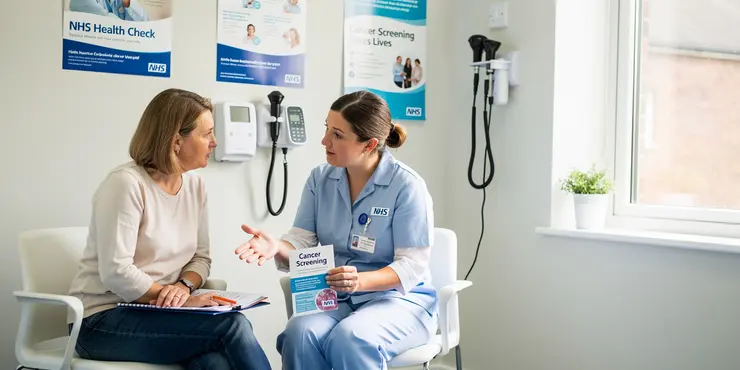
If you receive a screening invitation, it is worth reading the information carefully and speaking to your GP if you have questions. Taking part could help protect your health now and in the future.
Frequently Asked Questions
Cancer screening importance refers to the value of testing for cancer before symptoms appear. It matters because early detection can make treatment easier, improve outcomes, and sometimes prevent cancer by finding and removing precancerous changes.
Adults should consider cancer screening importance as part of preventive care, especially if they fall into age groups or risk categories recommended by medical guidelines. A healthcare professional can help decide which screenings are appropriate based on age, sex, family history, and other risk factors.
Cancer screening importance lies in its ability to find cancer at an earlier stage, often before signs or symptoms develop. Earlier detection can lead to more effective treatment options and a better chance of successful outcomes.
Cancer screening importance is especially high for people with a family history of cancer because inherited factors can increase risk. In those cases, screening may start earlier or occur more often than for average-risk individuals.
Common tests that reflect cancer screening importance include mammograms, colonoscopy, Pap tests, HPV tests, low-dose CT scans for certain high-risk people, and skin exams. The right test depends on the cancer type and the person's risk profile.
Cancer screening importance should be reviewed regularly, often during annual checkups or when health circumstances change. A doctor can update screening plans based on age, medical history, and guideline changes.
The benefits of cancer screening importance include earlier diagnosis, less aggressive treatment in some cases, better survival rates for certain cancers, and the possibility of preventing cancer by removing precancerous lesions.
Yes, cancer screening importance can reduce cancer-related deaths for some cancers by finding disease earlier when it is more treatable. The benefit depends on the cancer type, the screening test, and how consistently the test is used.
Cancer screening importance comes with some limitations, including false positives, false negatives, anxiety, and the possibility of follow-up tests or procedures. A clinician can help weigh these risks against the potential benefits.
Cancer screening importance focuses on testing people who do not have symptoms, while diagnostic testing is done to evaluate symptoms or abnormal findings. Screening aims to catch cancer early; diagnosis confirms whether cancer is present.
Cancer screening importance is relevant for healthy people because many cancers do not cause symptoms until later stages. Screening can identify hidden disease or precancerous changes before they become harder to treat.
Cancer screening importance varies by age and sex because different cancers become more common at different life stages and in different populations. Guidelines often recommend specific screenings at certain ages, such as breast, cervical, prostate, or colorectal screening.
Cancer screening importance plays a major role in preventing advanced cancer by detecting abnormalities before they spread. Some screenings can also prevent cancer by finding and removing precancerous growths.
Cancer screening importance can lead to treatment being started at an earlier stage, when more options may be available. Early-stage cancers may sometimes be treated with less extensive surgery, fewer medications, or simpler treatment plans.
To prepare for cancer screening importance appointments, a person should follow the specific instructions for the test, such as fasting, avoiding certain medications, or scheduling at a certain time in the menstrual cycle if needed. They should also share relevant medical history with the healthcare team.
Cancer screening importance supports higher-risk people by increasing the chance of finding cancer earlier and tailoring tests to their specific risks. This may include starting screening sooner, screening more frequently, or using additional tests.
Cancer screening importance is linked to public health because it can lower the burden of cancer in communities through earlier detection and prevention. Wide access to screening can improve population health outcomes and reduce healthcare costs associated with late-stage disease.
After an abnormal cancer screening importance result, a doctor usually recommends follow-up testing to determine whether cancer is actually present. An abnormal screening result does not always mean cancer, but it does mean more evaluation is needed.
People can talk to a doctor about cancer screening importance by asking which screenings they need, when they should start, how often they should be done, and whether their personal or family history changes the plan. Shared decision-making helps choose the most appropriate approach.
Someone should stay updated on cancer screening importance guidelines because recommendations can change as new research becomes available. Updated guidance helps people get the right tests at the right time based on the latest evidence.

Ergsy Search Results
This website offers general information and is not a substitute for professional advice.
Always seek guidance from qualified professionals.
If you have any medical concerns or need urgent help, contact a healthcare professional or emergency services immediately.
Some of this content was generated with AI assistance. We've done our best to keep it accurate, helpful, and human-friendly.
- Ergsy carefully checks the information in the videos we provide here.
- Videos shown by Youtube after a video has completed, have NOT been reviewed by ERGSY.
- To view, click the arrow in centre of video.
- Most of the videos you find here will have subtitles and/or closed captions available.
- You may need to turn these on, and choose your preferred language.
- Go to the video you'd like to watch.
- If closed captions (CC) are available, settings will be visible on the bottom right of the video player.
- To turn on Captions, click settings.
- To turn off Captions, click settings again.