
Get Answers
Why maintenance matters for solar panels
Solar panels are built to last, but they do not stay at peak performance on their own. Over time, dirt, moss, bird droppings and general weather exposure can reduce how much sunlight reaches the cells.
In the UK, where rain, wind and changing seasons are common, regular maintenance helps panels keep working efficiently. Small issues can build up slowly, so checking panels early can prevent a noticeable drop in energy output later.
Protecting energy generation over time
The main reason maintenance is important is simple: it helps protect the amount of electricity your system produces. Even a thin layer of grime can block sunlight and reduce efficiency, especially in winter when daylight hours are already shorter.
If panels are not cleaned or inspected regularly, generation can fall without the homeowner noticing. This means higher electricity bills and a longer payback period for the original investment.
Spotting problems before they become expensive
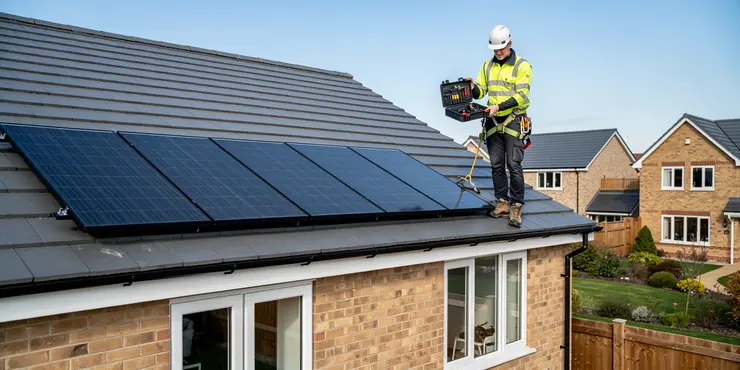
Maintenance is not just about cleaning. It also gives an opportunity to spot cracked glass, loose wiring, damaged mounting equipment or inverter faults before they turn into more serious problems.
Early detection is especially valuable for UK homes, where stormy weather and strong winds can affect roof-mounted systems. A minor repair now is usually far cheaper than replacing damaged equipment later.
Extending the lifespan of the system
Solar panels are a long-term investment, and proper care helps them last as long as possible. When panels, cables and supporting parts are kept in good condition, the system is less likely to suffer unnecessary wear.
This matters because a well-maintained system can continue delivering reliable performance for decades. Without attention, small faults can place extra strain on the whole setup and shorten its useful life.
Keeping safety and warranties in mind
Maintenance also supports safety. Loose components, water ingress or electrical issues can create risks if they are ignored, especially on roof installations.
In some cases, manufacturers and installers expect basic upkeep to be carried out in order to keep warranties valid. Following maintenance guidance helps protect both the system and the homeowner’s investment.
A practical approach for UK homeowners
For most households, maintenance does not need to be complicated. Occasional visual checks, professional inspections and sensible cleaning are often enough to keep a system performing well.
By staying on top of maintenance requirements, UK homeowners can improve efficiency, reduce repair costs and get more value from their solar panels over the long term.
Frequently Asked Questions
Basic solar panel maintenance requirements for residential systems usually include periodic visual inspections, cleaning when dirt or debris reduces output, checking for shading from new growth or objects, confirming inverter performance, and arranging professional inspections if problems appear.
Solar panel maintenance requirements are typically performed a few times per year for visual checks, with cleaning done as needed based on local dust, pollen, bird activity, and weather conditions. Professional inspections are often recommended every one to three years.
Cleaning included in solar panel maintenance requirements usually involves removing dust, leaves, bird droppings, pollen, and other buildup using soft water, a non-abrasive tool, and methods approved by the manufacturer to avoid scratching the panels.
Yes, solar panel maintenance requirements commonly include inspecting wiring, connectors, junction boxes, and related electrical components for signs of wear, corrosion, loose connections, or damage, preferably by a qualified technician.
Yes, solar panel maintenance requirements vary by climate because dusty, coastal, snowy, wooded, or storm-prone areas may require more frequent cleaning, inspection, and debris removal than mild, low-pollution locations.
Safety precautions in solar panel maintenance requirements include turning off systems when appropriate, avoiding damaged wiring, using proper fall protection on roofs, not walking on panels, and hiring trained professionals for electrical or elevated work.
Yes, professional inspections are often part of solar panel maintenance requirements because technicians can test electrical output, identify hidden damage, verify mounting integrity, and detect issues that are not obvious during routine homeowner checks.
Yes, solar panel maintenance requirements often include monitoring system performance through inverter displays or monitoring apps to catch drops in production that may indicate dirt, shading, wiring faults, or equipment problems.
Signs that solar panel maintenance requirements are not being met include reduced energy output, visible dirt buildup, cracked glass, loose mounts, rust, warning lights on the inverter, or unexpected shutdowns.
Yes, solar panel maintenance requirements can differ for rooftop and ground-mounted systems because rooftop systems may need more safety precautions and access planning, while ground-mounted systems may be easier to clean but still require inspections for tilt, stability, and debris.
In some regions, solar panel maintenance requirements include careful snow and ice management when accumulation significantly blocks sunlight, but removal should follow manufacturer guidance to avoid damaging the panels or roof.
Homeowners can often perform simple solar panel maintenance requirements such as visual checks and basic cleaning, but electrical inspections, repairs, and roof-level work should usually be handled by qualified professionals.
Yes, following solar panel maintenance requirements can help protect warranties because manufacturers may require proper cleaning, routine inspection, and approved service methods to keep coverage valid.
Tools used for solar panel maintenance requirements may include soft brushes, microfiber cloths, hoses with gentle water flow, monitoring software, safety harnesses, and diagnostic tools used by professionals for testing performance and electrical integrity.
Tree shadows are important in solar panel maintenance requirements because new shading from growing branches can reduce energy production, so trimming vegetation and checking for seasonal shading changes are common maintenance tasks.
Yes, solar panel maintenance requirements usually include checking mounting hardware for looseness, corrosion, water intrusion, or structural movement to ensure the array stays secure and properly aligned.
If solar panel maintenance requirements are ignored, the system may lose efficiency, develop hidden damage, suffer electrical faults, experience shorter equipment life, and potentially face safety or warranty issues.
Yes, seasonal solar panel maintenance requirements often include extra cleaning after pollen season, leaf fall, storms, or snow events, along with inspection for weather-related damage and production changes throughout the year.
Yes, solar panel maintenance requirements often include inverter maintenance such as checking status indicators, reviewing alerts, ensuring ventilation, and confirming that the inverter is operating within normal performance ranges.
Solar panel maintenance requirements improve energy production by keeping panels clean, detecting faults early, preventing shading losses, and ensuring that electrical and mechanical components operate efficiently over time.

Ergsy Search Results
This website offers general information and is not a substitute for professional advice.
Always seek guidance from qualified professionals.
If you have any medical concerns or need urgent help, contact a healthcare professional or emergency services immediately.
Some of this content was generated with AI assistance. We've done our best to keep it accurate, helpful, and human-friendly.
- Ergsy carefully checks the information in the videos we provide here.
- Videos shown by Youtube after a video has completed, have NOT been reviewed by ERGSY.
- To view, click the arrow in centre of video.
- Most of the videos you find here will have subtitles and/or closed captions available.
- You may need to turn these on, and choose your preferred language.
- Go to the video you'd like to watch.
- If closed captions (CC) are available, settings will be visible on the bottom right of the video player.
- To turn on Captions, click settings.
- To turn off Captions, click settings again.